The largest Native nation in the United States and the founders of Southwestern silversmithing — bold silver and turquoise from Diné Bikéyah.
Diné Bikéyah · the Four Corners, American SouthwestThe Navajo — Diné, "The People," in their own language — are the most populous Native nation in the United States and steward the largest reservation in the country. Their ancestral homeland, Dinétah, lies in the canyon country of northwestern New Mexico, and their presence across the Four Corners reaches back centuries before European contact, rooted in a worldview that prizes hózhó: harmony, balance, and beauty.
Navajo silversmithing began in the mid-nineteenth century. Atsidí Sání ("Old Smith") is remembered as the first Diné silversmith, learning metalwork from Mexican plateros around the 1850s and teaching the craft to others after the Diné returned from their forced internment at Bosque Redondo in 1868. The earliest work was hammered from ingots and re-melted coin silver — Mexican pesos and American dollars — into simple bracelets, buttons, and bridle ornaments. Turquoise was not set into Navajo silver until roughly the 1880s; once it was, the pairing became inseparable from the tradition.
The turn of the twentieth century transformed the craft. The arrival of the railroad and the Fred Harvey Company's tourism enterprise created a vast new market, and reservation trading posts — Hubbell Trading Post at Ganado, established in 1878, foremost among them — became the hubs where smiths exchanged work for goods and credit. Traders sometimes encouraged lighter, more affordable "tourist" pieces, but the heavy, substantial style made for Diné wear endured alongside it. The pawn system, in which jewelry served as collateral and stored family wealth, kept the finest work in Native hands.
By the early twentieth century, Diné smiths had refined the squash blossom necklace, the concho belt, the ketoh (bow guard), and the heavy cuff into enduring forms — pieces collected, worn, and handed down across generations as both adornment and security. That continuity remains unbroken today, with contemporary Navajo artists honored among the most accomplished metalsmiths anywhere.
Navajo jewelry is defined by presence. Where other traditions whisper, Diné silverwork speaks in bold, confident gestures: substantial-gauge silver, generous stones, and a sense of weight that reads as both luxury and permanence. The aesthetic favors a single magnificent turquoise cabochon in a hand-cut bezel as readily as a constellation of stones marching across a concho belt.
The most iconic forms are instantly legible. The squash blossom necklace pairs a crescent naja pendant — a motif carried across the Atlantic through Spanish and ultimately Moorish bridle ornaments — with round silver beads flanked by the "blossom" beads that give the necklace its name. The concho belt sets stamped and repoussé silver discs along a leather strap, the conchas first slipped directly onto the leather through cut slots and, later, attached with soldered copper loops. The ketoh, originally a leather archer's wrist guard, became a canvas for elaborate cast and set silver.
Beyond these signatures, the Navajo repertoire spans cuff bracelets — from simple triangle-wire bands to massive cluster and row bracelets set with dozens of stones — alongside rings, bolo ties, buckles, earrings, and the silver beads known as pearls. The vocabulary has remained recognizably Navajo for more than a century while continually renewing itself: heavy traditional revival pieces, refined contemporary work, and inlay and overlay experiments all coexist in Diné hands today.
Collectors learn to read a Navajo bracelet at a glance. The simplest is a band of triangle- or half-round wire; from there the vocabulary climbs through the stamped and repoussé cuff, the shadowbox bracelet, the row bracelet lined with matched cabochons, and the massive cluster bracelet that radiates dozens of stones around a single dramatic center. Concho belts span the same range, from the spare early "first-phase" conchas slid onto plain leather to elaborate stamped suites with stone-set conchos and a matching buckle, while squash blossom necklaces run from modest single-strand pieces to grand multi-strand statements crowned by an imposing naja. This breadth — from austere to opulent — is itself a Navajo signature: the tradition is large enough to hold both restraint and abundance, and a master smith commands the whole spectrum with equal authority.
For the Diné, silver and turquoise are far more than ornament. Turquoise — dootłʼizhii — is a protective and sacred stone woven through Navajo ceremony, song, and the creation narratives of the Holy People. It is associated with sky, water, and blessing; to wear it is to carry a piece of the living landscape and the harmony, or hózhó, that Diné life seeks to maintain.
Jewelry also functions as portable wealth and as a record of family. Pieces are pawned and redeemed, inherited, and worn at ceremonies, dances, weddings, and gatherings as expressions of status, identity, and belonging. A great deal of the finest Navajo work was never made for sale at all — it was made to be worn by the maker's own family, and "old pawn" that was never reclaimed is prized today precisely because it was made to Native standards rather than for the tourist trade.
The craft is typically learned within families and at the bench, passed from one generation to the next. To buy Navajo jewelry is to participate in a living economy that has sustained Diné households for a century and a half. Humiovi presents Navajo work with respect for this depth of meaning, honoring the artisans and the cultural continuity their work represents rather than reducing it to decoration.
Certain pieces carry particular weight within a family. A squash blossom necklace or a fine concho belt is often a household's signal heirloom, worn at ceremonies, weddings, and major life events and handed down deliberately from one generation to the next. To receive or inherit such a piece is to receive a measure of the family's history along with the silver. This is part of why the very best Navajo work has always been made first for the maker's own people, to Diné standards rather than to the expectations of the tourist trade — and why a piece made in that spirit, even when it eventually reaches the market, carries an integrity that mass production cannot imitate.
Navajo smiths command a deep technical repertoire refined over more than 150 years. Tufa casting — among the oldest Diné methods — carves a design into soft, fine-grained volcanic tufa stone, then pours molten silver into the cavity; the porous mold leaves a distinctive grained, organic surface that can never be exactly repeated, and the mold itself usually survives only a few pours. Cuttlebone casting works on the same principle at smaller scale.
Stampwork is the heart of the surface decoration. Smiths press hand-made steel dies into the silver to build geometric and naturalistic patterns; historically many cut and tempered their own stamps from files, chisels, and even railroad steel, so that a maker's particular repertoire of marks became a kind of signature. Repoussé and chasing raise designs by working the metal from behind and refining them from the front, while filing, drawing wire by hand, soldering, and cold-hammer forming assemble and shape the finished piece.
Stone setting is its own art. The smith saws and files each bezel to cradle a specific cabochon, often surrounding the stone with twisted wire, applied silver "raindrops," and stamped borders. In cluster and row work, dozens of individually cut stones are set in a unified composition. A final oxidation darkens the recessed areas so the bright, burnished high points stand in relief — the interplay of light and shadow that gives Navajo silver its unmistakable dimensionality and depth.
Gauge and finish separate serious work from souvenir. Heavier-gauge silver, hand-drawn wire, and crisp, deliberate stamping mark a piece built to be worn for generations, and the difference in heft and presence is felt immediately in the hand. A careful final oxidation and hand-burnishing give Navajo silver its characteristic deep glow, the bright surfaces seeming to float above shadowed recesses. Many contemporary Diné smiths have also absorbed inlay and overlay from their Pueblo neighbors and carried tufa casting toward sculptural, distinctly modern forms — bracelets and pendants that read as contemporary fine art while remaining unmistakably rooted in Navajo method. The tradition keeps expanding its technical vocabulary generation by generation without ever abandoning the foundations its earliest smiths laid down.
Authenticating Navajo jewelry begins with the hand. Genuine pieces show the evidence of fabrication — solder seams, slightly irregular hand stampwork, hand-cut bezels, and the satisfying heft of solid sterling or coin silver. Cast-resin "turquoise," dyed howlite, glued-in stones, and perfectly uniform machine stamping are the hallmarks of imitation. Natural, untreated turquoise has real depth, variation, and matrix; learning to recognize stabilized and reconstituted stone is part of collecting well.
Turquoise provenance is part of the story. American mines each yield a recognizable character — the deep blues of Bisbee and Sleeping Beauty, the spiderweb matrix of Number 8 and Royston, the green-blues of Kingman and Morenci, and the black-webbed white of so-called White Buffalo. A reputable seller can name the mine or tell you honestly when it is unknown.
Many Navajo artists hallmark their work with a personal stamp or initials, and reference guides and museums document a great many of these marks. The Indian Arts and Crafts Act of 1990 makes it illegal to market jewelry as Native-made unless it is the genuine work of an enrolled member of a recognized tribe — the legal backbone of authenticity in this field. Every piece at Humiovi is sourced as genuine, artist-made Native American work and accompanied by a Certificate of Authenticity, which is yours to keep. Ask about the maker, the silver, and the turquoise mine: a reputable gallery can always answer.
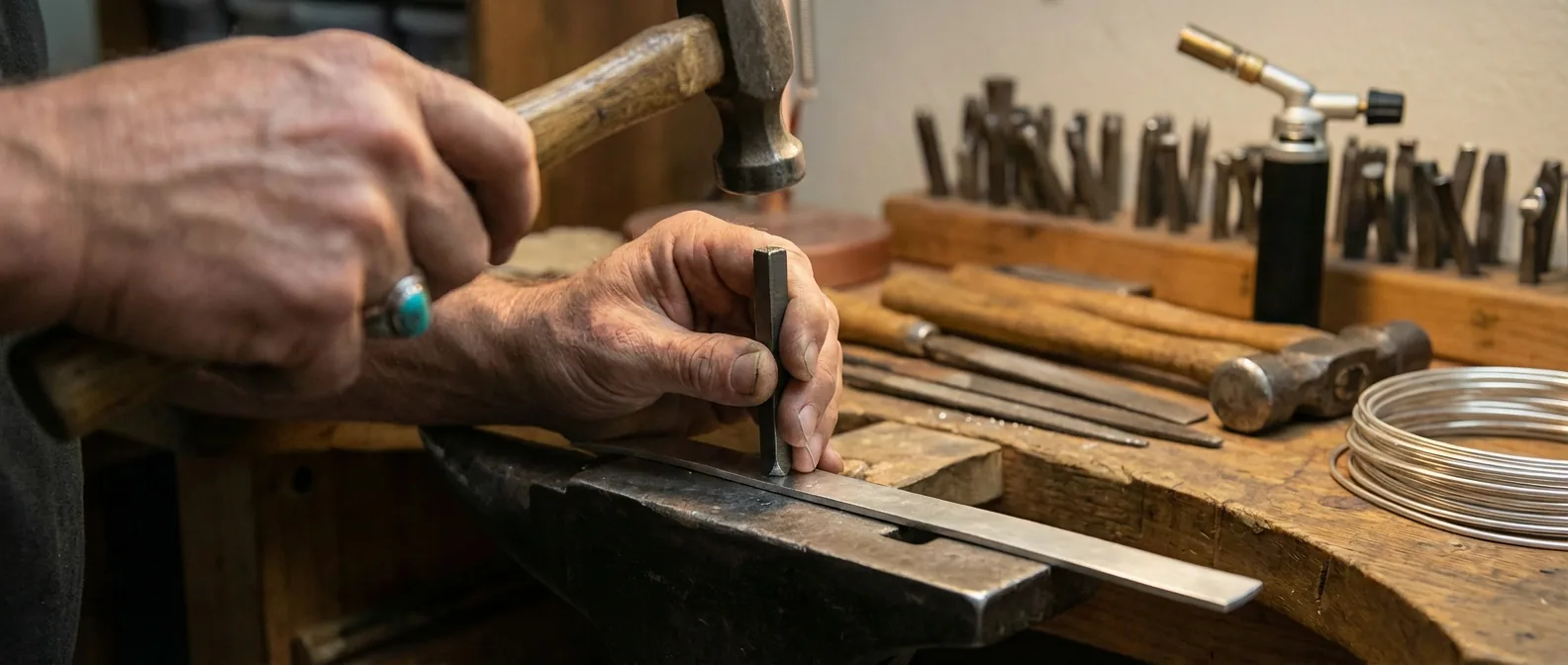
Navajo silversmithing traces its origins to the 1860s and 1870s, when Atsidi Sani and other early practitioners adapted metalworking techniques learned from Spanish and Mexican plateros into a distinctly Dine artistic tradition. Through stamp work, repousse, sand casting, and tufa casting, Navajo silversmiths created an iconic design vocabulary — the squash blossom necklace, the concho belt, the ketoh — that remains the foundation of Southwestern jewelry artistry.
Read Article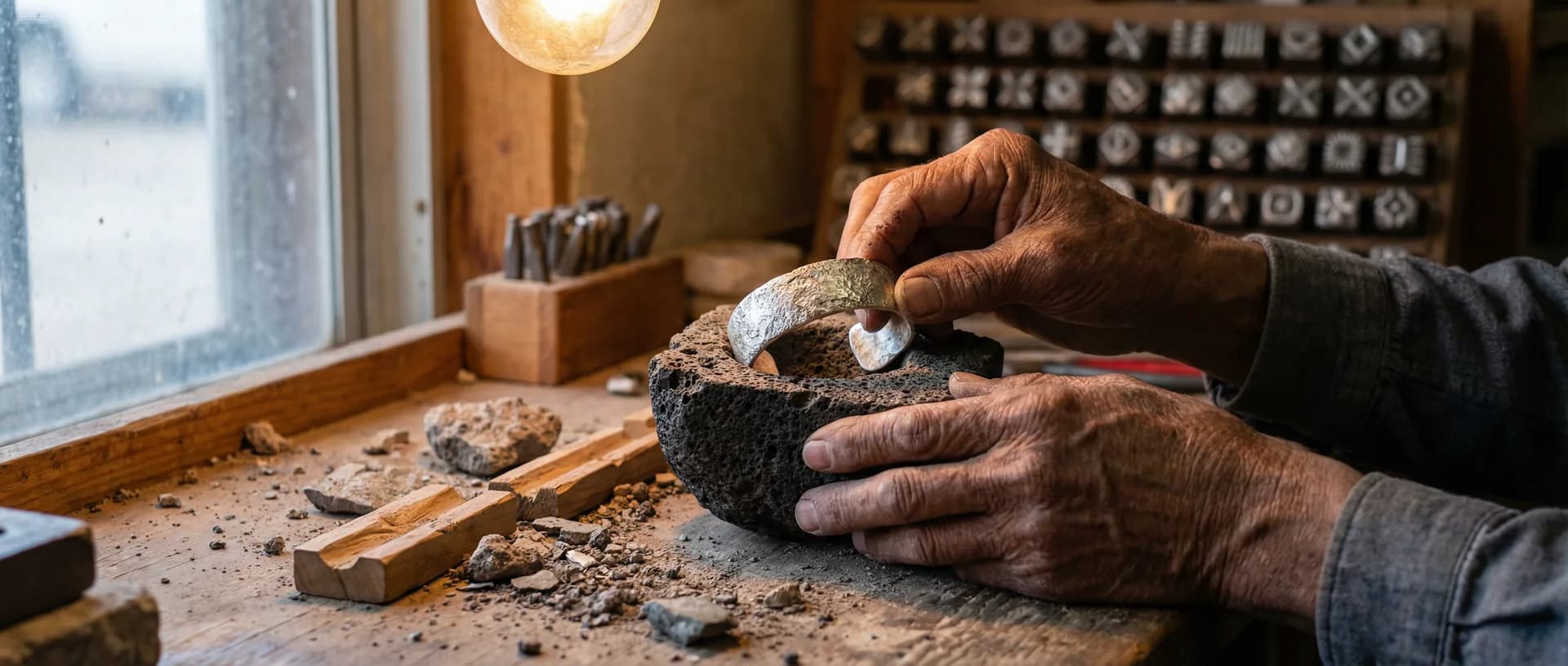
Thomas Begay has spent five decades refining the techniques first brought to the Diné by Atsidi Sani generations ago. His sand-cast and tufa-cast creations represent a living bridge between ancestral metalworking traditions and contemporary artistic expression, each piece carrying the weight of cultural memory forged in sterling silver.
Read Article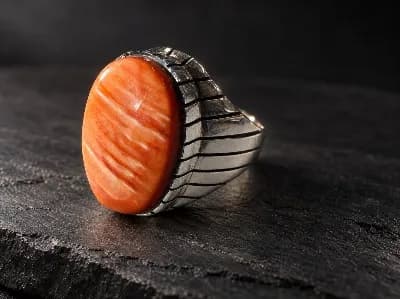
$345.00
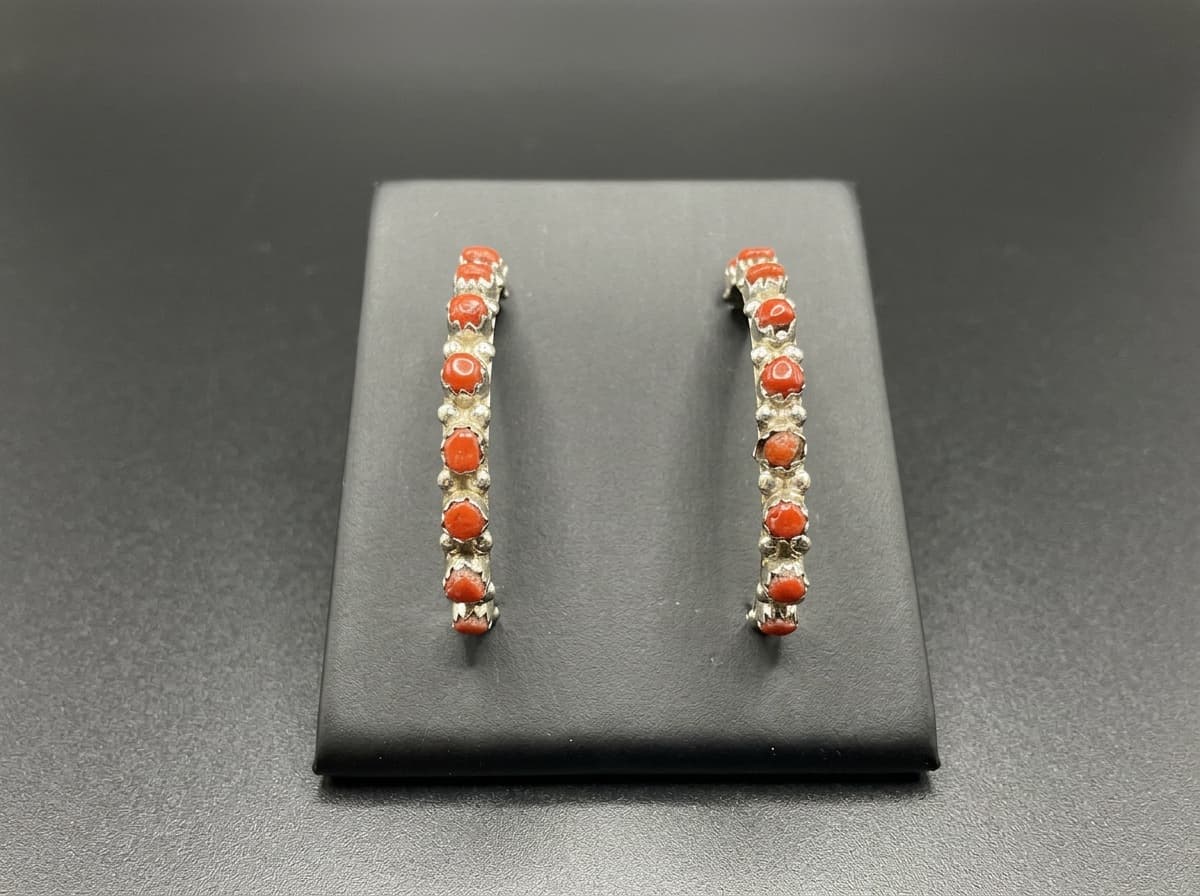
$195.00
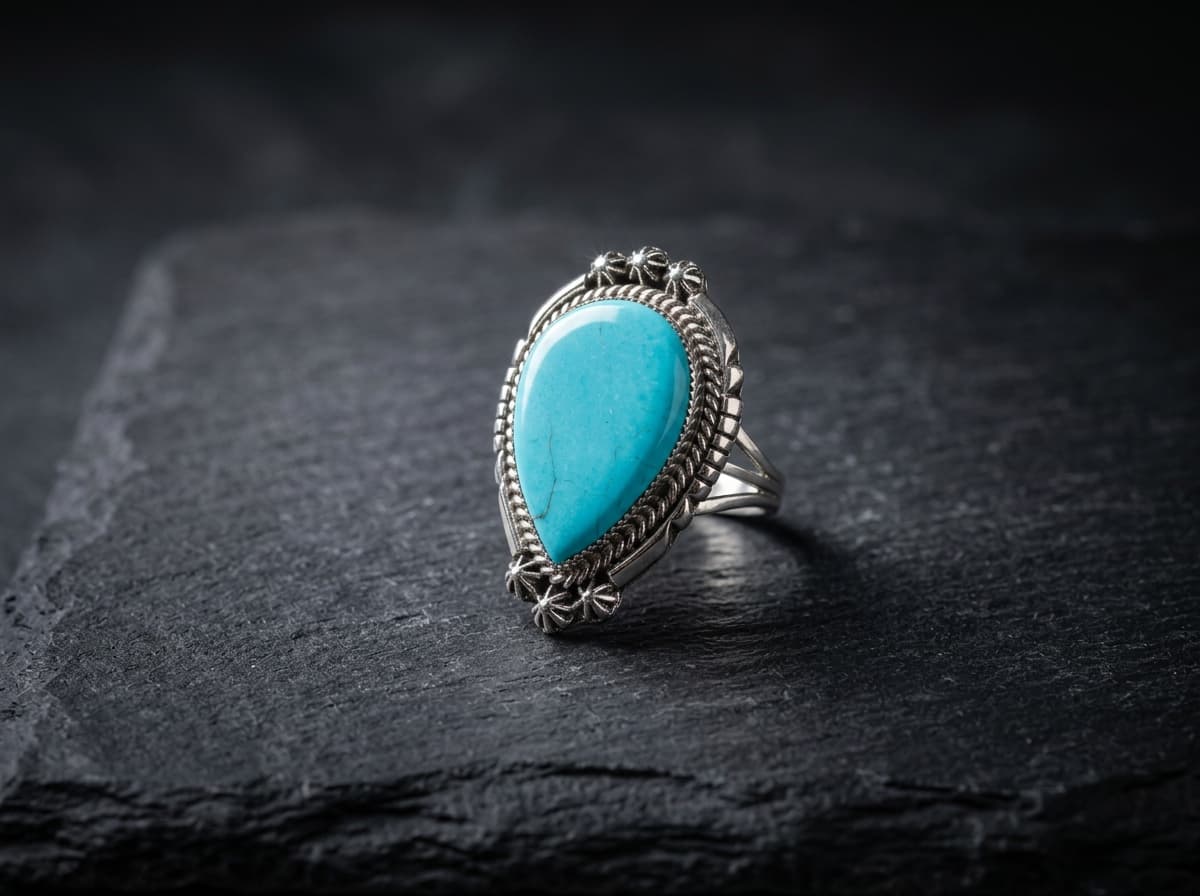
$395.00
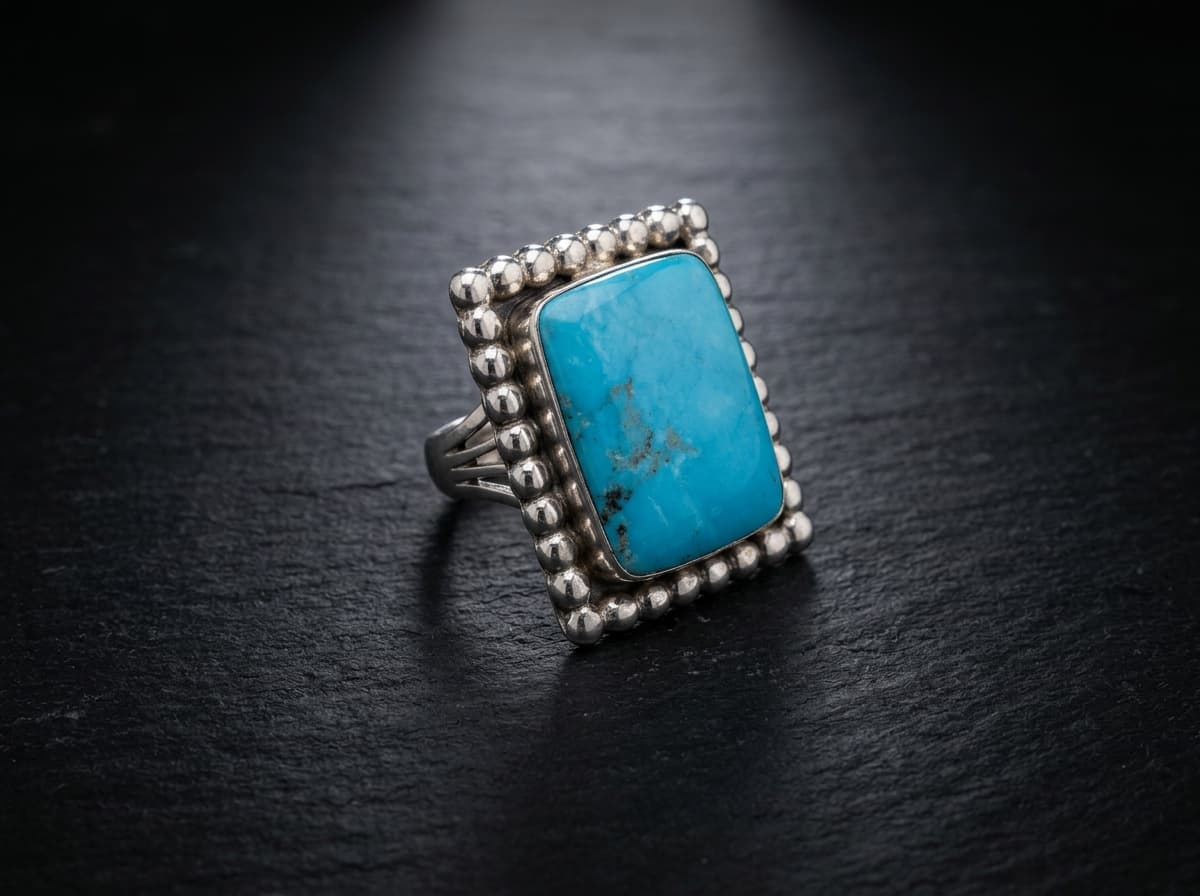
$450.00
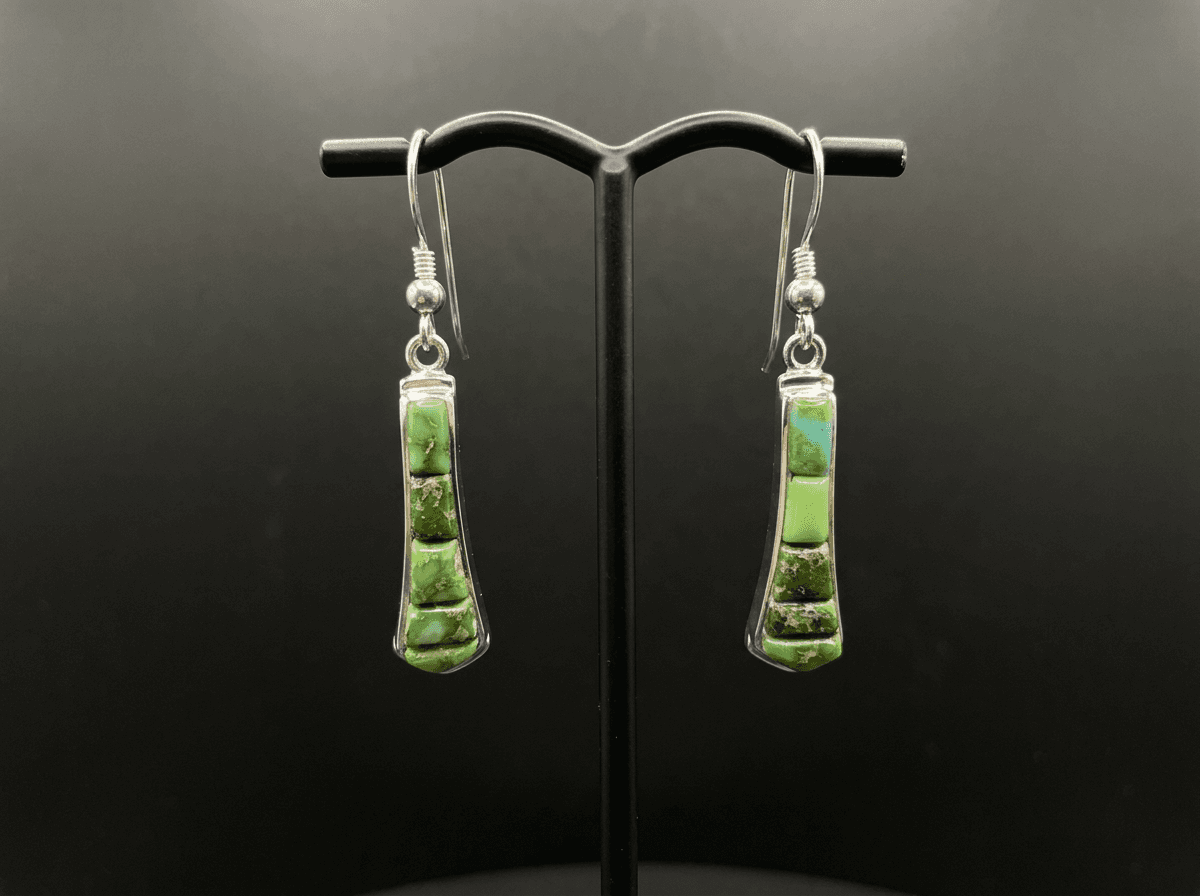
$300.00
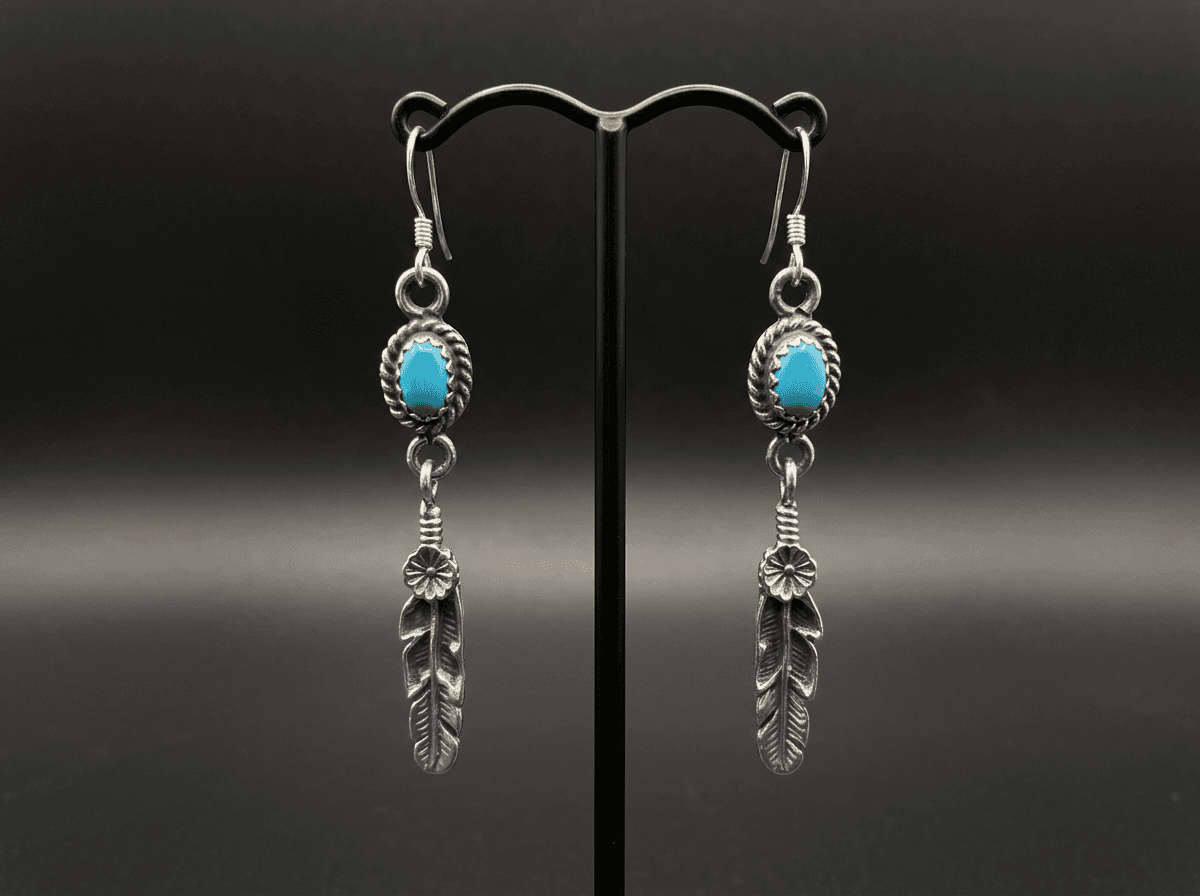
$180.00
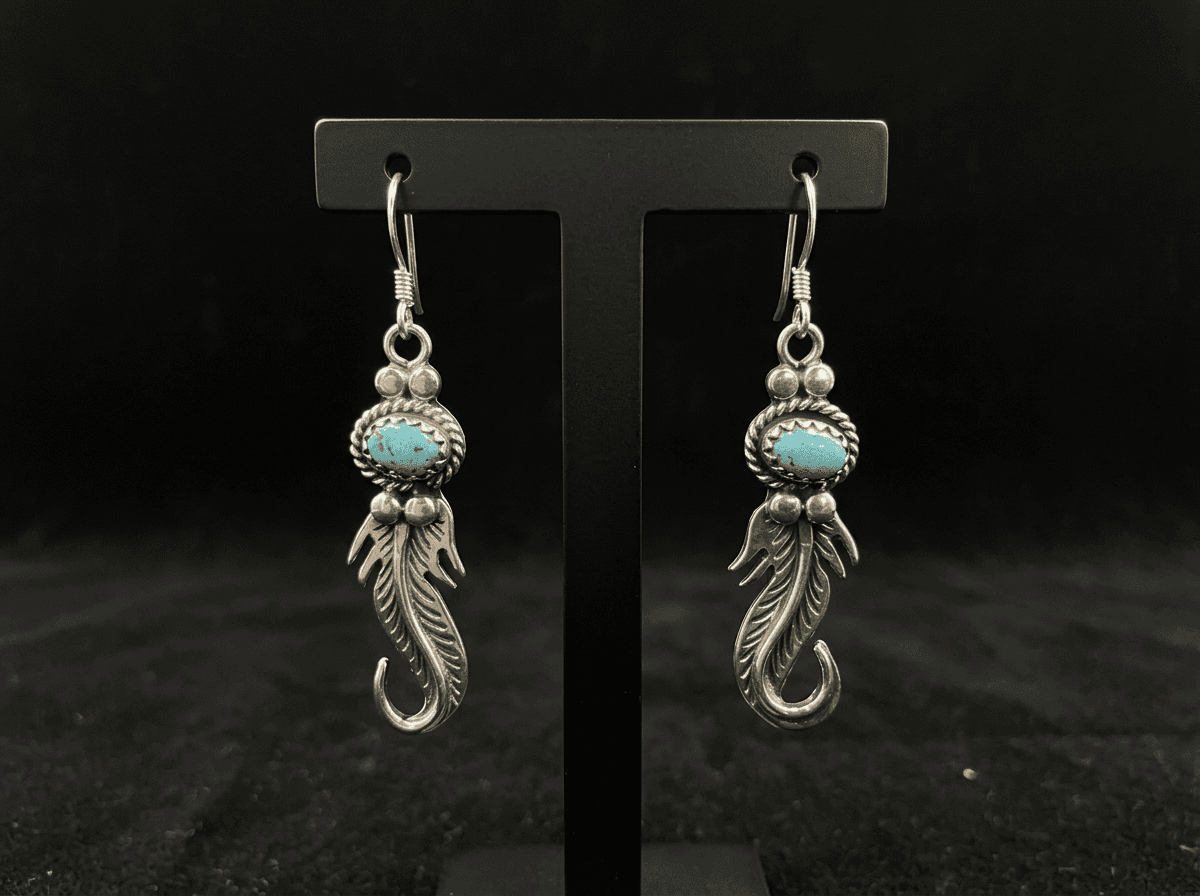
$139.00
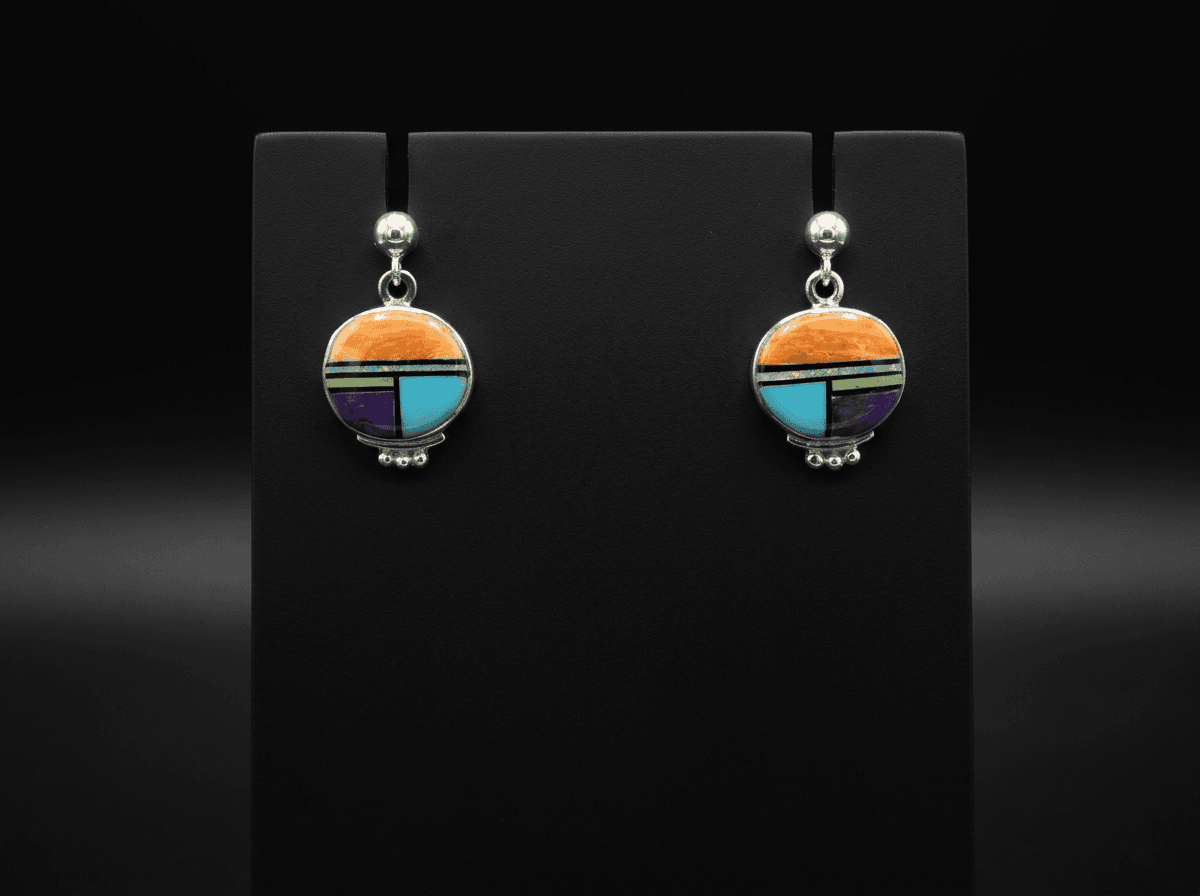
$295.00