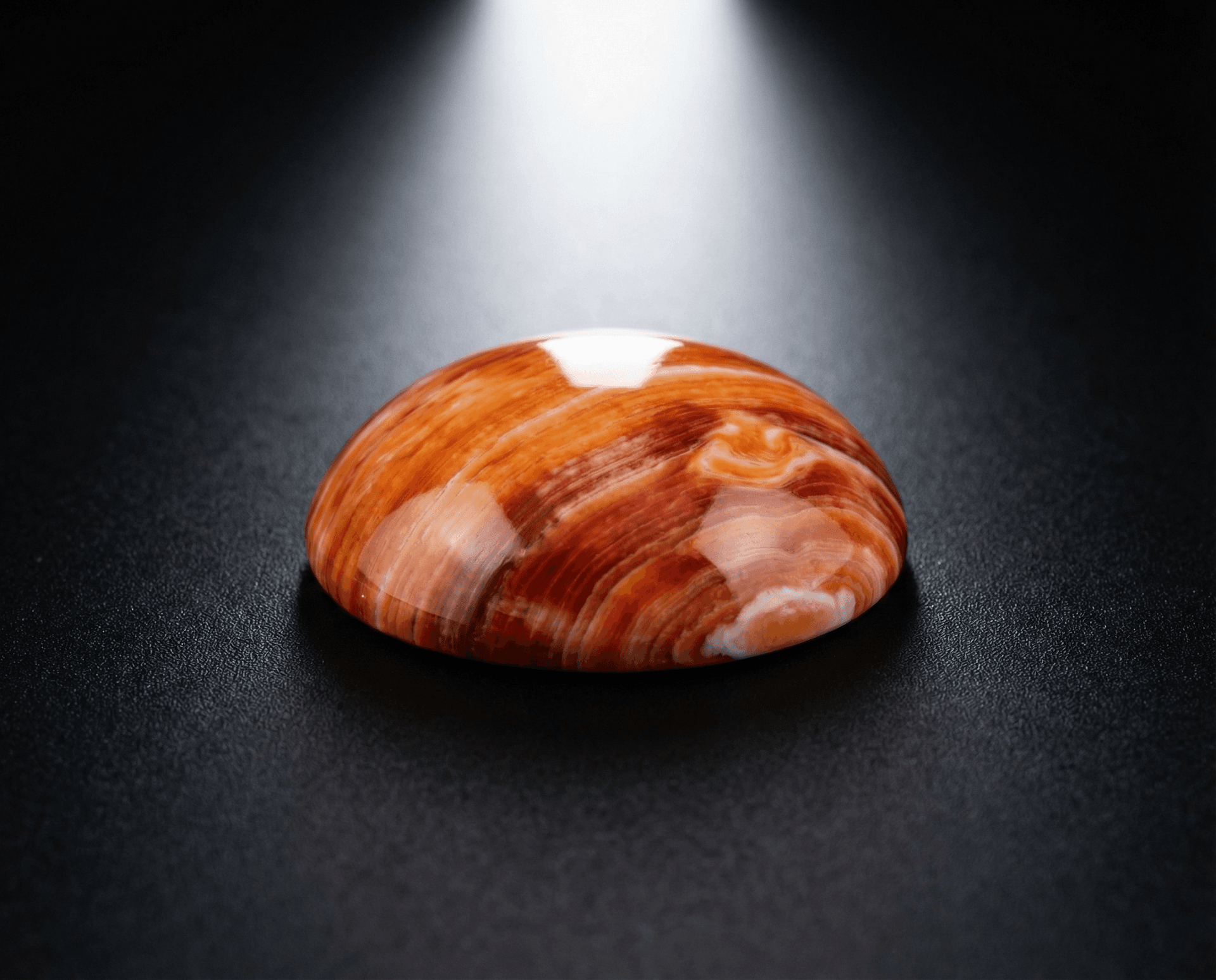
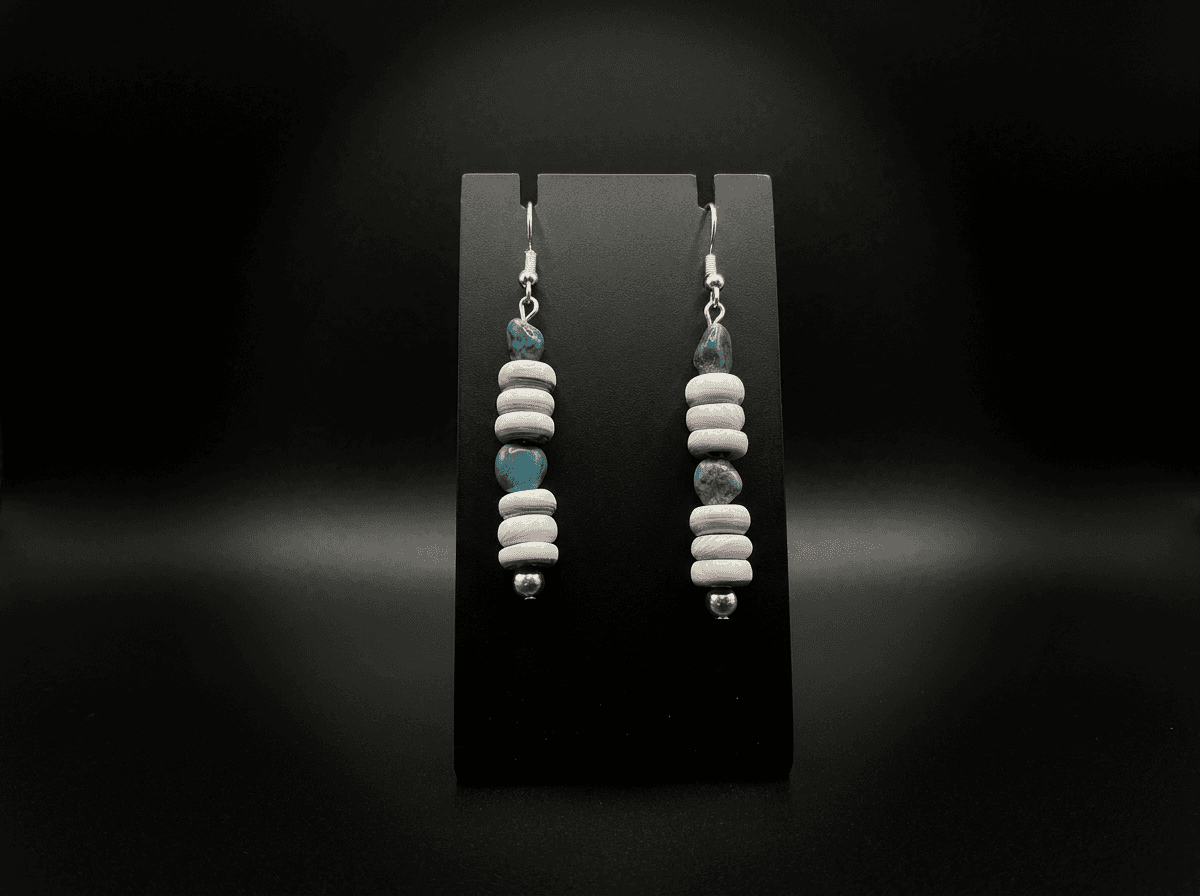
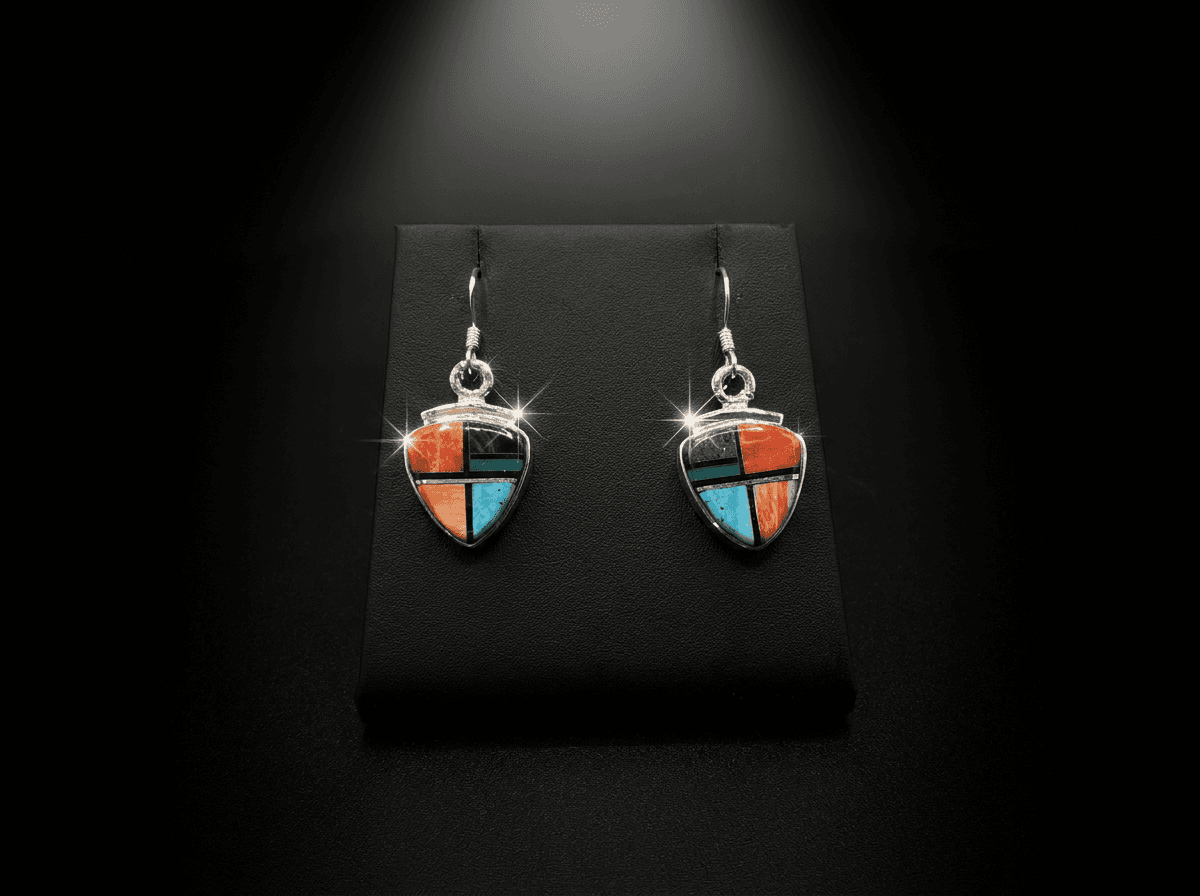
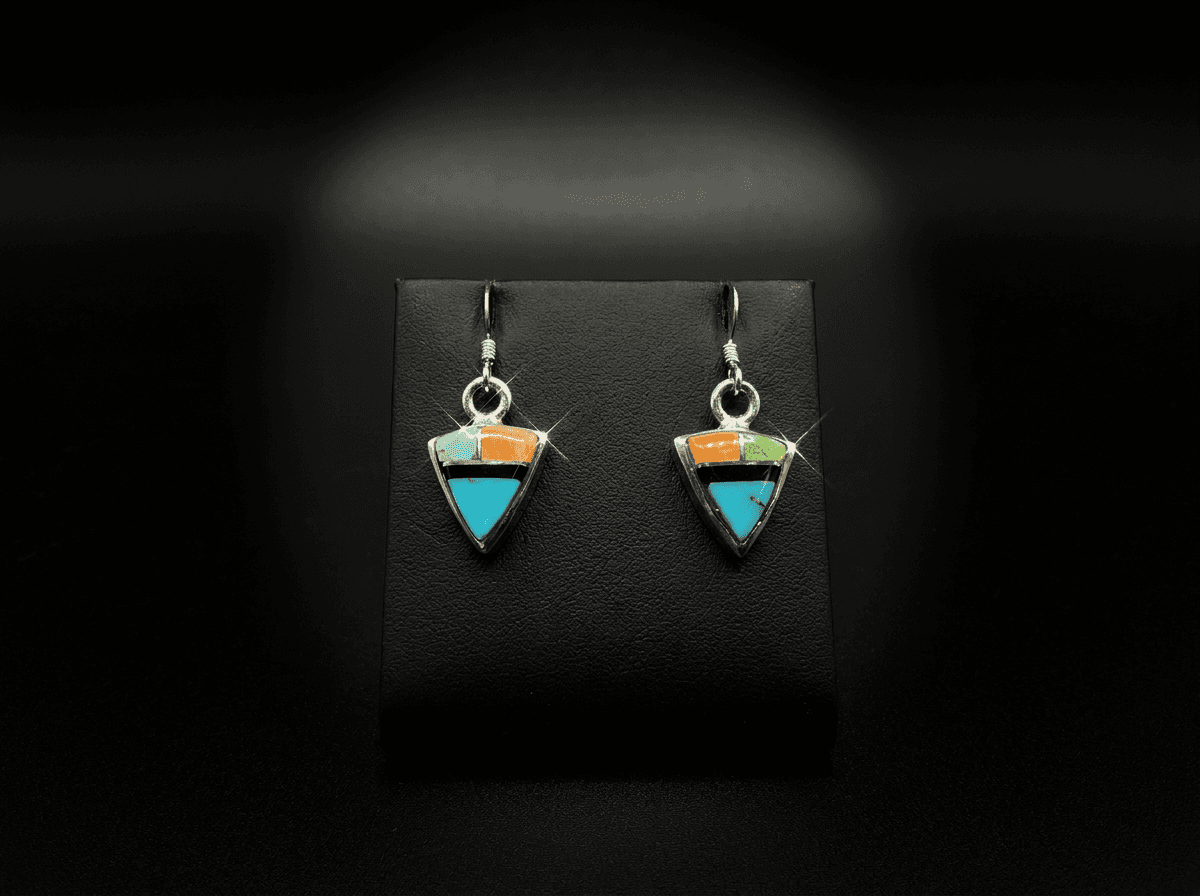
Spiny oyster shell brings warm color to Southwestern jewelry — vivid orange, deep red, and rich purple harvested from the spiny oyster mollusk. It is a classic complement to turquoise in inlay, heishi, and cluster work.
This collection includes Native American–made and Southwestern-style pieces; each piece's own page states its origin where it is known.
HistorySpiny oyster shell has been traded and worked in the Southwest for well over a thousand years, prized by Ancestral Puebloan peoples who carried Gulf shell far inland long before European contact. Archaeological sites across the region contain shell ornaments that speak to its enduring value.
Today it remains a staple of Zuni and Santo Domingo (Kewa) inlay and heishi, and of Navajo cluster work, valued for the warmth it adds beside cool blue turquoise.
Shell carries deep significance in Southwestern cultures, associated with water and life and with the long-distance trade that connected desert peoples to the sea. Spiny oyster's reds, oranges, and purples appear in heishi necklaces, channel inlay, and mosaic work, very often paired with turquoise to balance warm and cool tones.
Spiny oyster is the shell of Spondylus mollusks from the warm waters of the Gulf of California and beyond. Its color grades naturally from bright orange through red to deep purple depending on the part of the shell and the species, requiring no dye — the lapidary simply selects and cuts to the color wanted.
As an organic, calcium-carbonate material, spiny oyster should be kept away from acids, perfume, cosmetics, and prolonged moisture, all of which can dull or pit its surface. Wipe gently with a soft cloth and store it separately from harder stones.
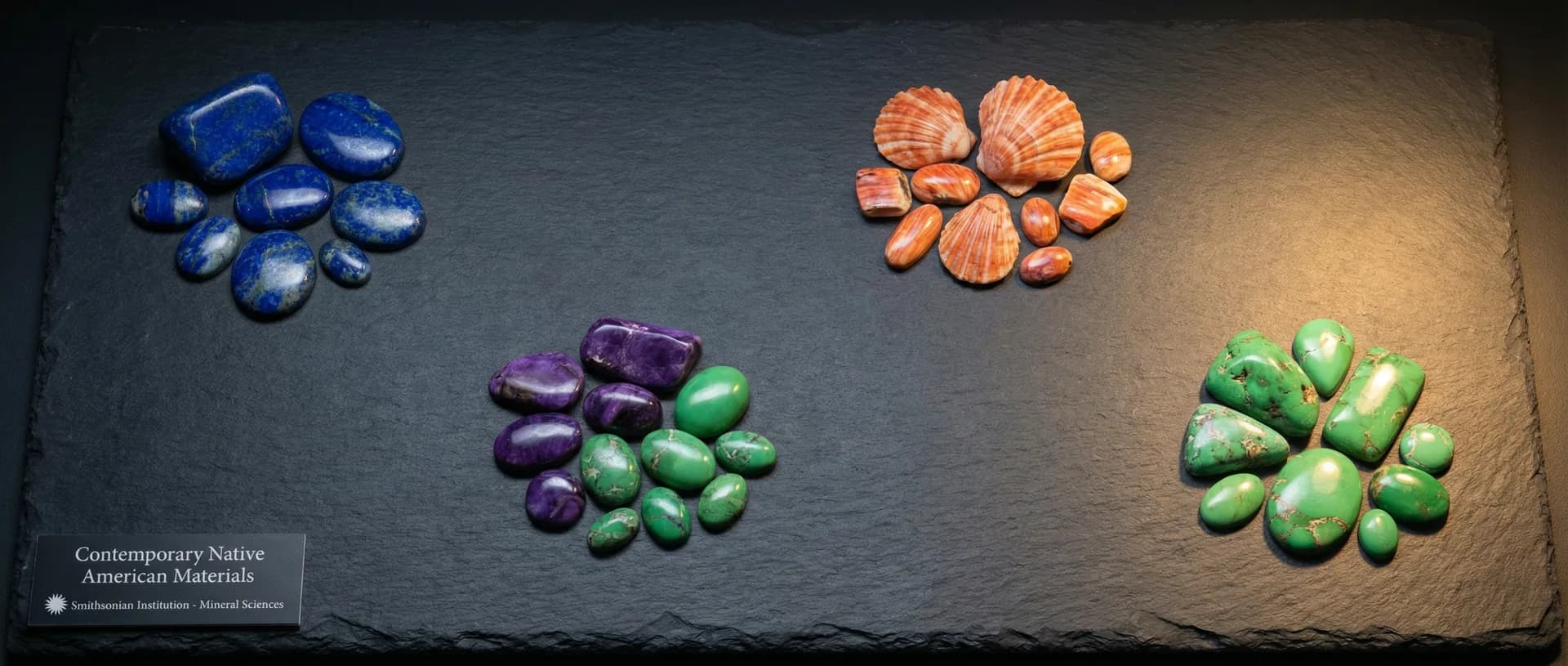
Beyond turquoise and coral, Native American jewelers draw upon a remarkable palette of secondary stones — Afghan lapis lazuli traded across 6,000 years of human commerce, spiny oyster shell graded from fiery orange to royal purple, gaspeite, sugilite, charoite, and other rare materials that expand the chromatic possibilities of indigenous jewelry to extraordinary effect.
Read Article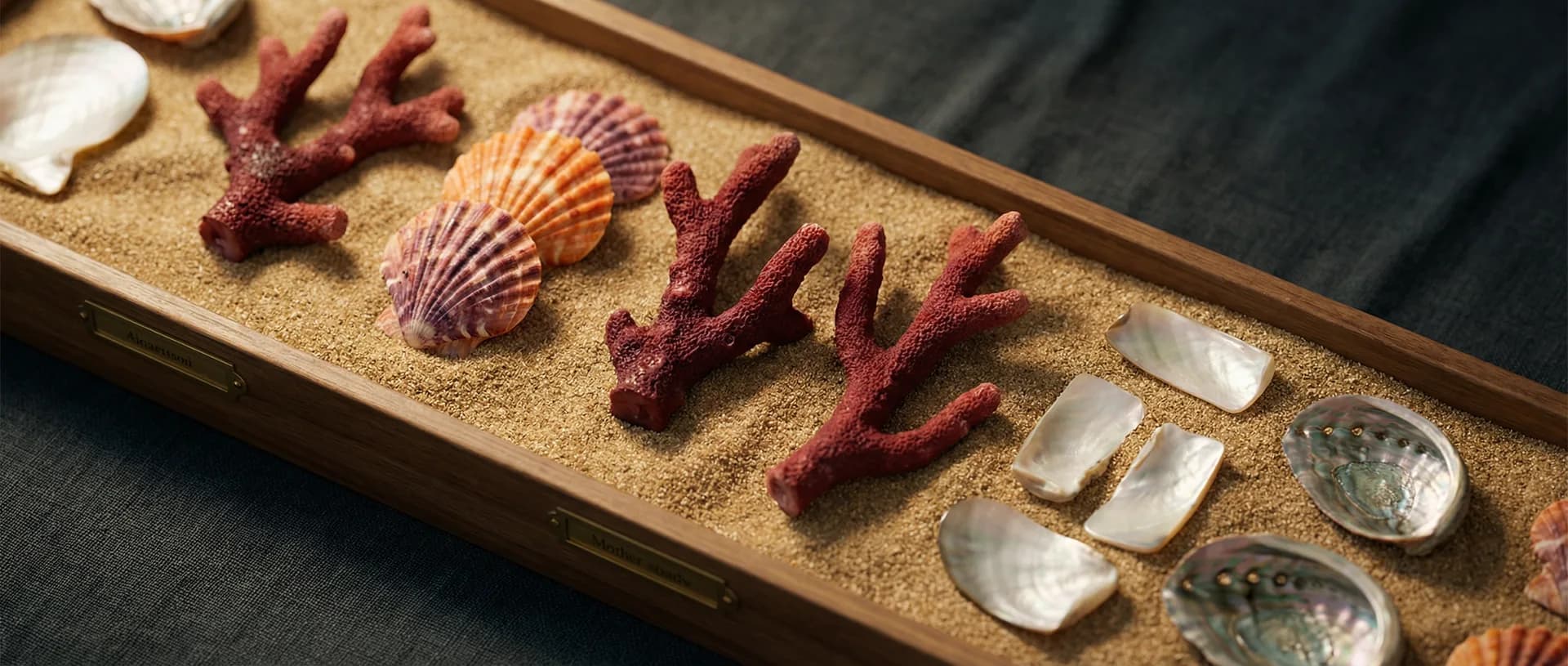
The ocean has supplied Native American jewelers with some of their most culturally significant materials. Mediterranean red coral, harvested from depths of 30 to 300 meters in the Tyrrhenian and Adriatic seas, arrived in the Southwest through Spanish colonial trade routes. Spiny oyster shell from the Sea of Cortez has been traded northward for over a thousand years. Mother of pearl, abalone, and other marine shells complete a palette of organic materials whose cultural importance rivals turquoise itself.
Read ArticleThis collection includes Native American–made and Southwestern-style pieces; each piece's own page states its origin where it is known.
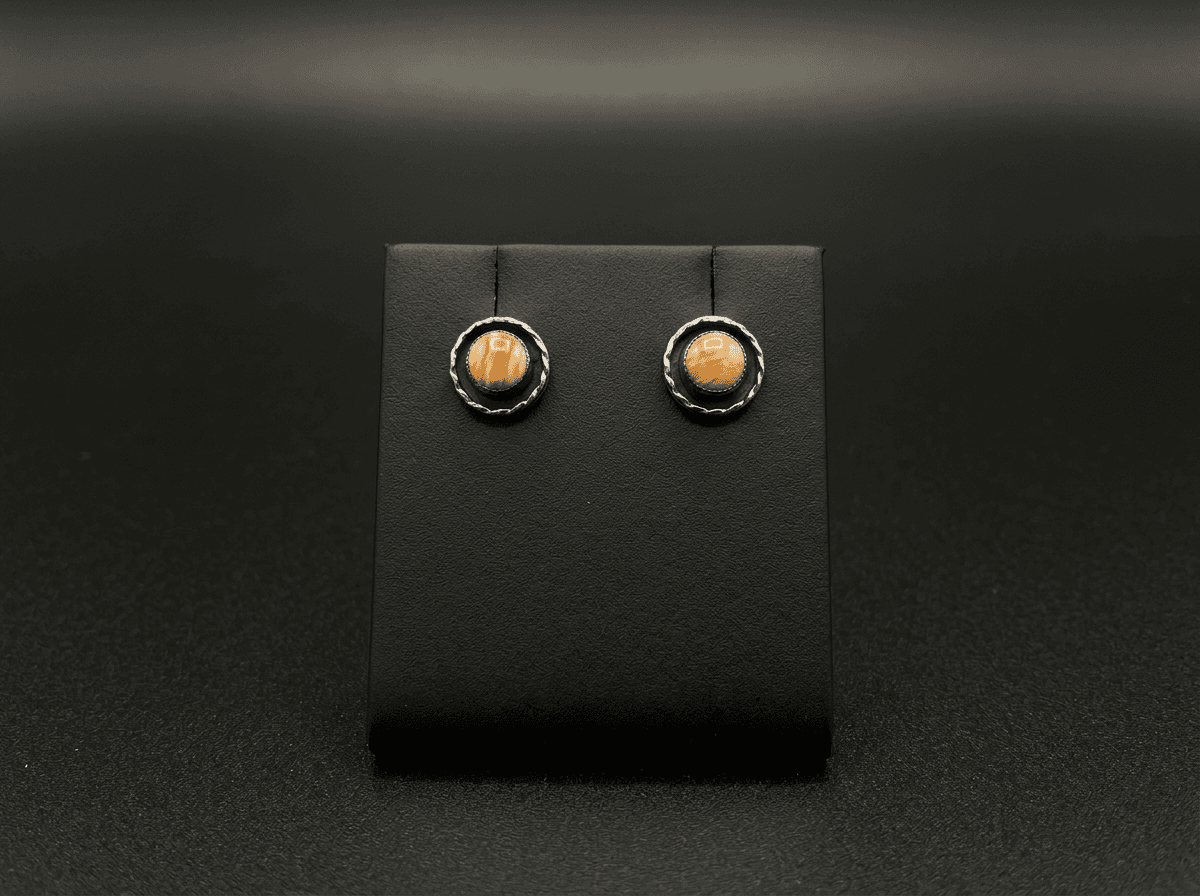
$135.00
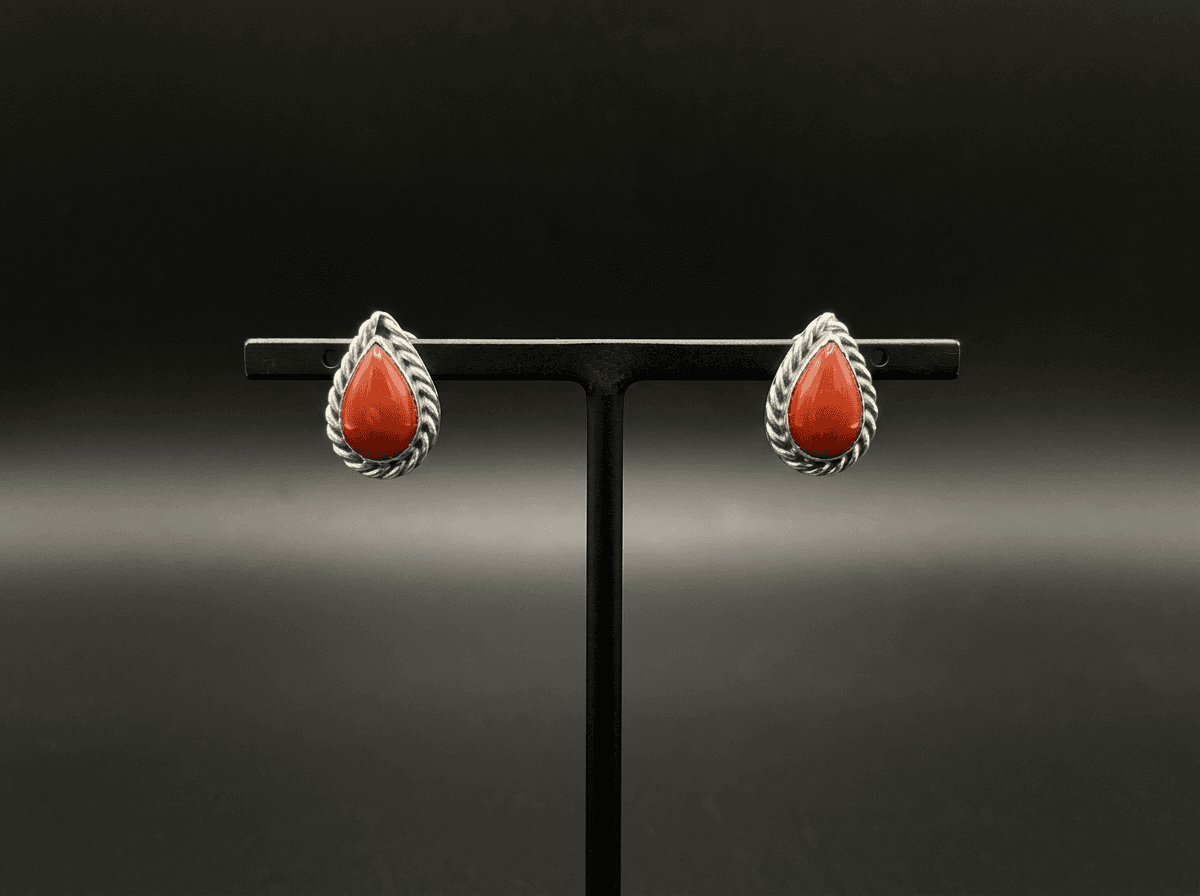
$135.00
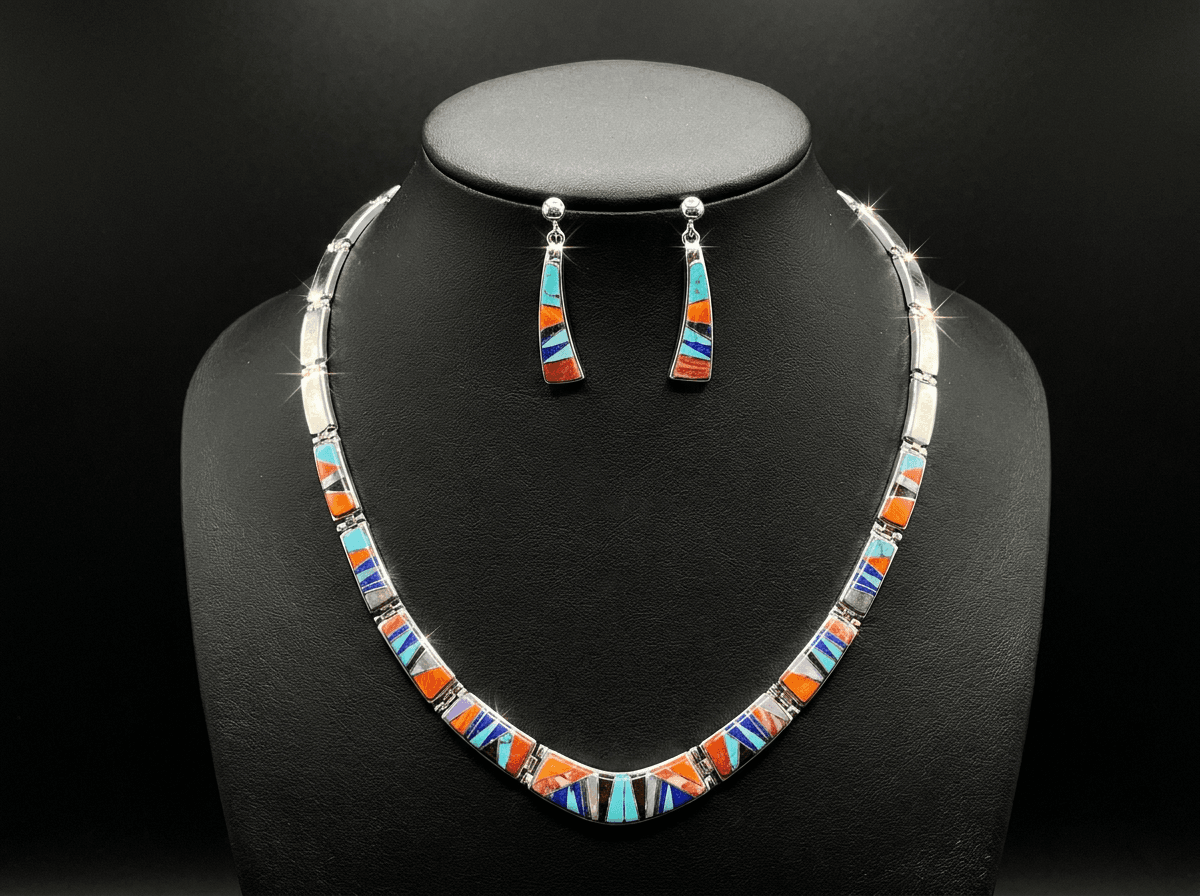
$2,900.00
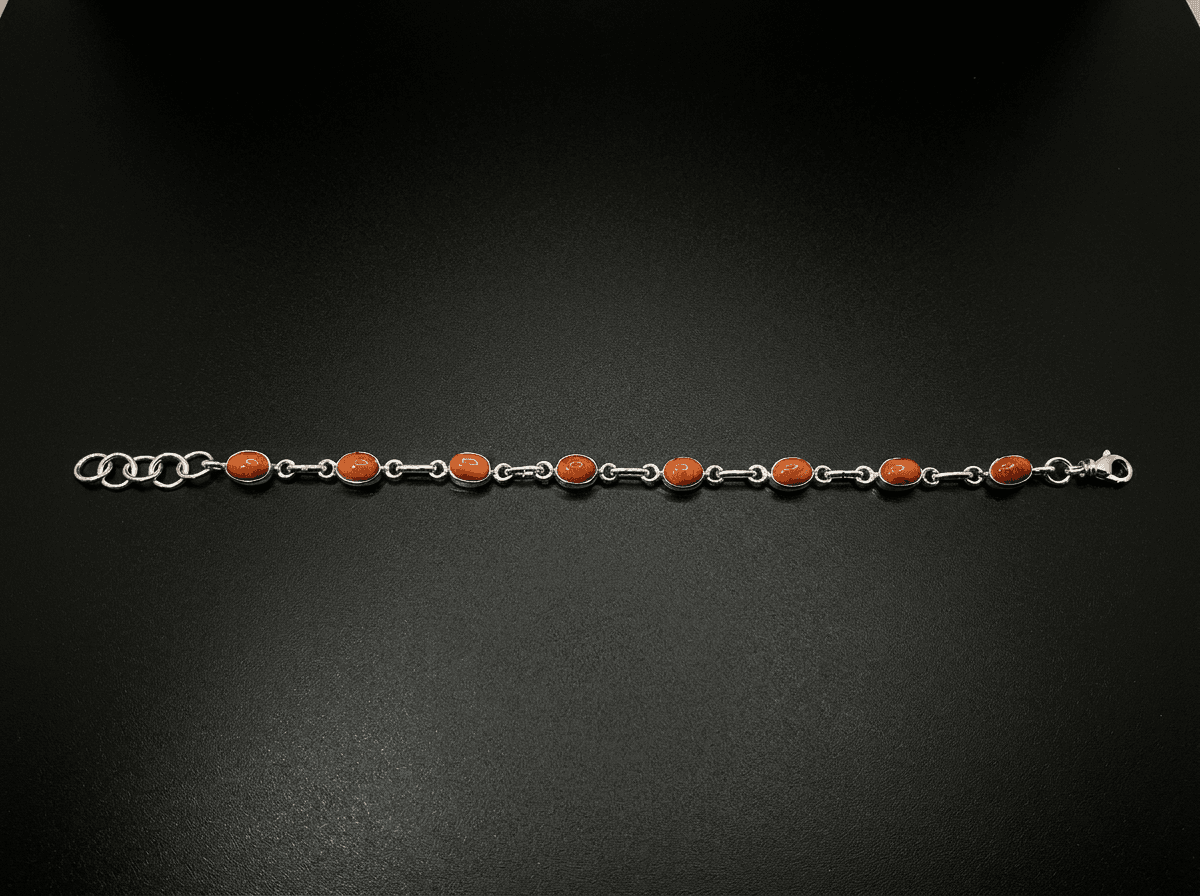
$595.00
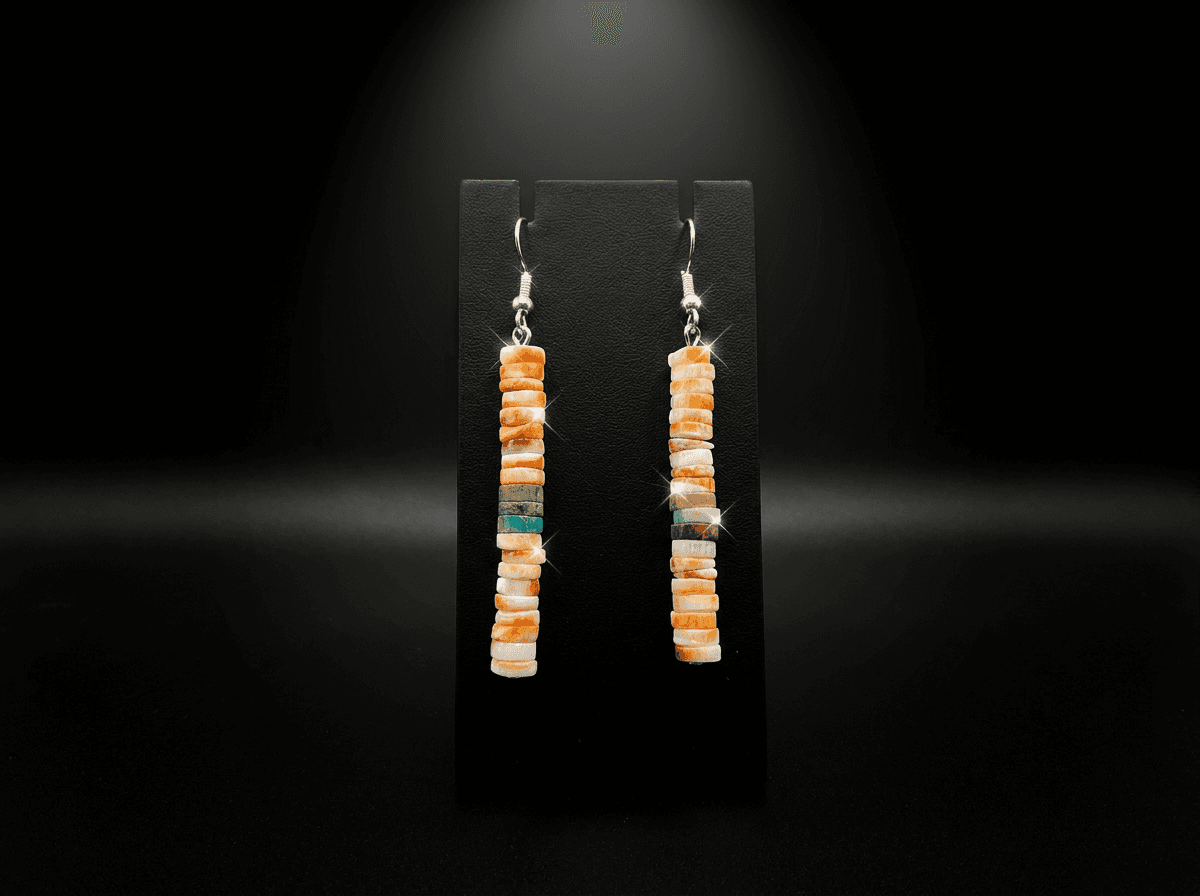
$185.00
$185.00
$265.00
$225.00