One of a Kind
The only one of its kind
WARNING: This product can expose you to lead and cadmium, which are known to the State of California to cause cancer and reproductive harm. For more information go to P65Warnings.ca.gov.
Low Stock — Only 1 left
Secure checkout
30-Day Returns · Free ExchangesRefund returns: 20% restocking fee and customer-paid return shipping. Exchanges for an item of equal or greater value carry no restocking fee.
Arrives Thu, Jul 2 – Thu, Jul 9
Guaranteed Authentic
Indian Arts and Crafts Act Compliant
Every piece is accompanied by a signed Certificate of Authenticity, documenting its provenance and recorded below for Sterling Silver Kingman Turquoise Ring - Size 8.5 #018.
Make it a gift
Add signature gift wrapping, a handwritten note, or a discreet gift receipt — and schedule delivery for the day you choose. Every piece arrives with its Certificate of Authenticity.
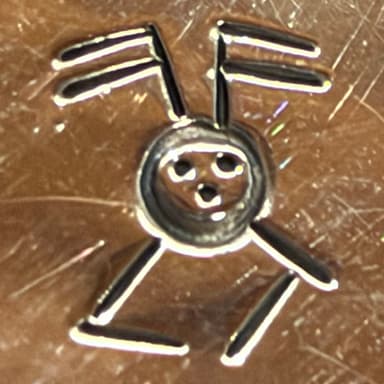
Discover this exceptional Native American Ring, handcrafted by Hopi artisans, meticulously crafted in Sterling Silver. This remarkable piece showcases genuine Kingman Turquoise. The Kingman Turquoise featured in this piece carries a rich heritage — From the Kingman mine in northwestern Arizona, one of the oldest and largest turquoise mines in North America. Operating since the 1880s, it produces classic blue turquoise with distinctive white and black matrix. Available in size 8.5. From the ancient mesas of northeastern Arizona, the Hopi people have lived in this region for over a thousand years. Hopi silversmiths developed their distinctive overlay technique in the 1940s, featuring symbols from their rich ceremonial traditions. This piece bears the signature of artist Lucinda Namoki, a mark of authenticity and personal craftsmanship. Every piece at Humiovi is one-of-a-kind — once sold, it can never be replicated. Ships from our gallery in Sedona, Arizona.
SKU: 7605347
Origin
Kingman, Arizona
Characteristics
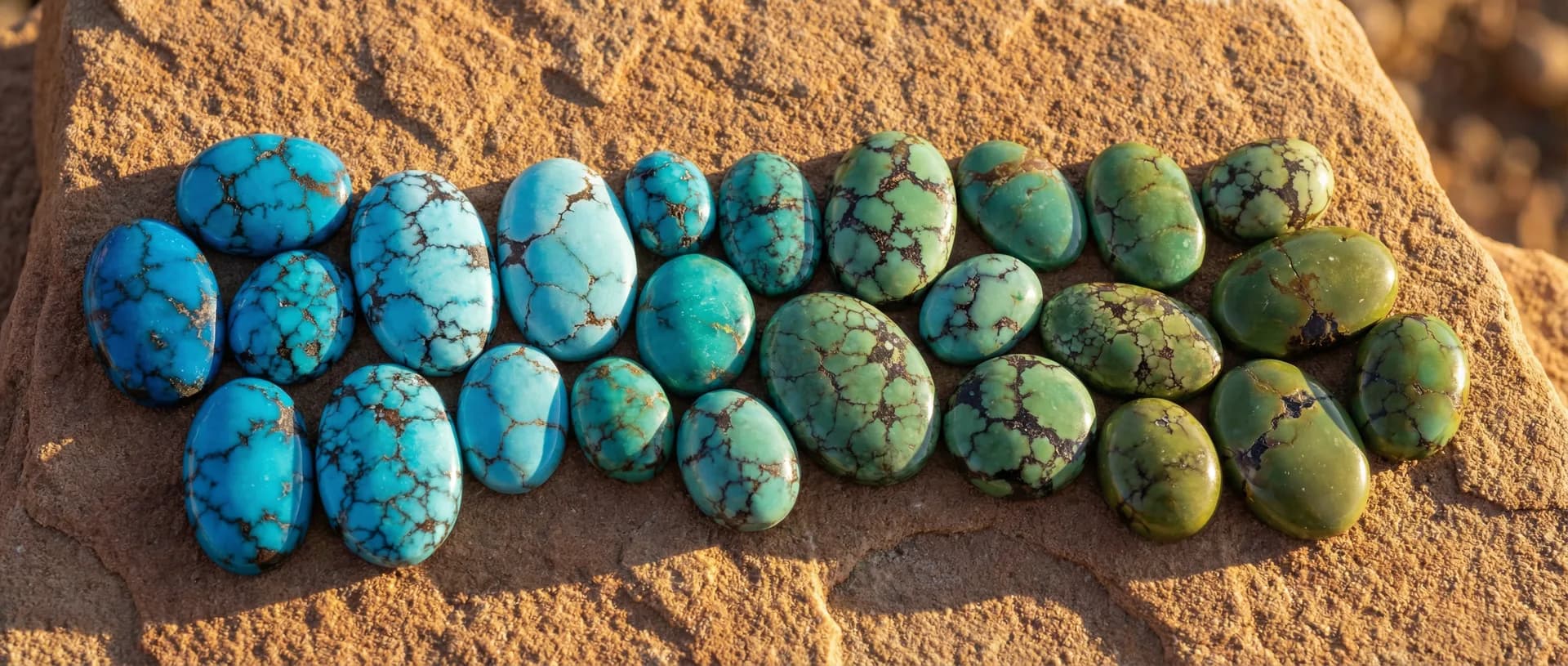
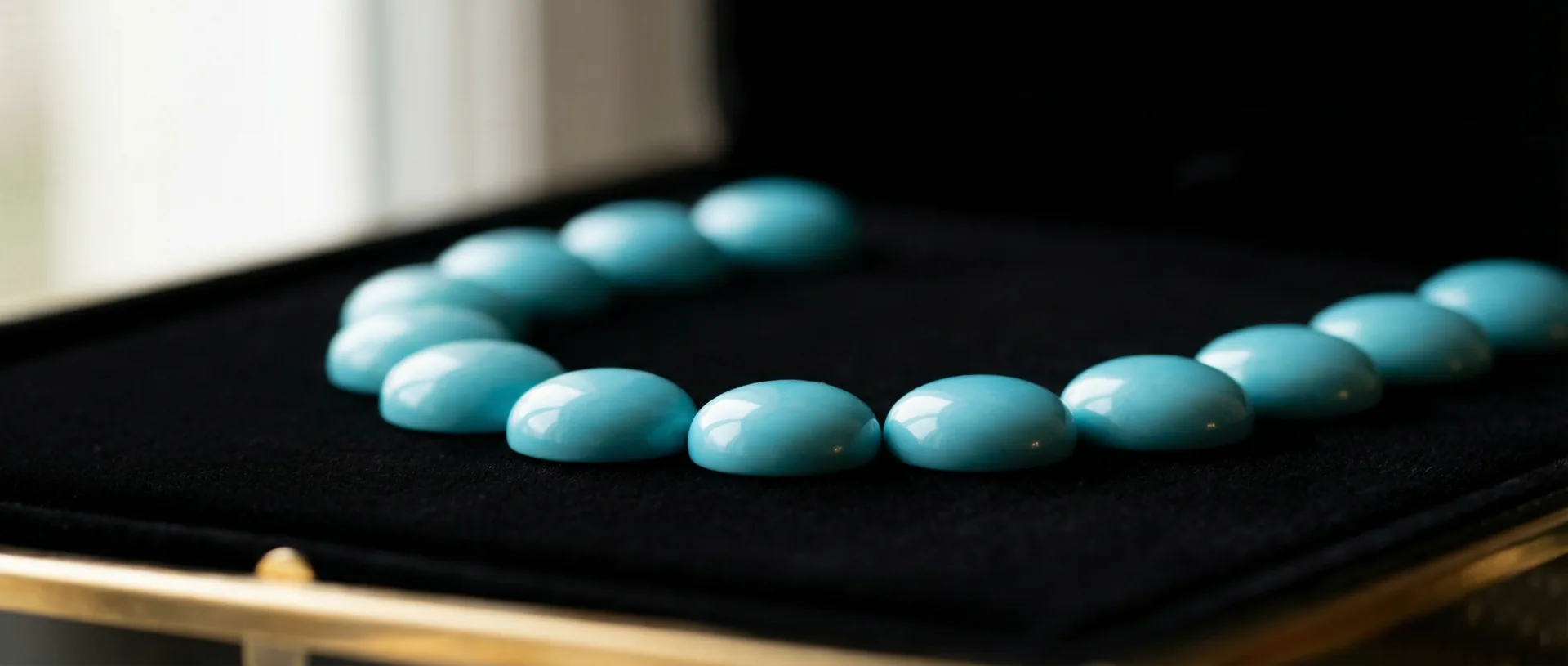
Mined in the Mineral Park district of northwestern Arizona, Kingman is among the most storied and prolific turquoise sources in the American Southwest. Its signature bright, sky-blue color — often laced with black, brown, or silvery pyrite matrix — has made it a benchmark stone for Native American silversmiths for generations, and "Kingman blue" remains a standard against which other turquoise is judged.
The Artist
Hopi silverwork is defined by the overlay technique: two layers of sterling silver, the upper sheet pierced with a design and soldered over a lower layer that is oxidised dark and often textured, so the motif reads as bright silver against shadow. The style was refined into its modern form after the Second World War, when a silvercraft training programme on the Hopi mesas encouraged smiths to draw on distinctly Hopi iconography. Clouds, rain, migration spirals, bear paws, katsina figures, and water-serpent forms recur — each carrying meaning within Hopi life. Stones are rare in Hopi work; the artistry lives in the line, the contrast, and the precision of the cut.
Heritage
The silver overlay masters of the Arizona mesas — luminous two-tone silver carrying clan symbols, kachina forms, and the imagery of Hopi life.
Art Traditions
The motifs in Hopi overlay are not decorative inventions; they are drawn from a living ceremonial and clan system. Kachina imagery, water and corn symbols, and clan emblems reference the spiritual relationships and responsibilities at the center of Hopi life, which remains organized around the ceremonial calendar, the kiva, and the agricultural cycle of the mesas. Out of respect, the most sacred imagery stays within ceremony and is not rendered for sale, and Hopi artists are deliberate about the line between what may be shared and what may not. The post-war creation of the Hopi style was, in part, an act of cultural self-determination — a conscious choice, supported by Hopi leaders and artists, to define Hopi identity in silver on Hopi terms rather than in borrowed forms. That spirit continues in the guild tradition and in the family workshops scattered across First, Second, and Third Mesa today. Humiovi presents Hopi overlay with awareness of its symbolic weight, honoring both the artisans and the boundaries the Hopi themselves draw around their sacred imagery. This care extends to the marketplace: Hopi artists and the guild have long worked to ensure that genuine Hopi makers, rather than imitators, receive the recognition and livelihood their work earns. To choose authentic Hopi silver is, in a real and practical sense, to support that self-determination and the families who sustain the craft.
Cared for thoughtfully, a handcrafted piece is meant to last generations. A few essentials for this one:
Turquoise
A soft, porous stone — keep it dry and away from perfume, lotion, and household chemicals so its color stays true.
Sterling silver
Buff with a soft polishing cloth — leaving intentional oxidation intact — and store airtight to slow tarnish.
Last on, first off
Put your piece on after fragrance, lotion, and hairspray — and take it off before water, sleep, and sport.
Store with care
Keep each piece in its own soft pouch, away from direct sun and damp, so softer stones never meet harder ones.
Estimated delivery: Thu, Jul 2 – Thu, Jul 9
Complimentary US shipping on all jewelry
Order by 2pm MST for same-day processing
Certificate of Authenticity
Every purchase includes a Certificate of Authenticity documenting the artist, tribal affiliation, and materials used in your piece.
Returns & Exchanges
Return within 30 days of delivery. Exchanges for an item of equal or greater value carry no restocking fee; refund returns are subject to a 20% restocking fee, with return shipping paid by you. Items must be in new, unworn, and unused condition with all original packaging — your Certificate of Authenticity is yours to keep. Custom and personalized pieces are not eligible.
Share

The Kingman mine in Mohave County, Arizona has operated continuously since the late nineteenth century, producing turquoise in a remarkable color range from sky blue to deep blue-green, with its spider-web matrix specimens ranking among the most valued turquoise in the world.

From its discovery in the copper-rich hills near Globe, Arizona in the 1920s to the mine's permanent closure in 2012, Sleeping Beauty turquoise has undergone a transformation from abundant commercial stone to one of the most coveted minerals in the gemological world, with prices increasing 300-400% since the final extraction.
Provenance
Offered by The Humiovi — family-owned in Sedona, Arizona, since 1972. Every piece in our gallery has a known origin and a verified maker.
Our authenticity guaranteeAuthenticity Guarantee
This item is guaranteed authentic, handcrafted by a member of a federally recognized Native American tribe, in full compliance with the Indian Arts and Crafts Act of 1990 (25 U.S.C. § 305 et seq.).