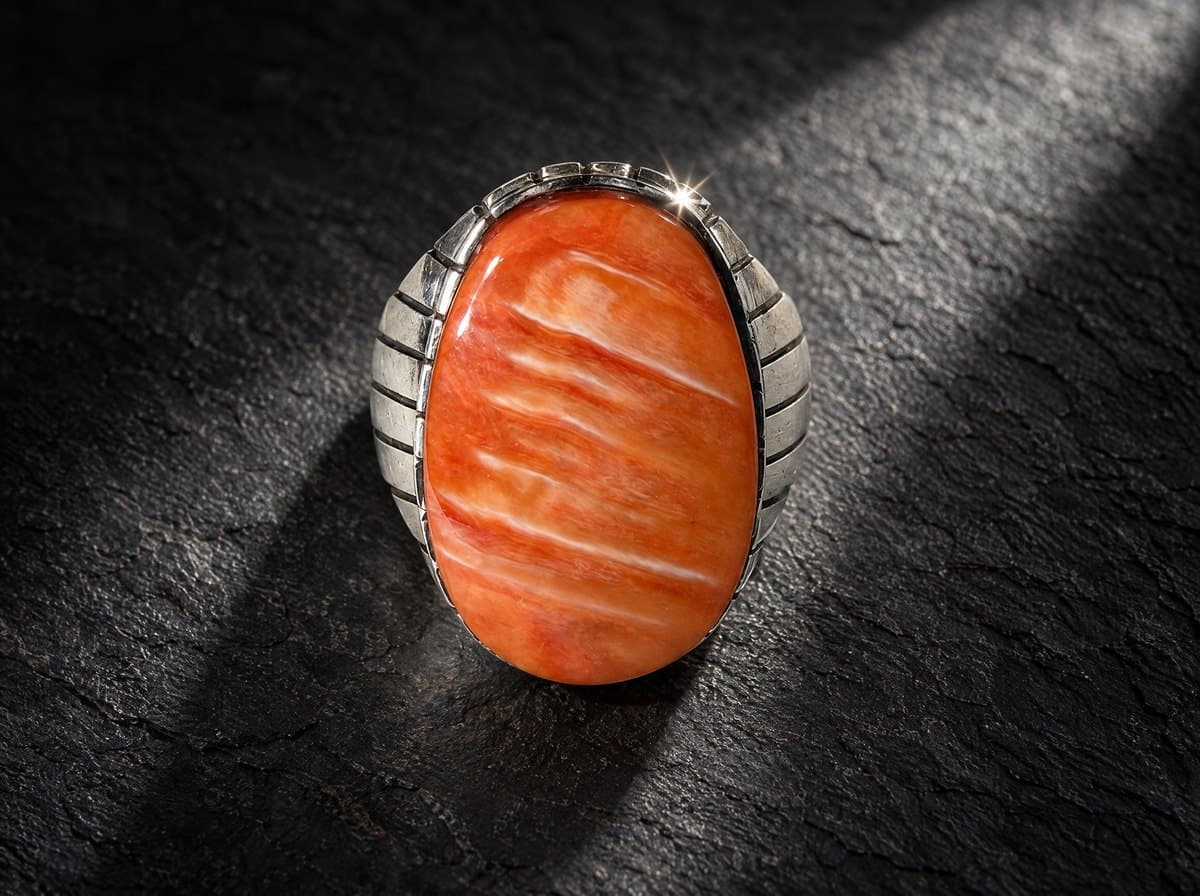
$330.00
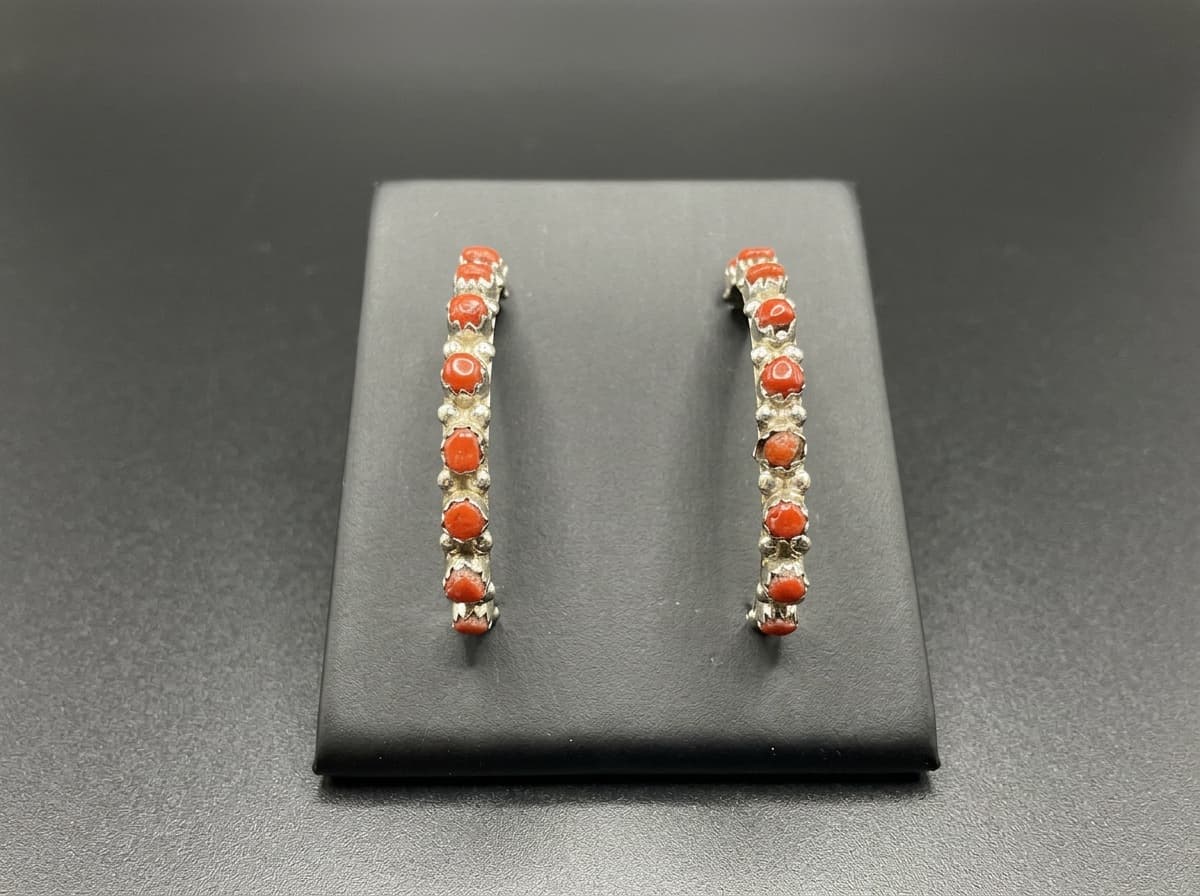
$195.00
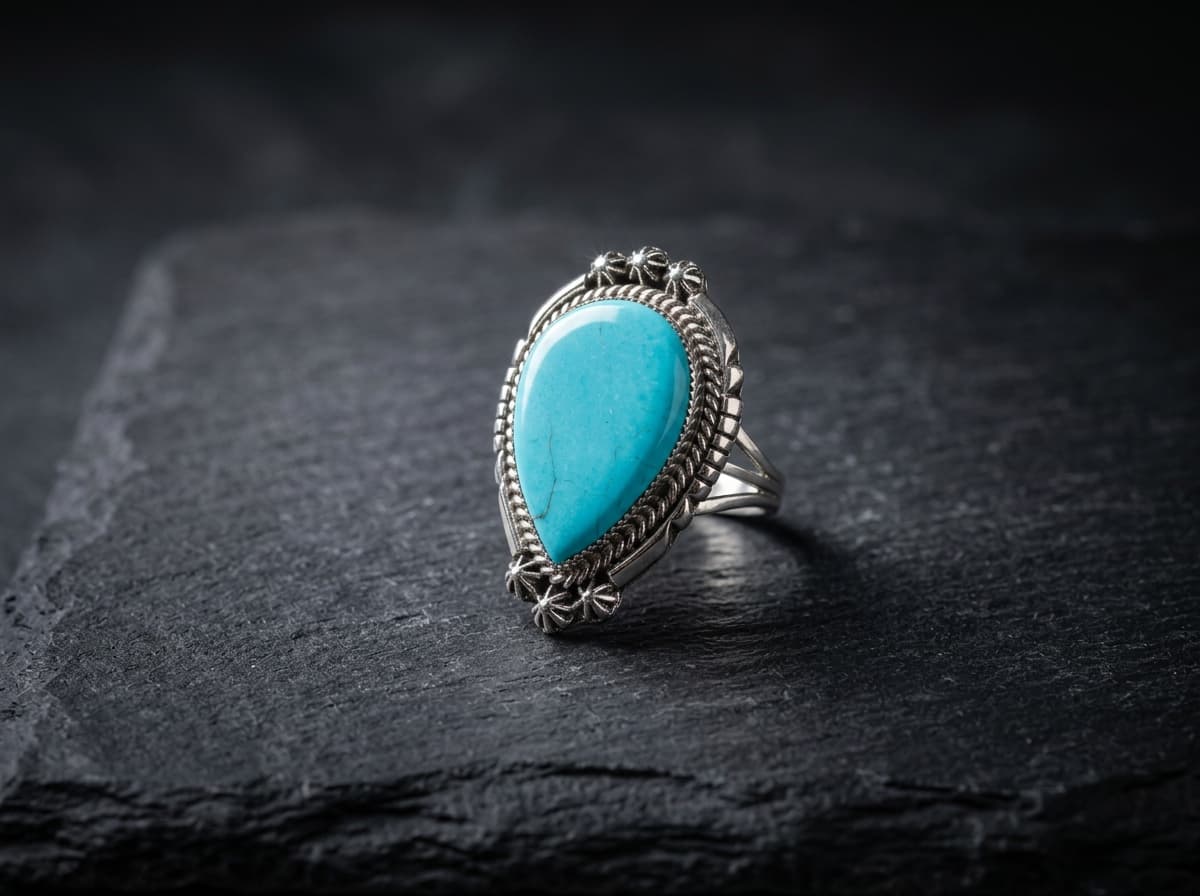
$395.00
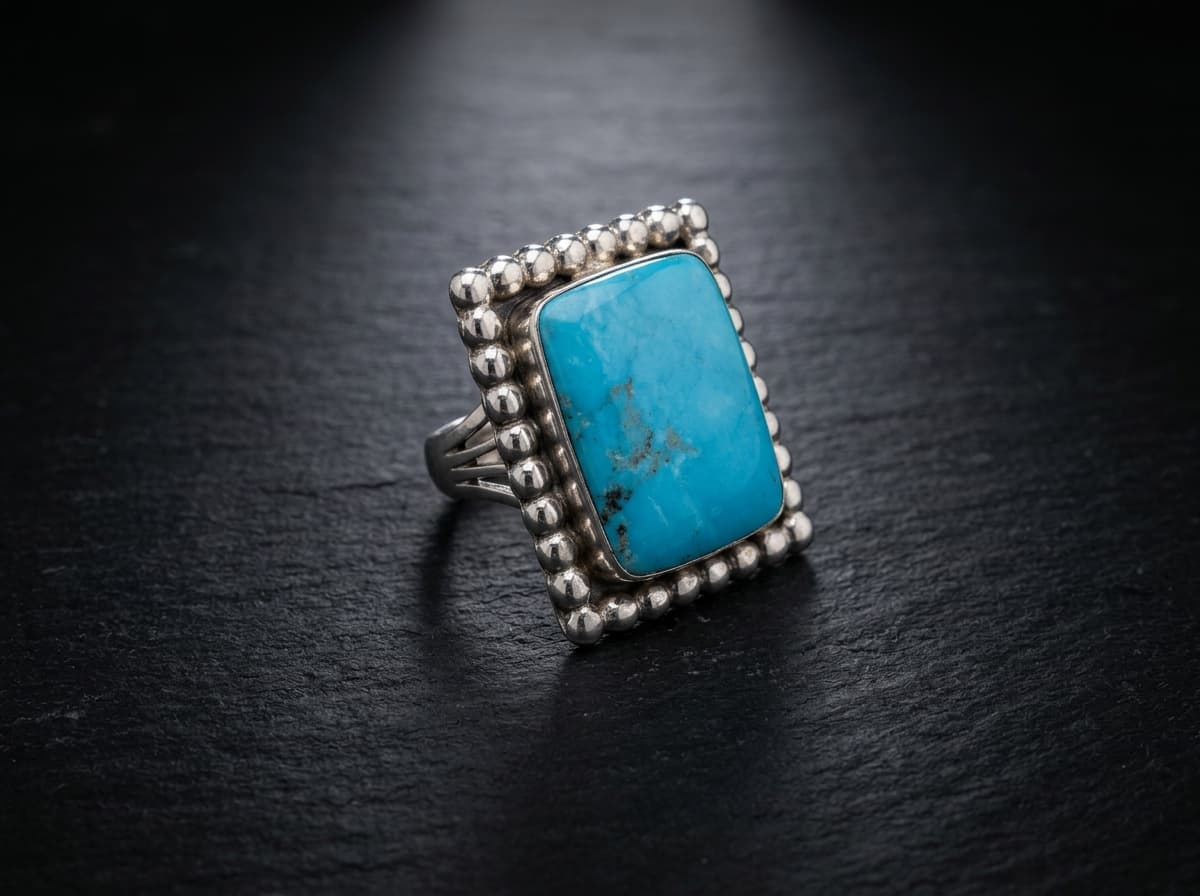
$450.00
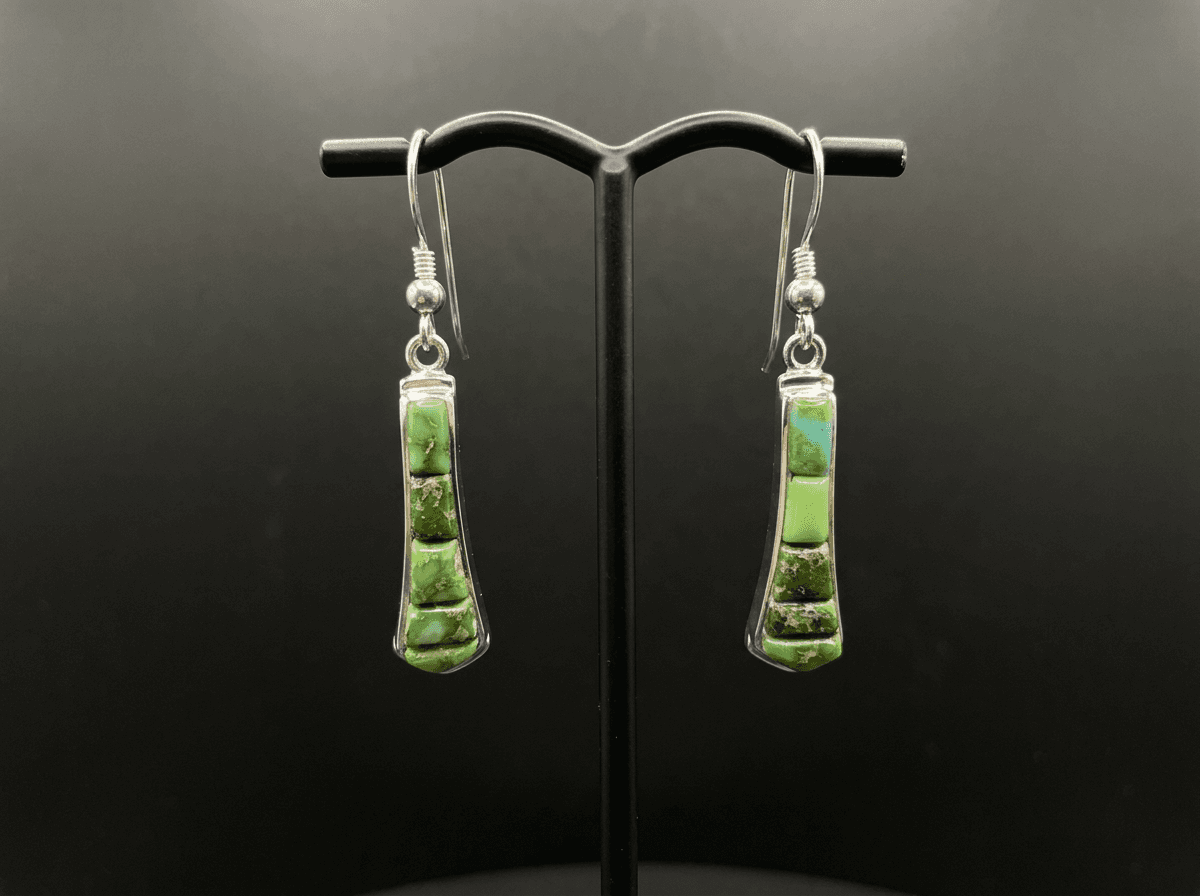
$300.00
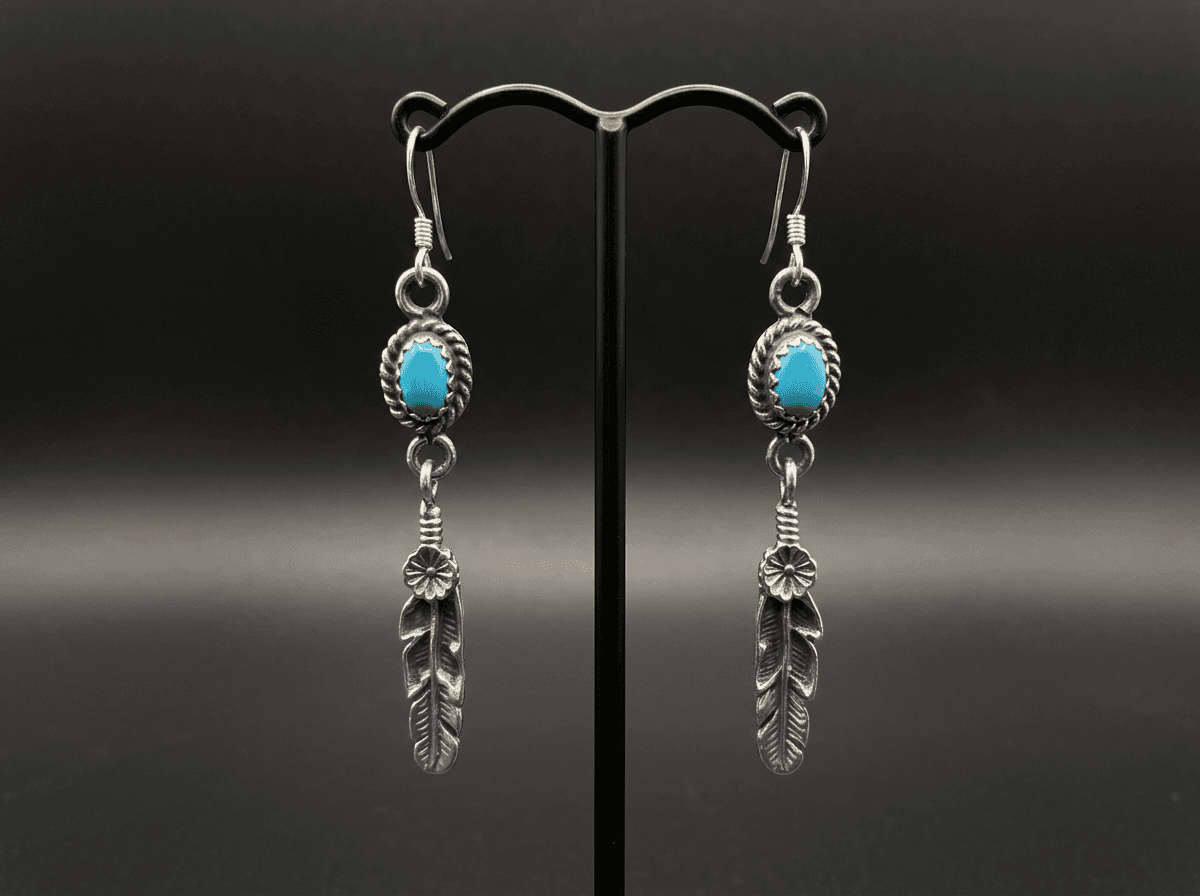
$180.00
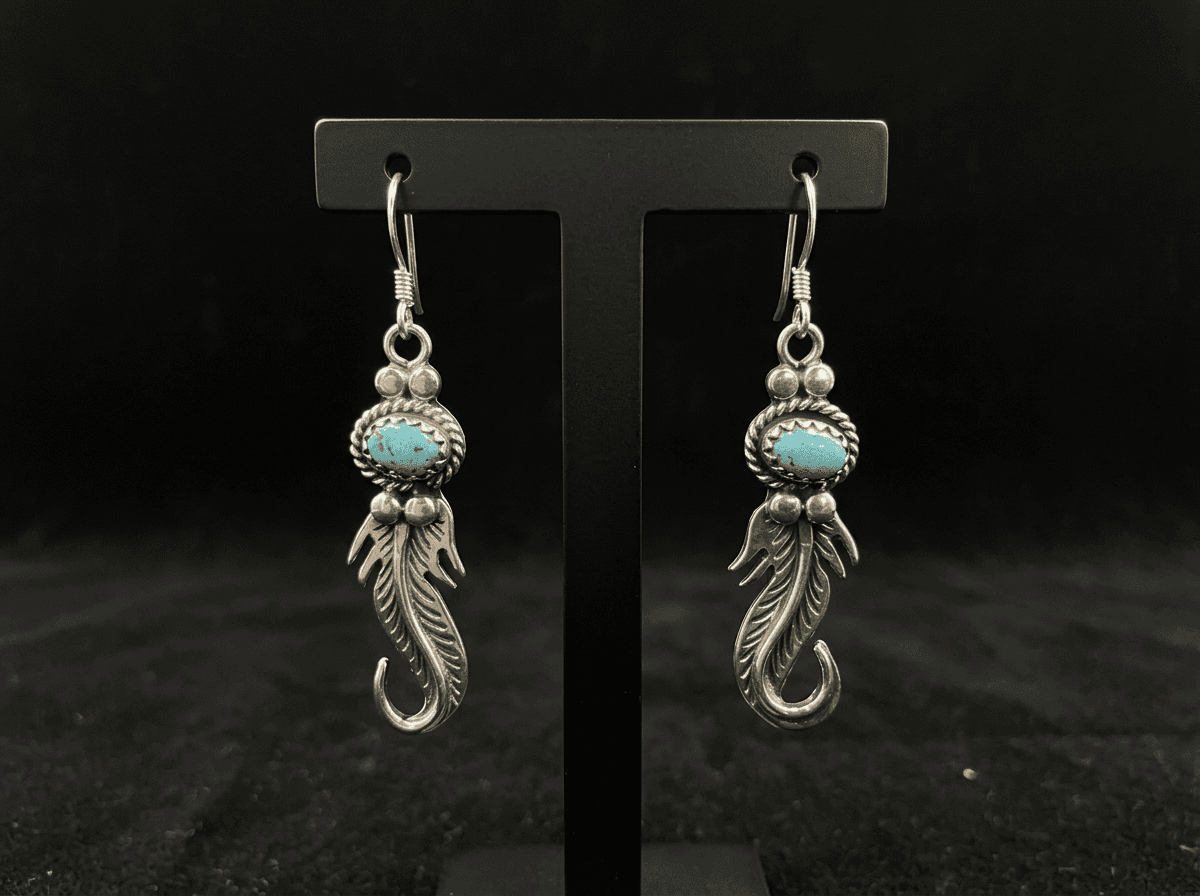
$139.00
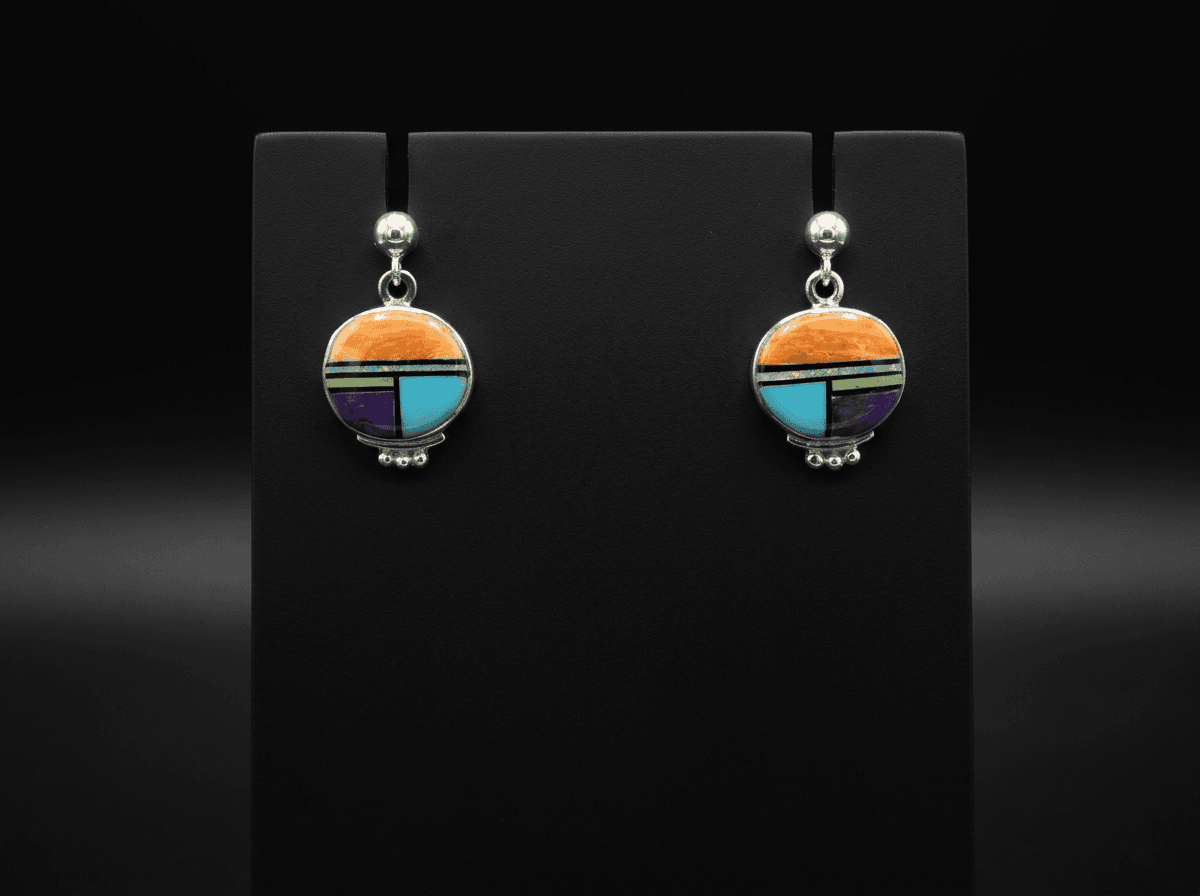
$295.00
Navajo silversmithing began in the mid-nineteenth century, when Diné smiths first worked silver into adornment. Within a generation the craft matured into the forms still recognised today — the squash blossom necklace, the concho belt, the broad stamped cuff.
Tufa and sandcasting, in which molten silver is poured into hand-carved stone moulds, give Navajo work its weight and sculptural presence; stamping and repoussé add the rhythmic, hand-struck patterning. Turquoise — set as a single commanding cabochon or in radiant clusters — is the stone most bound to the tradition.
Navajo makers account for the largest share of the work in this gallery. Each piece carries that lineage of silver and stone forward.
The stones most often set in the diné silverwork tradition. Explore each gemstone’s origin and meaning, then shop the pieces that carry it.