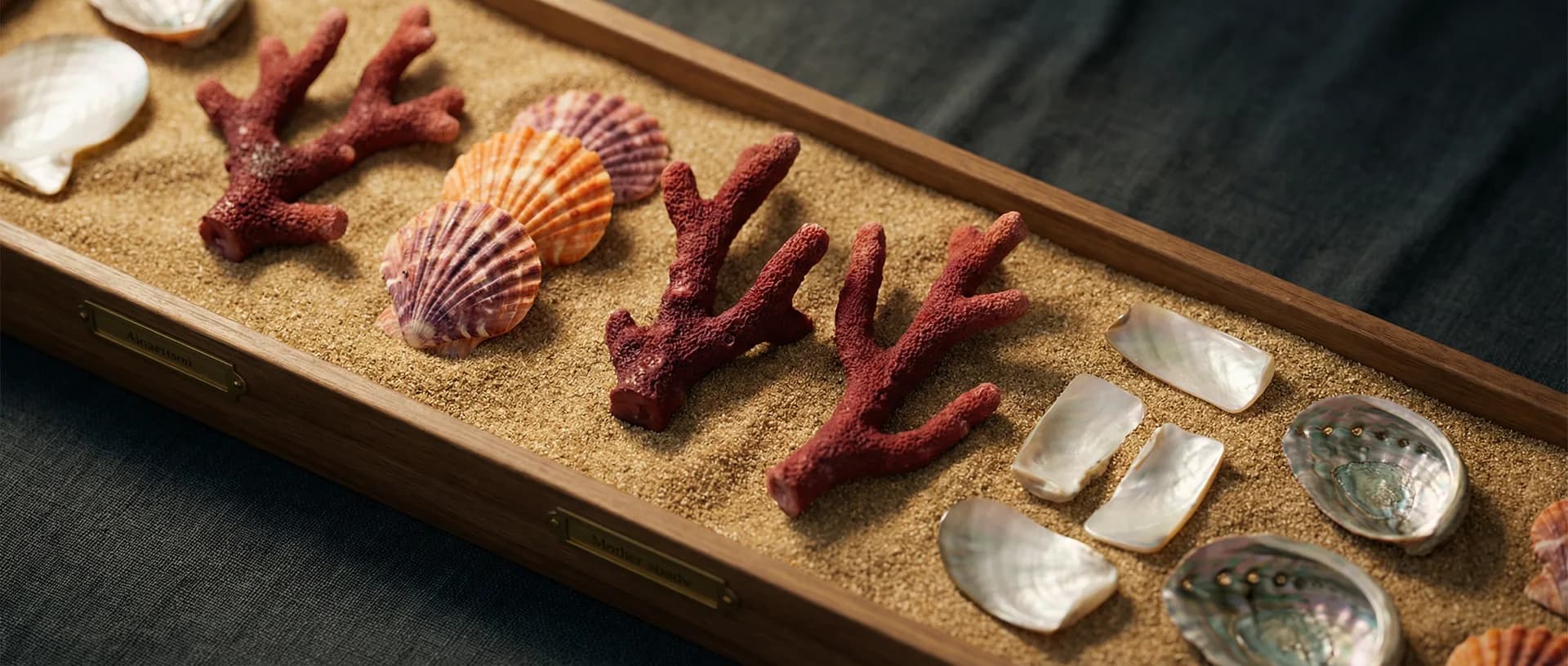
Learn about Coral in Native American–made and Southwestern-style jewelry: its history, geology, and care.
This collection includes Native American–made and Southwestern-style pieces; each piece's own page states its origin where it is known.
HistoryMediterranean red coral reached the Southwest through historic trade, carried first by Spanish colonists and later by reservation-era traders, and was eagerly adopted into Navajo and Zuni jewelry — above all in cluster and squash-blossom designs. Its deep red came to stand for life and vitality, balancing the sky-blue of turquoise, and old coral is treasured in antique pieces for both its color and its history.
Fine natural red coral is now protected by harvest limits. Much new red coral is dyed or reconstituted; deep, evenly colored natural coral, and antique strands, are valued accordingly.
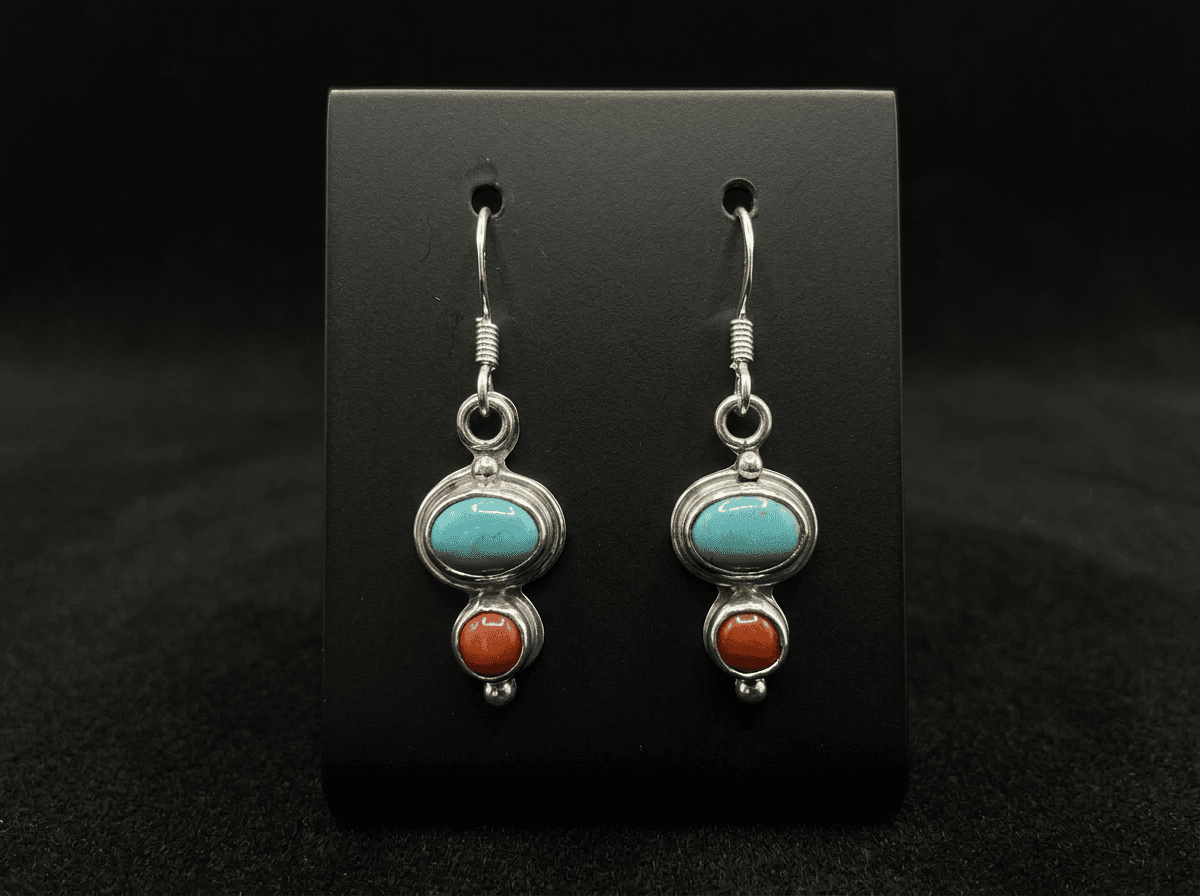
Coral is classically paired with turquoise to represent balance — earth and sky, warm and cool, the two colors that define Southwestern jewelry. It features prominently in cluster bracelets, squash-blossom necklaces, and ceremonial-style pieces, where rows of matched red branches frame the silver. Whether left as polished natural branch or cut into uniform cabochons, it carries the warm half of the Southwestern palette.
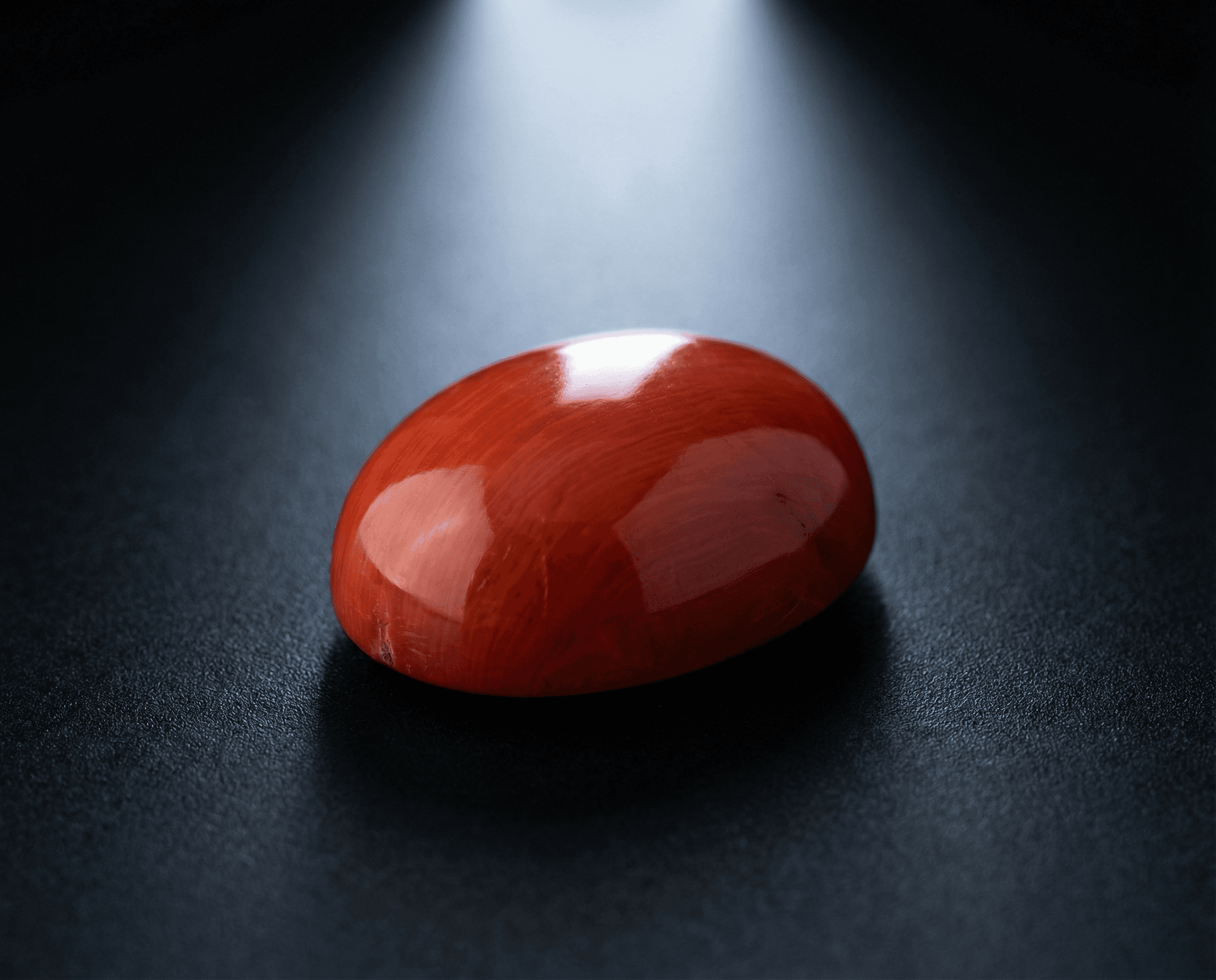
The coral used in fine jewelry is the hard skeleton of marine coral — built of calcium carbonate by colonies of tiny living polyps over many years in deep, cold seas. Its color ranges from pale pink and salmon to intense oxblood, with deep, even red traditionally the most valued.
Quality depends on color saturation and a smooth, dense surface that polishes well. At Mohs 3 to 4 it is soft and organic, sensitive to the same acids and heat as shell.
Coral is soft and organic — keep it from acids, chemicals, cosmetics, perfume, heat, and excess moisture, all of which can fade or etch the surface. Clean with a soft, dry cloth, put it on after fragrance and lotion, take it off before swimming or bathing, and store it separately.
This collection includes Native American–made and Southwestern-style pieces; each piece's own page states its origin where it is known.
$125.00
$220.00
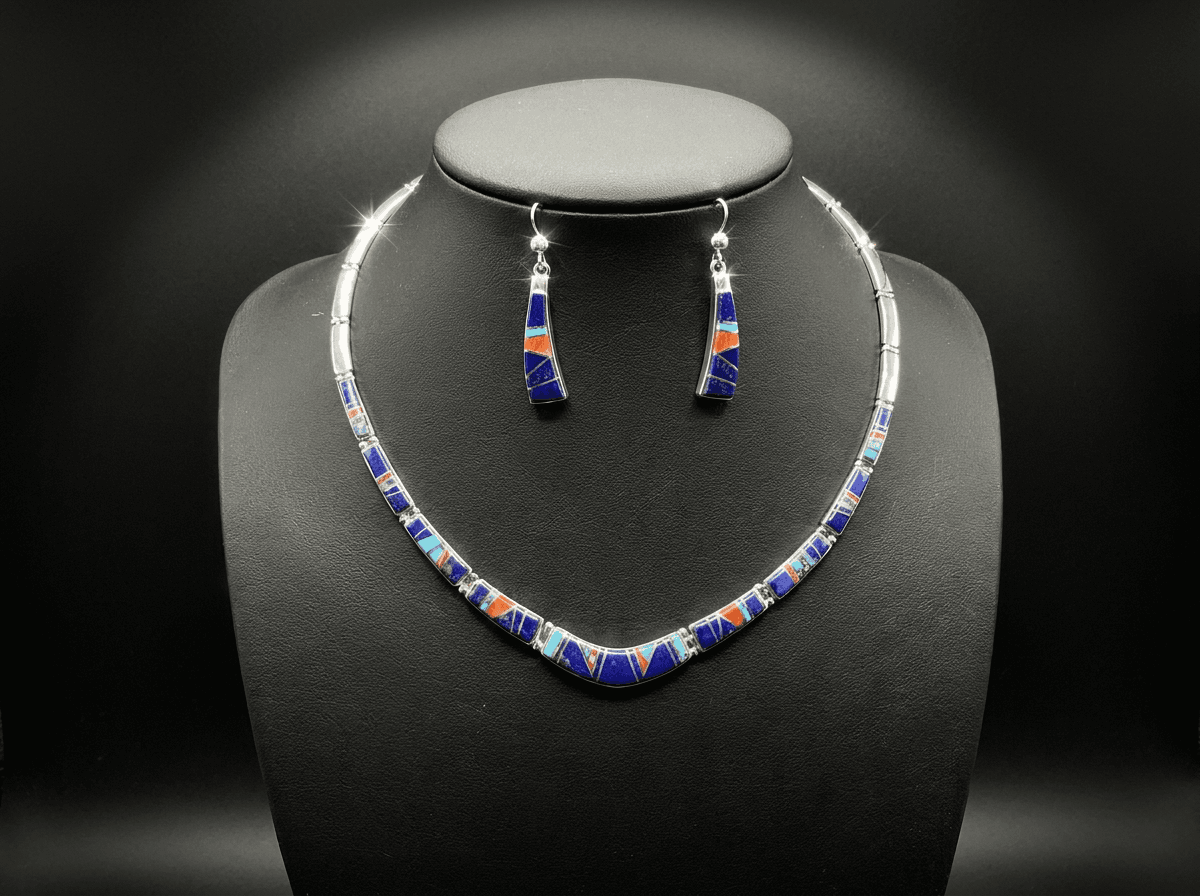
$2,900.00
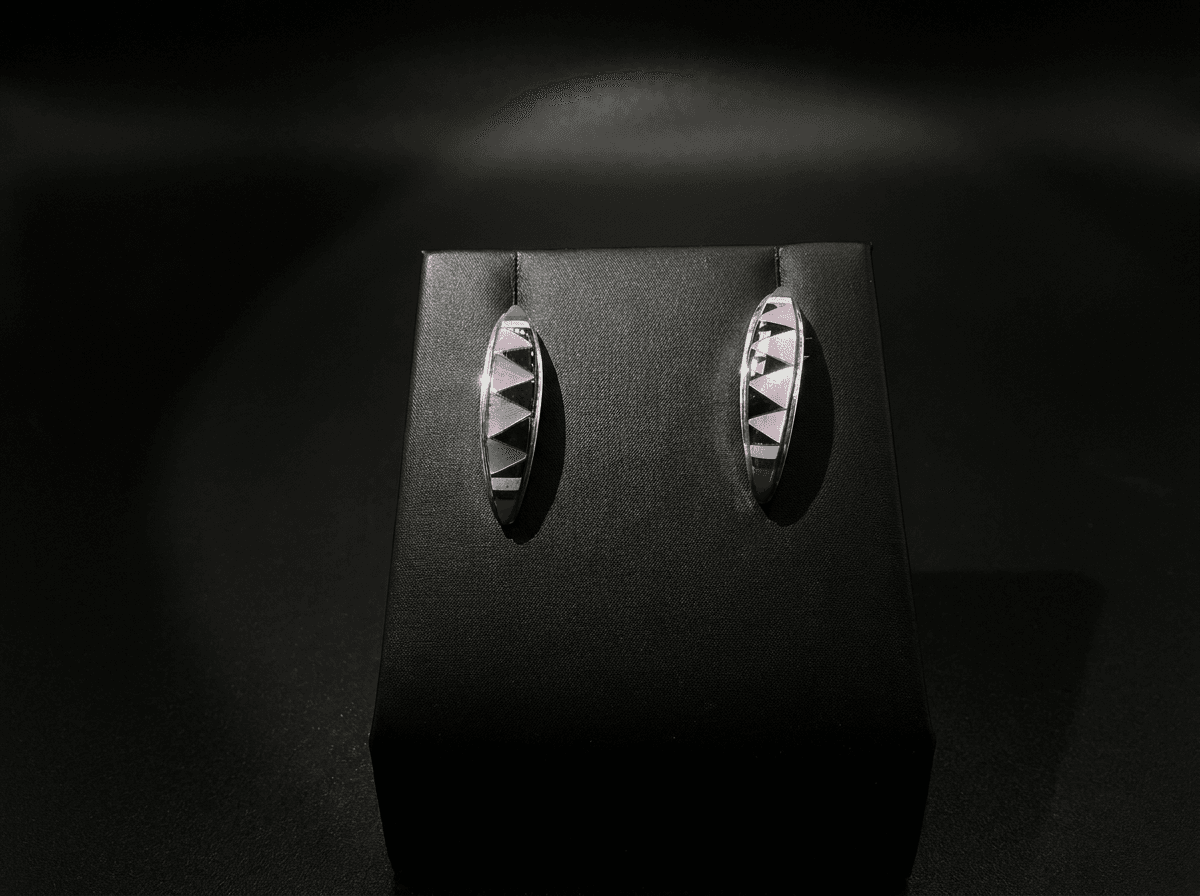
$255.00
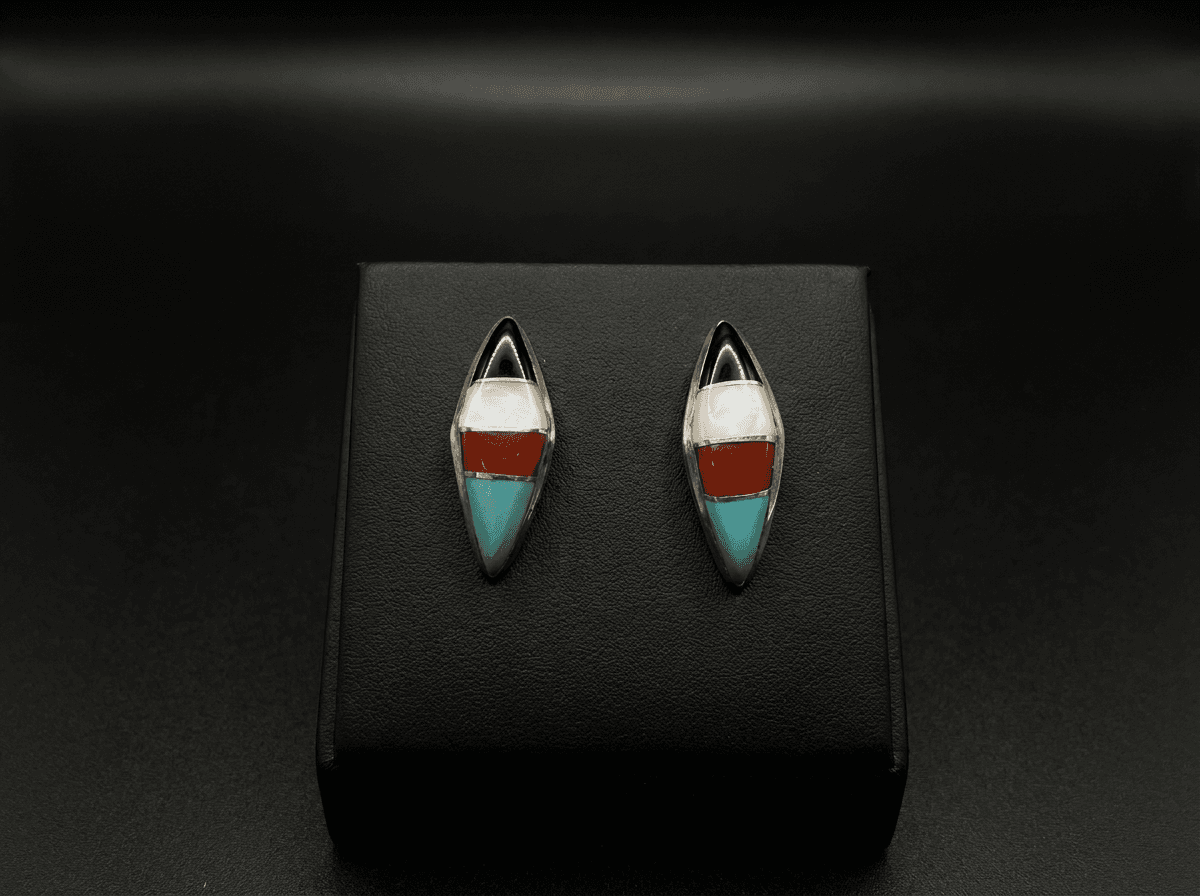
$155.00
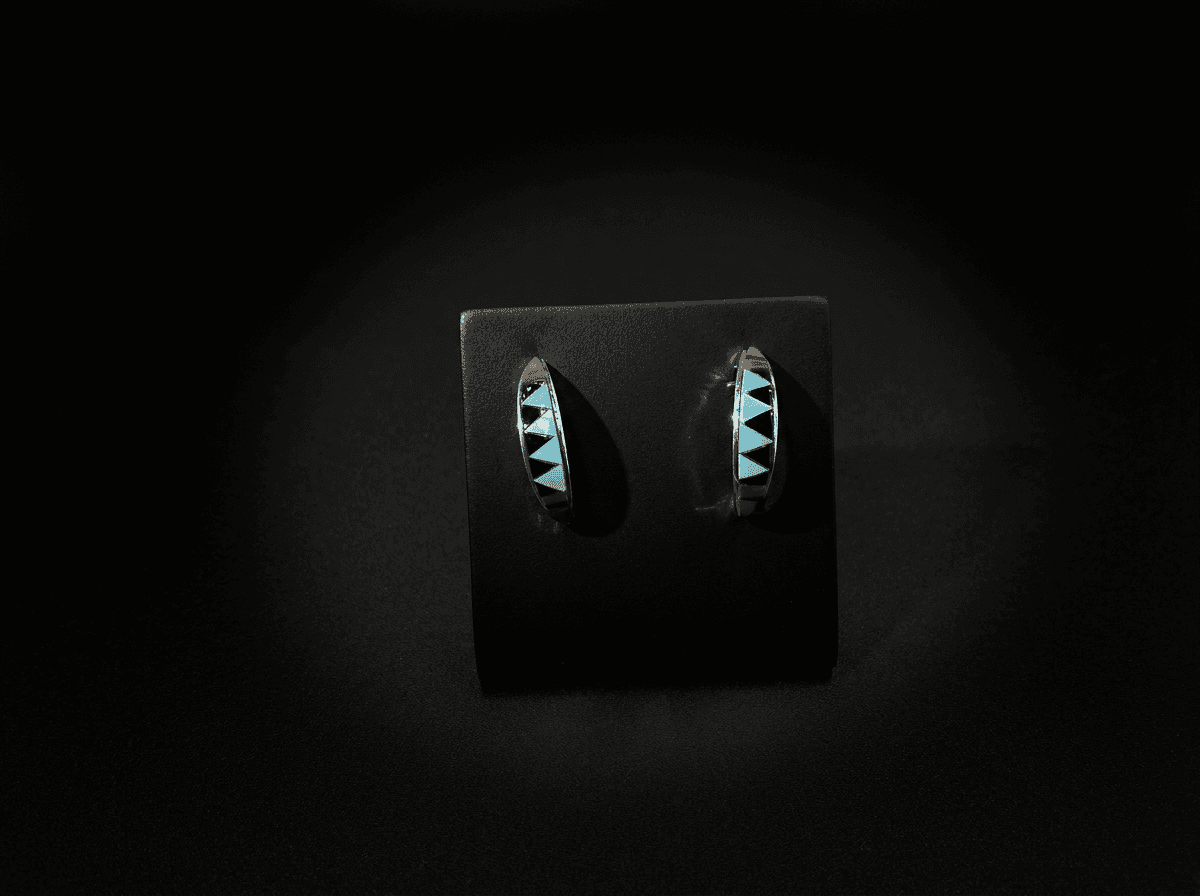
$255.00

$1,035.00

$435.00