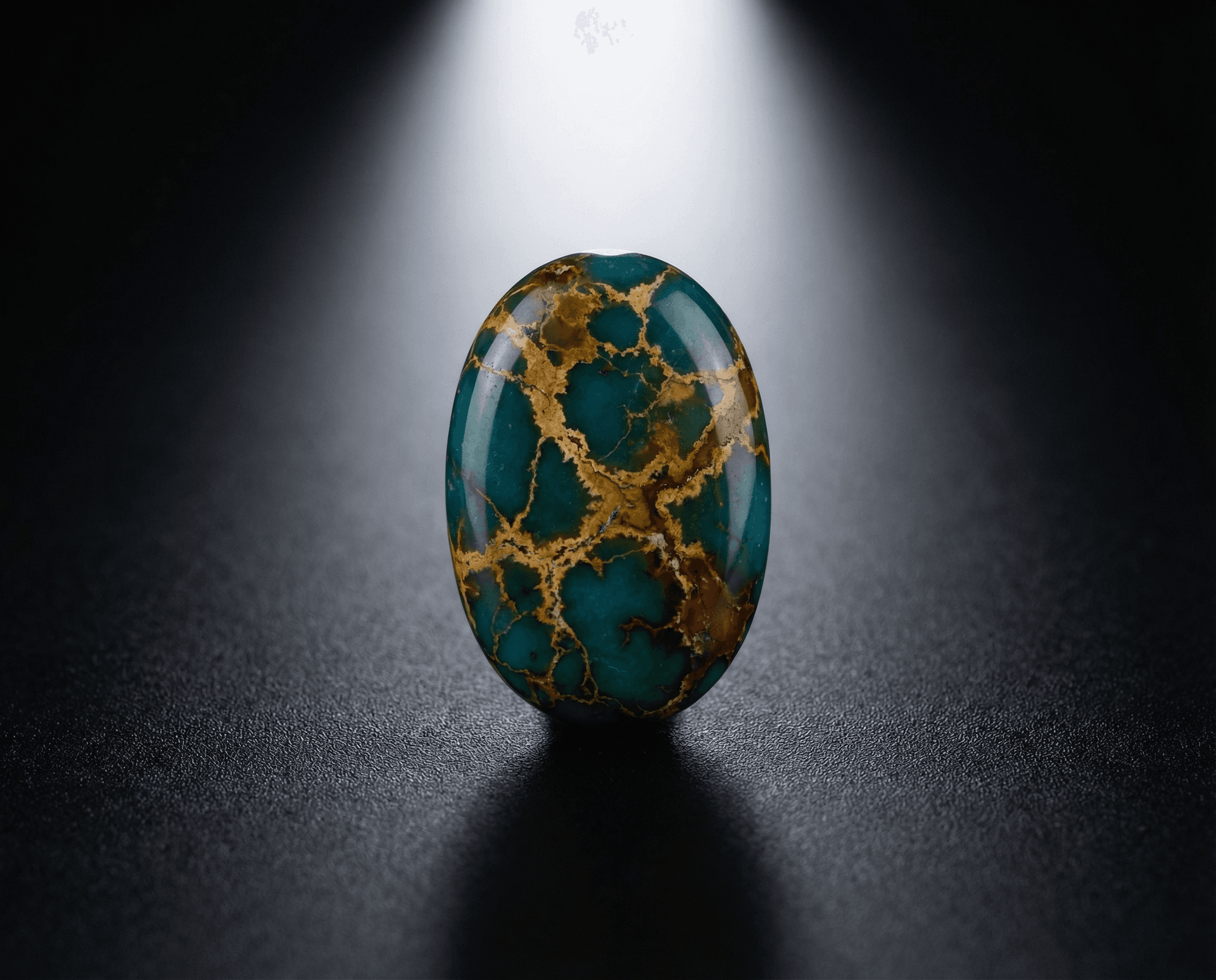
Number 8 turquoise from Nevada is among the most coveted and collectible of all American turquoise, famous for its dramatic golden-brown to black spiderweb matrix over blue-green stone. The original mine is closed, so genuine Number 8 is rare and highly prized.
This collection includes Native American–made and Southwestern-style pieces; each piece's own page states its origin where it is known.
HistoryThe Number 8 mine in Eureka County, Nevada, produced turquoise from the early twentieth century until the deposit was exhausted and the area was absorbed into gold-mining operations in the 1970s. In its day it yielded some of the most distinctive spiderweb turquoise ever found.
Because no new Number 8 has been mined for decades, existing stones — and the vintage Native American pieces set with them — are considered important collector's items, and high-grade spiderweb cabochons can be extraordinarily valuable.
Number 8's bold, high-contrast webbing made it a showpiece stone, set as the centerpiece of important Navajo and Zuni pieces where the matrix itself is the design. Old pawn and vintage jewelry featuring Number 8 is sought by collectors worldwide.
As turquoise, it shares the sky stone's protective significance, with the added weight of scarcity and provenance.
Number 8 is best known for its matrix: fine to chunky webbing in golden brown, amber, and black, set against blue to blue-green stone. That dramatic, well-defined spiderweb — rather than color alone — is its signature and the chief driver of its value.
Quality is judged by the tightness and contrast of the web and by the hardness of the stone; the finest Number 8 is natural and untreated.
Given its rarity, care for Number 8 turquoise meticulously. Keep it dry and away from perfume, lotion, sunscreen, and chemicals, remove it before any water activity, and store it on its own. Clean only with a soft, dry cloth.
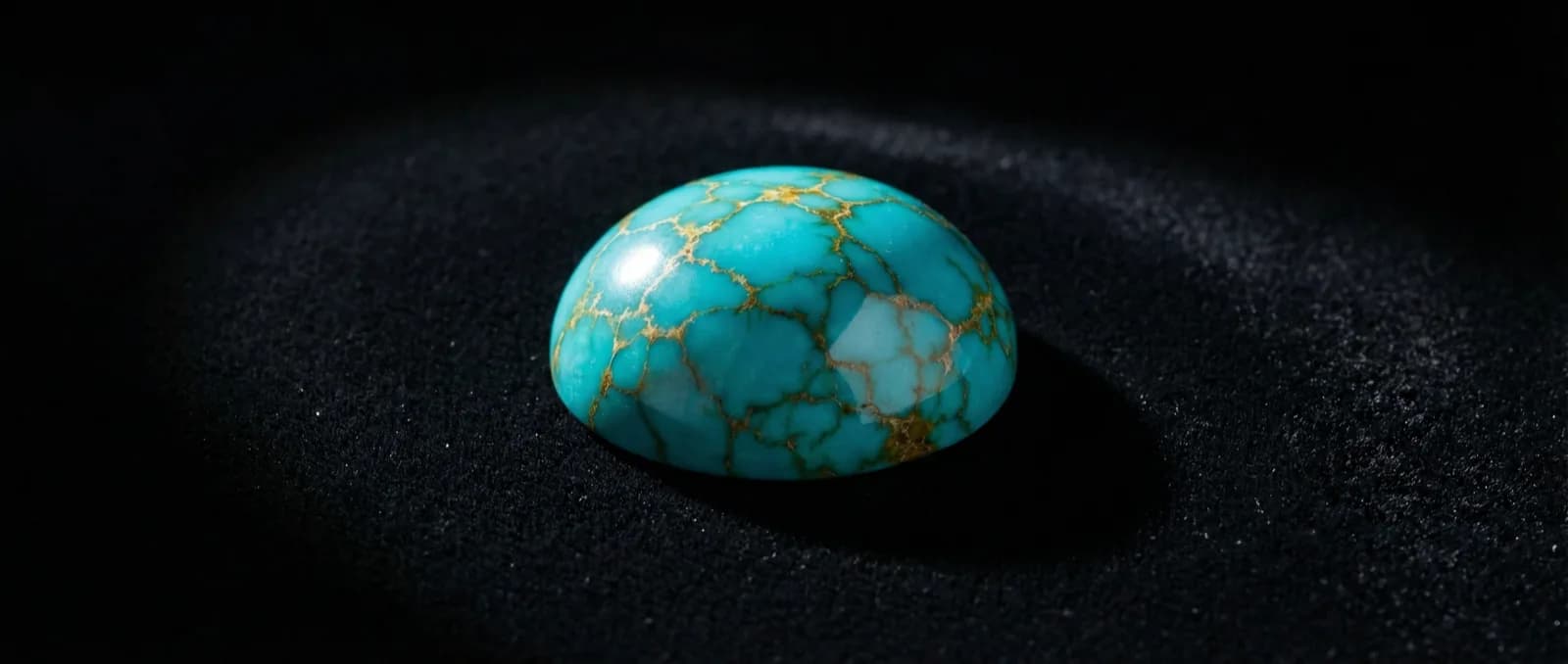
Mined from a single claim in Lander County, Nevada, Number 8 turquoise is distinguished by its striking golden-brown spider-web matrix against sky-blue to blue-green body color. With the mine closed since 1976, Number 8 commands premium collector prices and remains one of the most recognizable and sought-after American turquoise varieties in the market today.
Read Article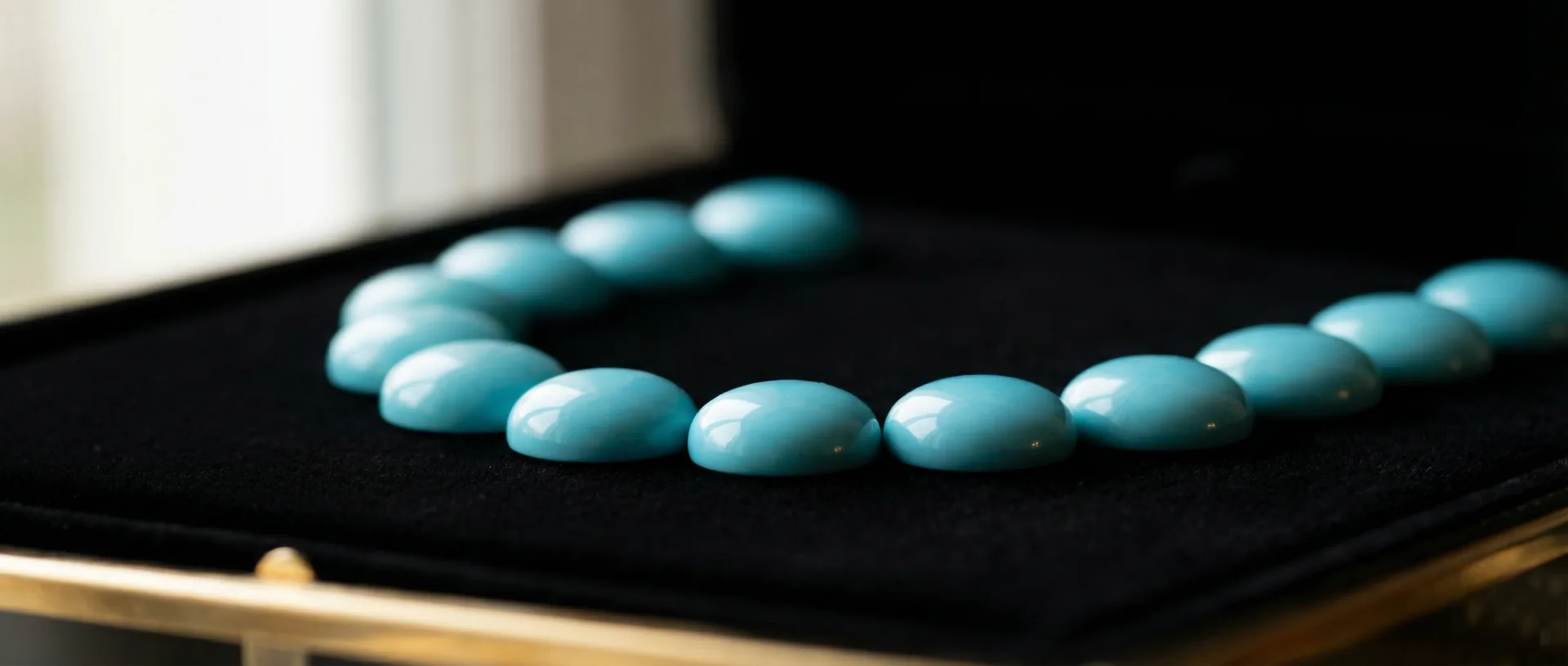
From its discovery in the copper-rich hills near Globe, Arizona in the 1920s to the mine's permanent closure in 2012, Sleeping Beauty turquoise has undergone a transformation from abundant commercial stone to one of the most coveted minerals in the gemological world, with no new material produced since the final extraction.
Read ArticleThis collection includes Native American–made and Southwestern-style pieces; each piece's own page states its origin where it is known.

$355.00

$245.00

$245.00

$355.00

$245.00

$975.00

$375.00

$599.00