Master lapidaries of the Southwest — Zuni needlepoint, petit point, channel inlay, and carved fetishes where the stone, not the silver, leads.
Zuni Pueblo · Halona:wa, western New MexicoThe Zuni — A:shiwi in their own language — have lived along the Zuni River in western New Mexico for thousands of years. Their pueblo, Halona:wa, "the Middle Place," is one of the oldest continuously inhabited communities in North America, and the Zuni remain among the most culturally intact of all the Pueblo peoples, sustaining one of the richest ceremonial calendars on the continent.
Long before metalworking arrived, the A:shiwi were accomplished lapidaries, cutting and shaping turquoise, shell, jet, and coral into beads, mosaic, and ornament. That inheritance shaped everything that followed. Silver came to Zuni in the 1870s, when a Zuni man named Lanyade learned the craft from the Navajo smith Atsidí Chon. But rather than adopt the heavy silver style of the Diné, the Zuni bent the new material to their own genius and made the stone itself the subject of the jewelry.
The decades around 1920 to 1950 were decisive. Working in part through the trader C. G. Wallace, whose post operated at Zuni from the 1920s, A:shiwi artisans developed and refined the lapidary specialties that define the tradition today: needlepoint, petit point, cluster work, channel inlay, and intricate figural inlay. Silver became, in Zuni hands, the precise framework that holds an elaborate composition of stones.
By the mid-twentieth century, Zuni jewelry was celebrated worldwide for a delicacy and precision unmatched in Native metalwork. That reputation endures, carried forward by families who have specialized in particular techniques for generations.
Zuni jewelry is a triumph of patience and precision. Where Navajo work celebrates silver, Zuni work celebrates the stone — turquoise, coral, jet, white shell, mother-of-pearl, and spiny oyster cut and fitted with a watchmaker's exactness into compositions of extraordinary delicacy. This palette of stone against stone, rather than stone against bold silver, is the signature of A:shiwi lapidary art.
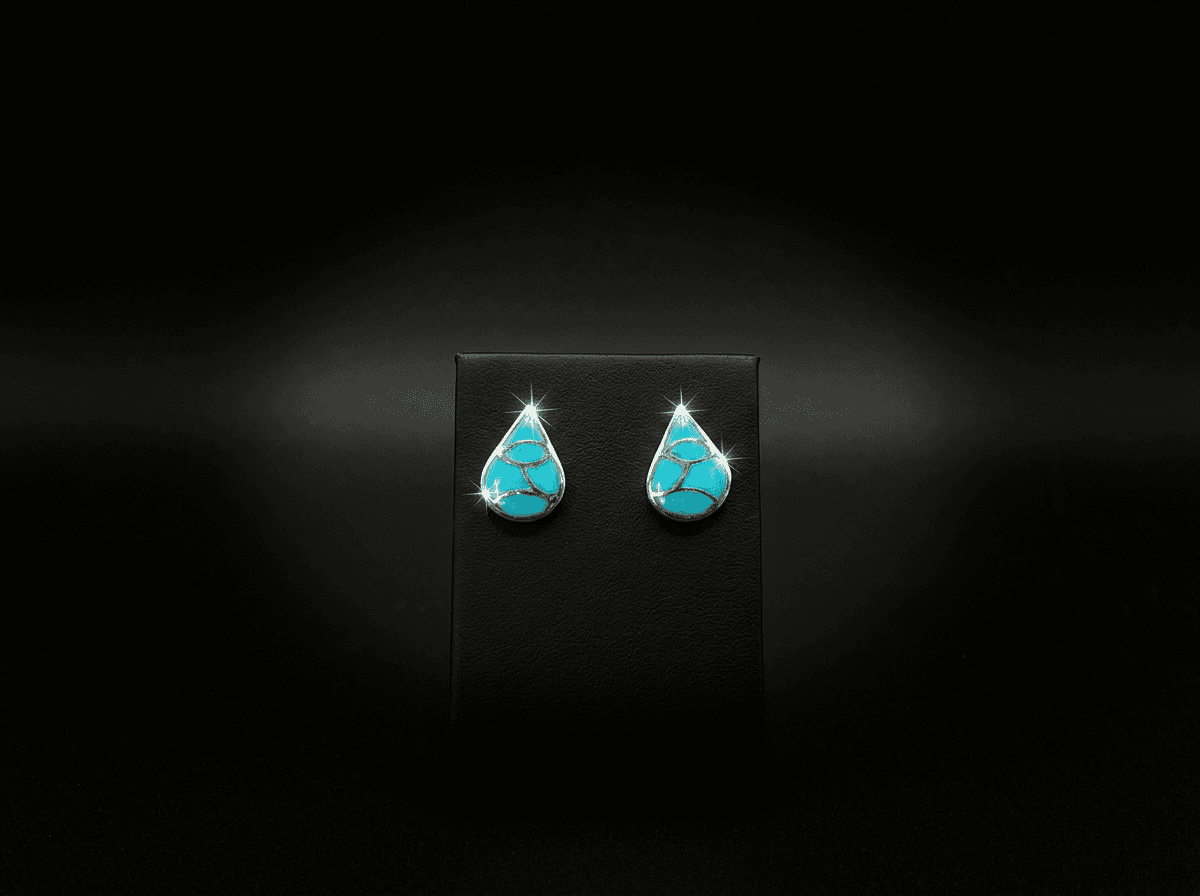
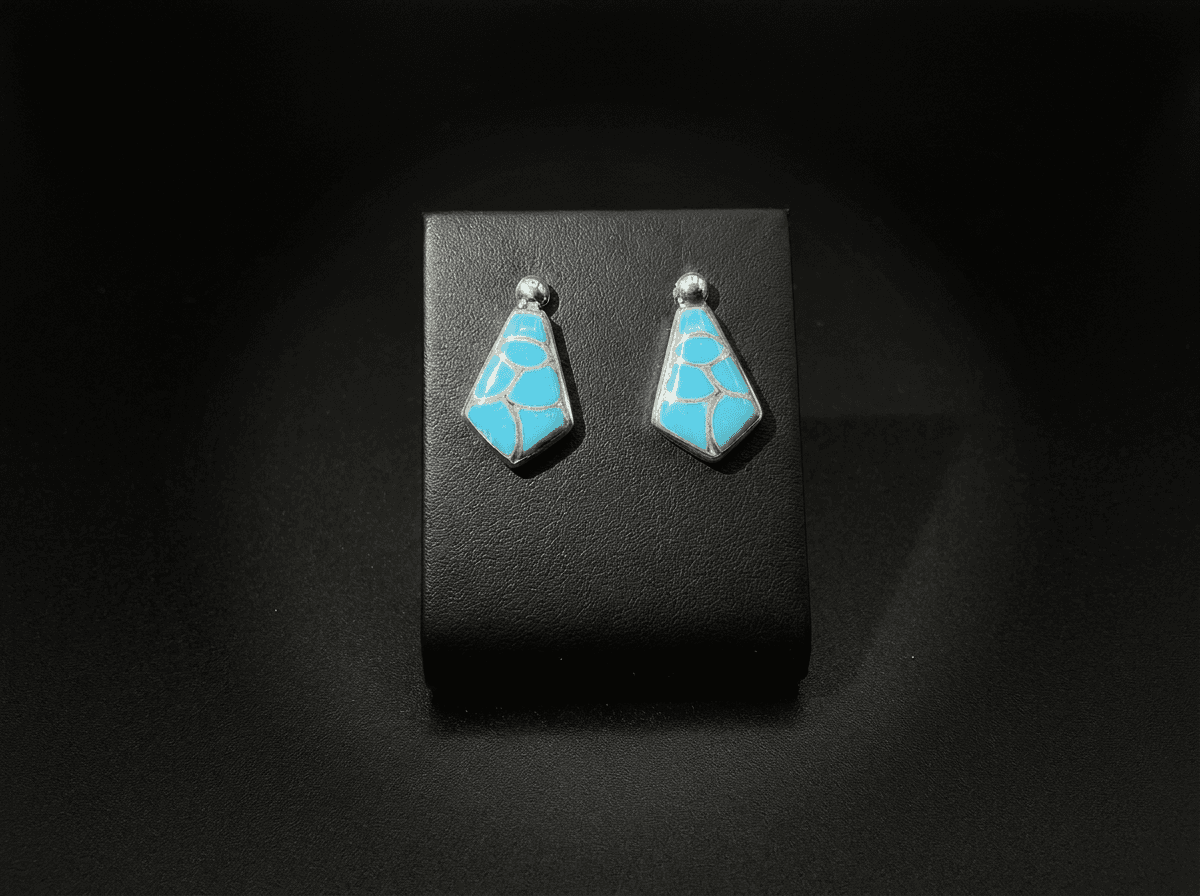
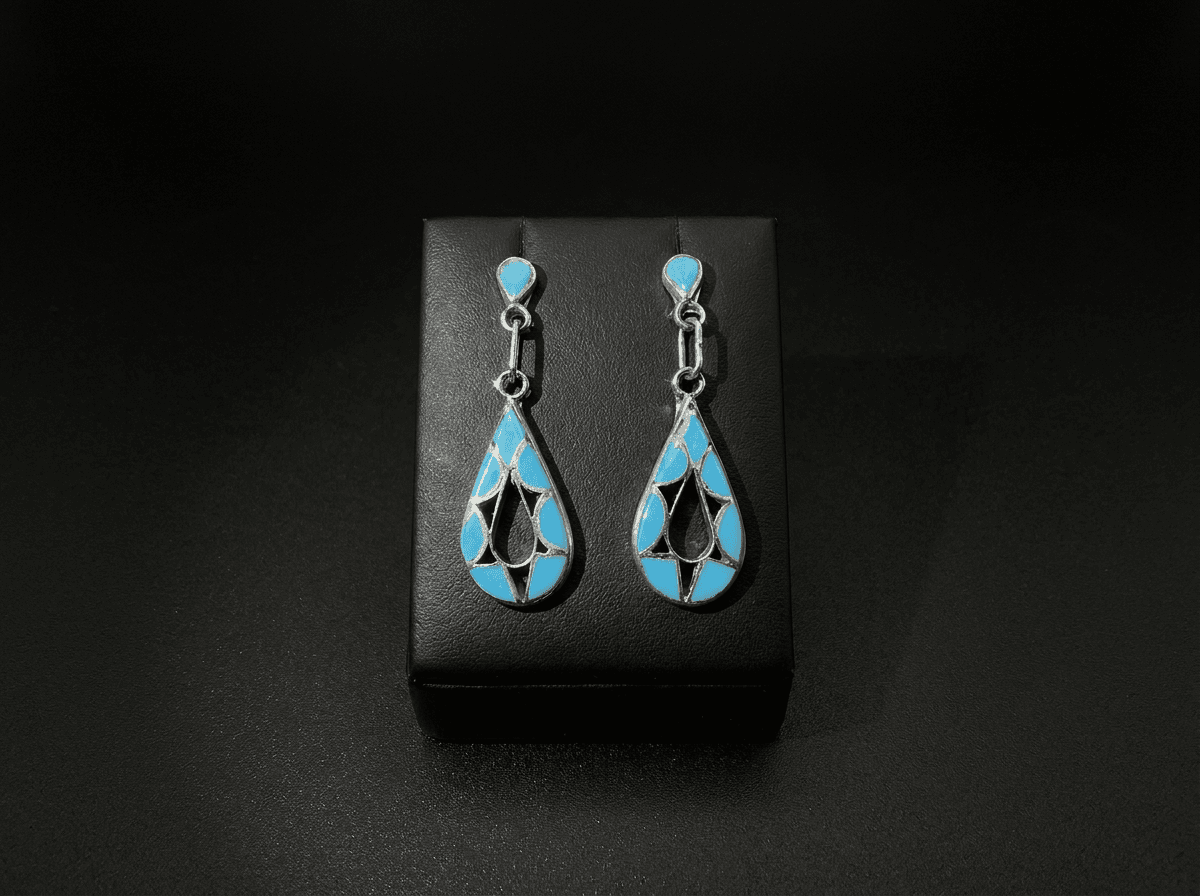
Needlepoint sets slender, pointed cabochons in radiating rows, each in its own thin bezel; petit point uses tiny teardrop and oval stones; cluster work arranges small matched cabochons into blossoms and rosettes. Channel inlay fits precisely cut stones into thin soldered silver dividers to build seamless mosaics, while raised inlay rounds and polishes the stones above the metal. These techniques often render Zuni's distinctive iconography — the Knifewing figure, the Rainbow Man, the Sunface, dragonflies, and birds.
The carved fetish is a tradition unto itself: small animal forms — bear, mountain lion, eagle, mole, frog, and more — carved from turquoise, serpentine, jet, shell, and pipestone, strung into multi-strand necklaces or set into pins. Fetish necklaces, with their rows of tiny carved creatures, are among the most recognizable and beloved of all Zuni creations, prized as much for their meaning as for their craft.
Color and composition matter as much as cut. The classic Zuni palette sets turquoise against the deep red of coral and spiny oyster, the black of jet, and the white of shell and mother-of-pearl, balancing them in symmetrical, almost architectural arrangements. A Sunface inlay, a cluster pin radiating matched cabochons, an inlaid Knifewing with outstretched wings, a needlepoint cuff fine as lace — each resolves into a jewel-like density and control in which the stone, not the metal, does the singing. Even the largest Zuni pieces achieve their impact through the accumulation of many small, perfectly fitted elements rather than through bold silver mass.
Zuni artistry is inseparable from Zuni religious and communal life. The animal forms rendered in fetish carving correspond to the directional guardians and beings of A:shiwi cosmology — the six directions, each with its color and its protector — and fetishes hold a place in Zuni spiritual practice that long predates their making for sale. The pieces offered to the public are made with care to honor, rather than expose, what remains sacred.
The Zuni have sustained their ceremonial calendar — including the great Shalako observance — through centuries of outside pressure, and adornment plays its part in that ceremonial life. Jewelry-making, meanwhile, became a cornerstone of the pueblo's economy in the twentieth century, and today a large share of Zuni households practice some aspect of the craft.
Lapidary skill at Zuni is typically a family inheritance. Households often specialize — one family known for needlepoint, another for inlay, another for fetish carving — with techniques and standards passed from one generation to the next at the workbench. Humiovi honors the spiritual and familial dimension of Zuni work, presenting these pieces as the achievements of named artisans and living lineages, not as anonymous craft.
This concentration of skill has made Zuni one of the most artistically productive communities in the Native world, with a depth of specialized knowledge — the cutting of a particular bezel, the carving of a particular fetish form, the fitting of a particular inlay — that is genuinely rare and not easily replaced. When that knowledge passes from a parent to a child at the bench, an entire body of technique and judgment moves with it. To buy authentic Zuni jewelry is, in a direct sense, to support the continuation of that living knowledge and the families who hold it.
Zuni lapidary demands a precision few traditions attempt. For inlay, each stone is hand-ground to an exact shape on a grinding wheel — often held on a dop stick — and fitted into a channel or cell with seams so fine the surface reads as a single continuous image. A complex figural inlay may contain dozens of individually cut, fitted, and polished components in several colors of stone and shell.
Needlepoint and petit point multiply that labor enormously. Scores or even hundreds of tiny stones are cut to uniform size and shape, then each is set in its own hand-fabricated, frequently serrated ("sawtooth") silver bezel. The result is a glittering, lace-like field of stone that catches light from every angle — work that can take many days for a single piece and reveals its quality under magnification.
Fetish carving works subtractively: the carver reads the form latent in a piece of turquoise, serpentine, jet, or shell and releases it with file, drill, and polish, sometimes binding a tiny offering bundle of arrowhead, shell, or coral to the figure with sinew. Across all these techniques the silver is fabricated to serve the stone, not the reverse — soldered, sawn, and finished as a precise setting for the lapidary art it frames.
Tools have evolved — electric grinding wheels and rotary tools now do work once done entirely by hand — but the defining skill remains human. It is the steadiness to grind a stone to a hair's tolerance, the eye to match a long row of cabochons in size and color, and the judgment to assemble dozens or hundreds of small parts into a flawless, seamless whole. This hand skill, not the equipment, is what separates fine Zuni lapidary from imitation, and it is why the best work rewards examination under magnification, where the precision of the cutting and setting becomes fully visible.
Authenticating Zuni jewelry is largely a matter of looking closely at the stonework. Genuine needlepoint and petit point show hand-cut stones of slightly varying character, each in its own bezel, with the silver bezels themselves hand-formed; true channel and figural inlay reveal fine, even seams and natural stone with real depth and matrix. Plastic "block" turquoise, printed or epoxy mosaic, and rows of perfectly identical stones signal mass production rather than A:shiwi handwork.
Because so much Zuni work is lapidary, the materials matter. The classic Zuni inlay palette — turquoise, coral, jet, and white shell or mother-of-pearl — should be natural stone and shell; ask whether turquoise is natural, stabilized, or reconstituted. Carved fetishes should show hand-carving and natural material, not molded resin.
Many Zuni artists sign their work, and certain families and styles are extensively documented by collectors and museums, including the historic C. G. Wallace collections. As with all Native art, the Indian Arts and Crafts Act of 1990 protects the integrity of the term "Zuni-made," reserving it for the genuine work of enrolled tribal members. Each Zuni piece at Humiovi is genuine, artist-made work and arrives with a Certificate of Authenticity for you to keep. We are glad to discuss the maker, the technique, and the materials behind any piece.
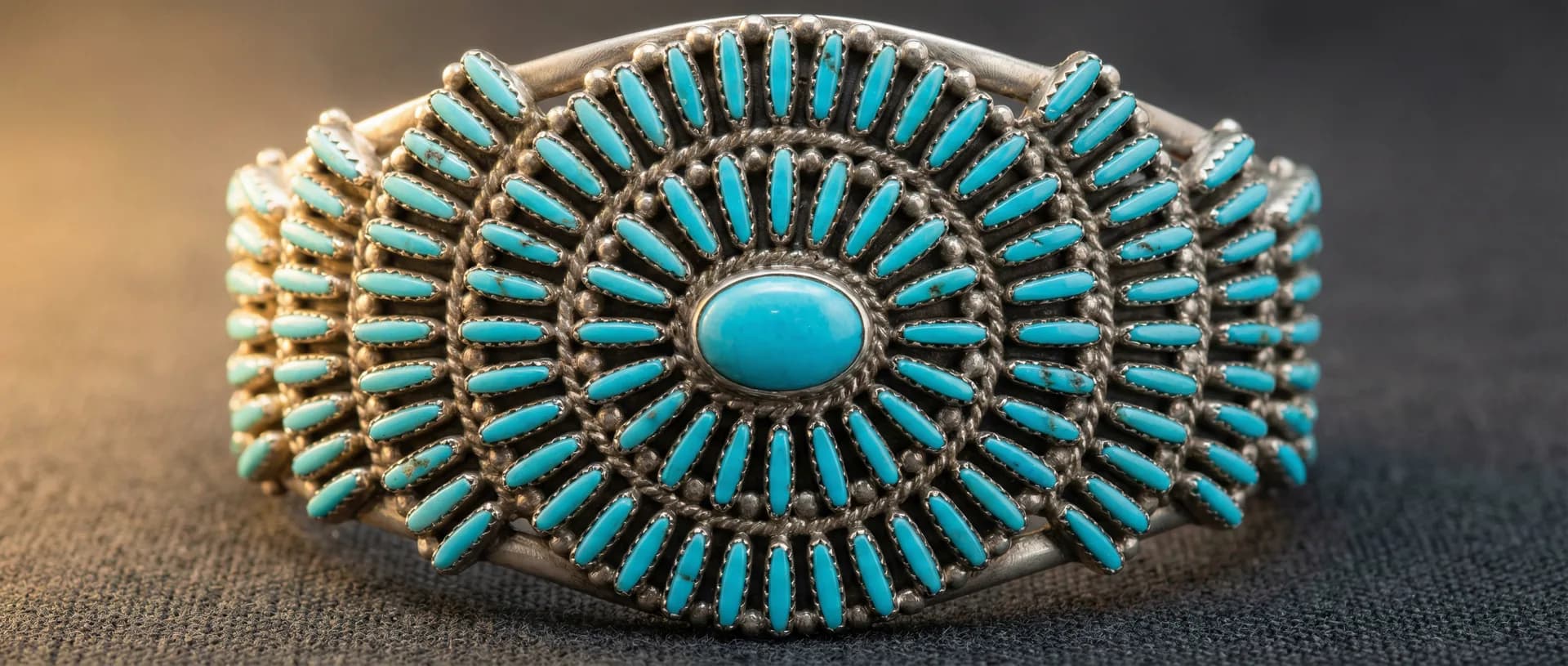
Zuni Pueblo, New Mexico has produced some of the most technically demanding stonework in the history of world jewelry. Needlepoint — the art of cutting and setting long, thin, pointed turquoise stones — and its companion technique petit point require lapidary precision measured in fractions of a millimeter, passed through families like the Dishta, Quam, and Leekya across multiple generations.
Read Article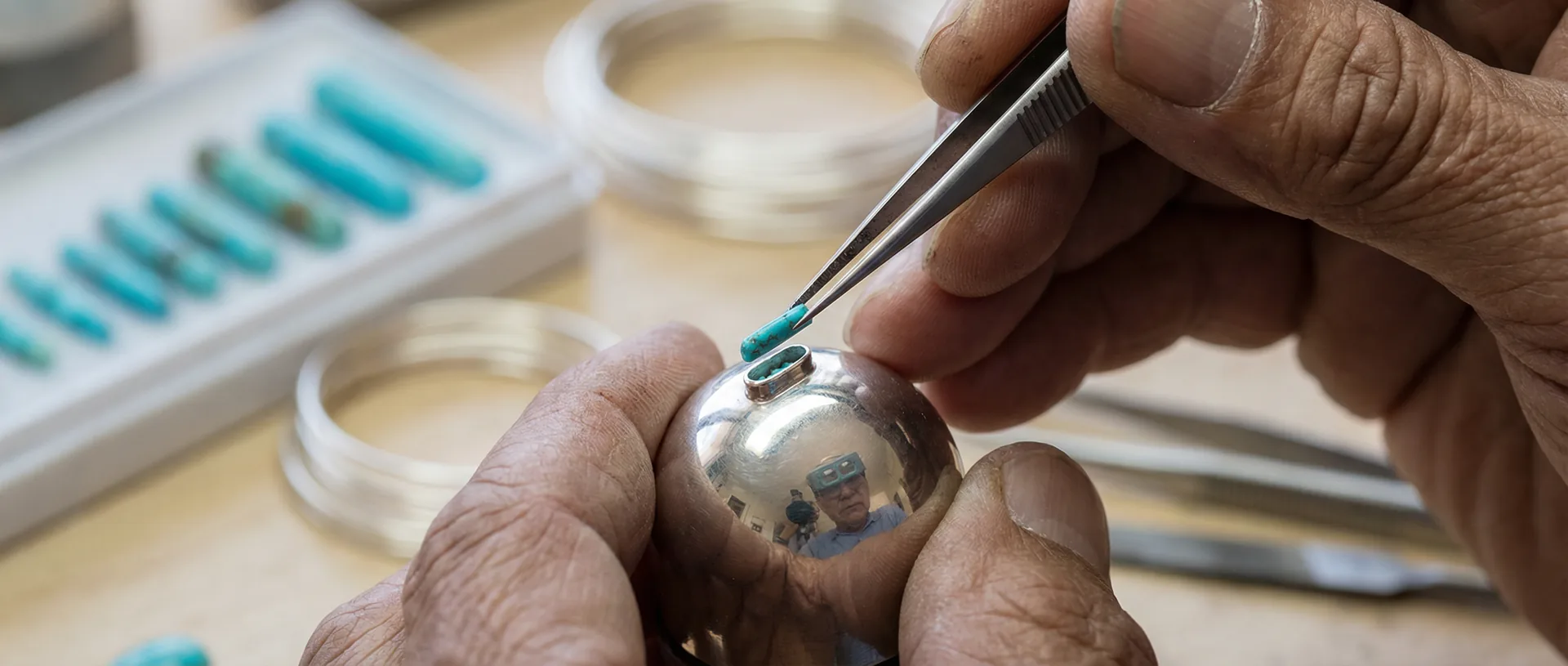
In the quiet precision of her Zuni Pueblo workshop, Lorraine Waatsa transforms raw turquoise, coral, and shell into the intricate needlepoint, petit point, and mosaic inlay patterns that have defined Zuni lapidary artistry for over a century. Her work carries forward the Zuni lapidary tradition while pushing the boundaries of what stone-on-silver composition can achieve.
Read Article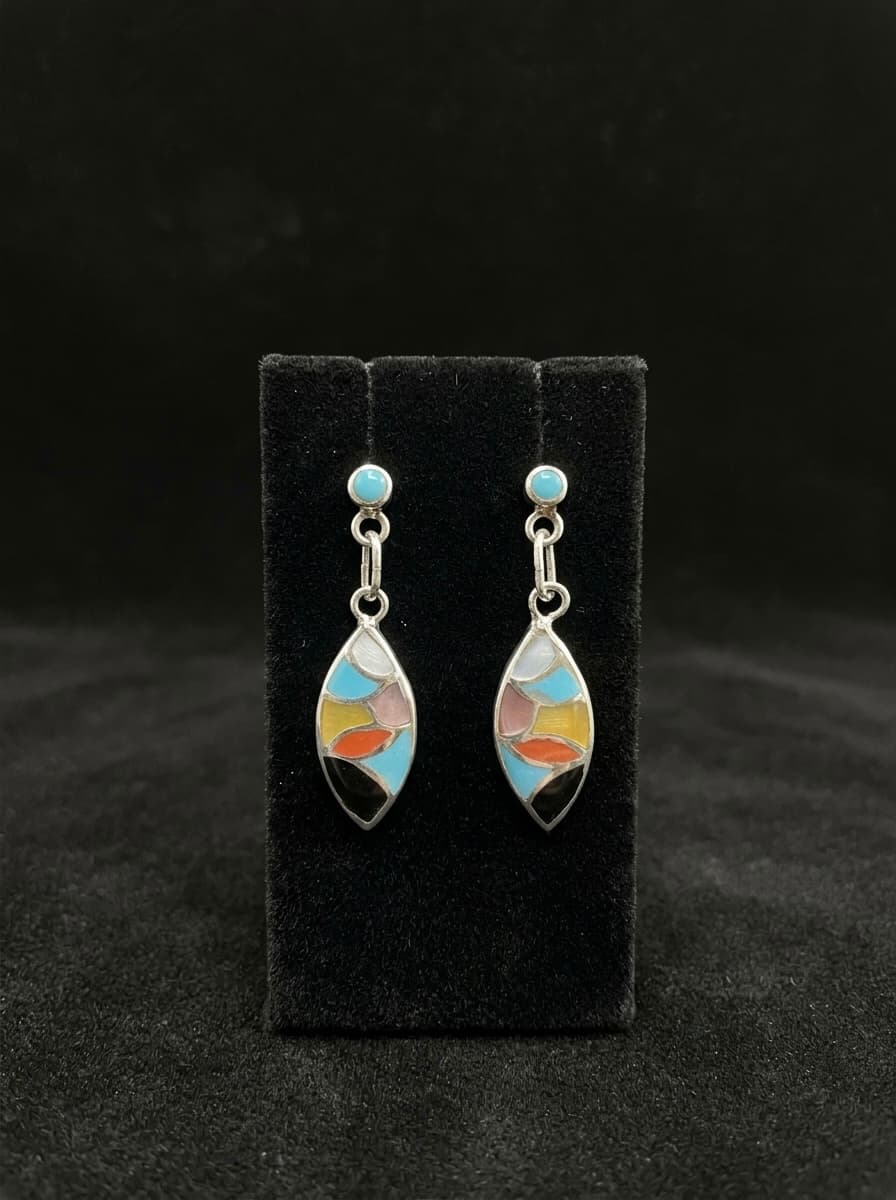
$220.00
$185.00
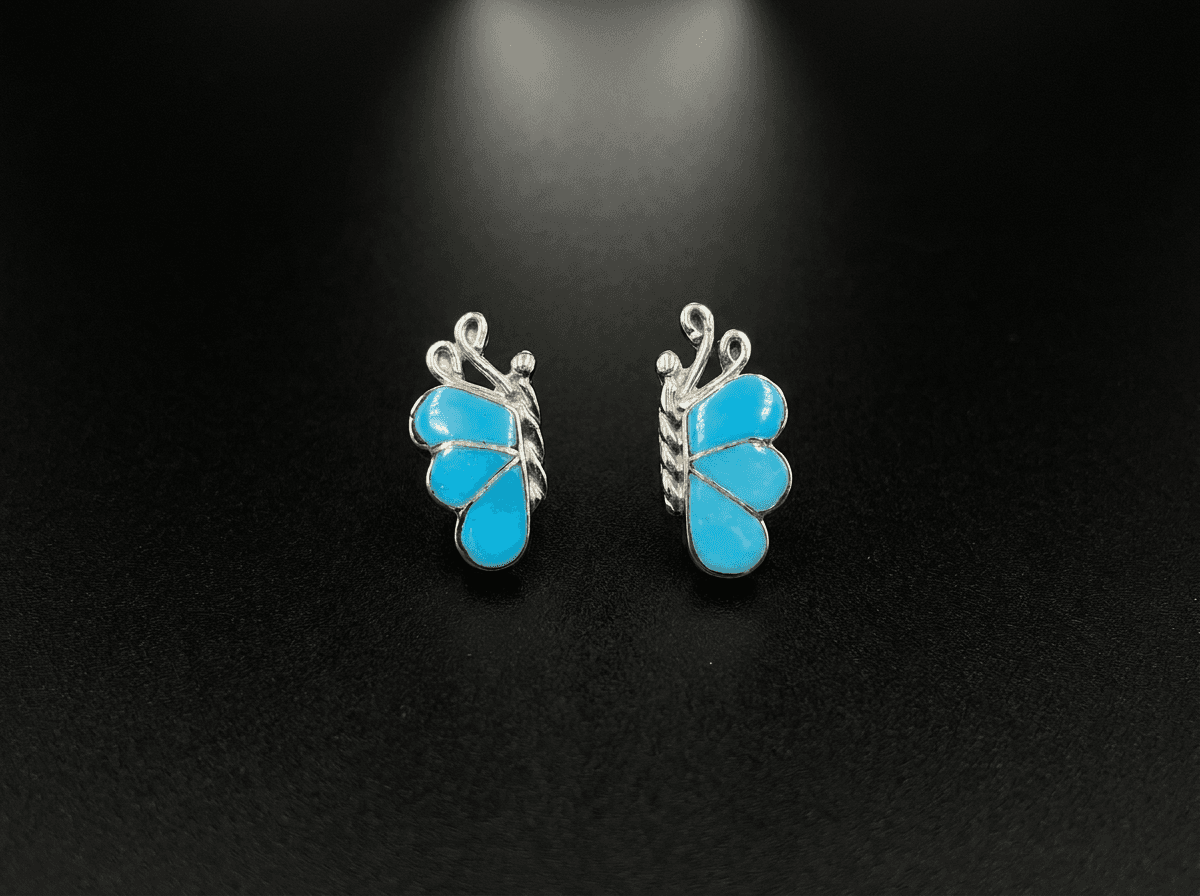
$155.00
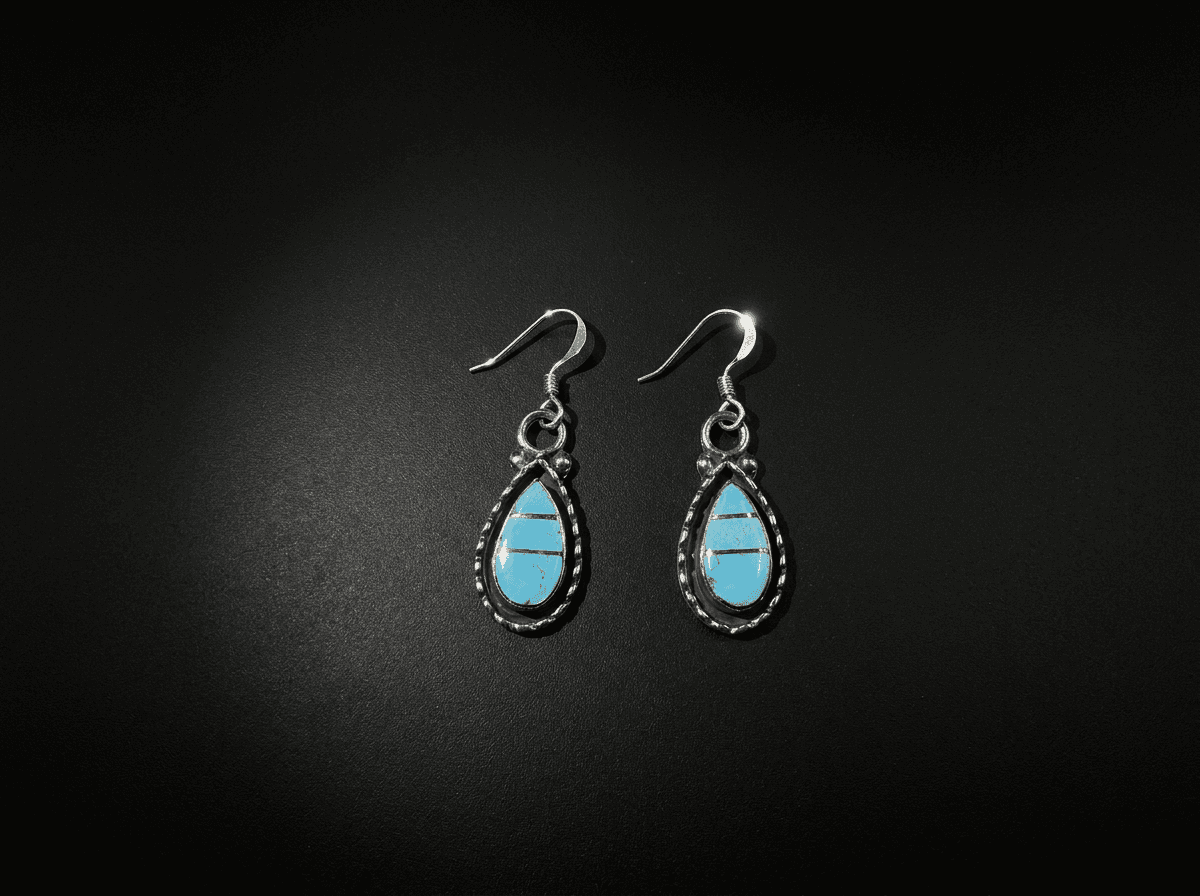
$245.00
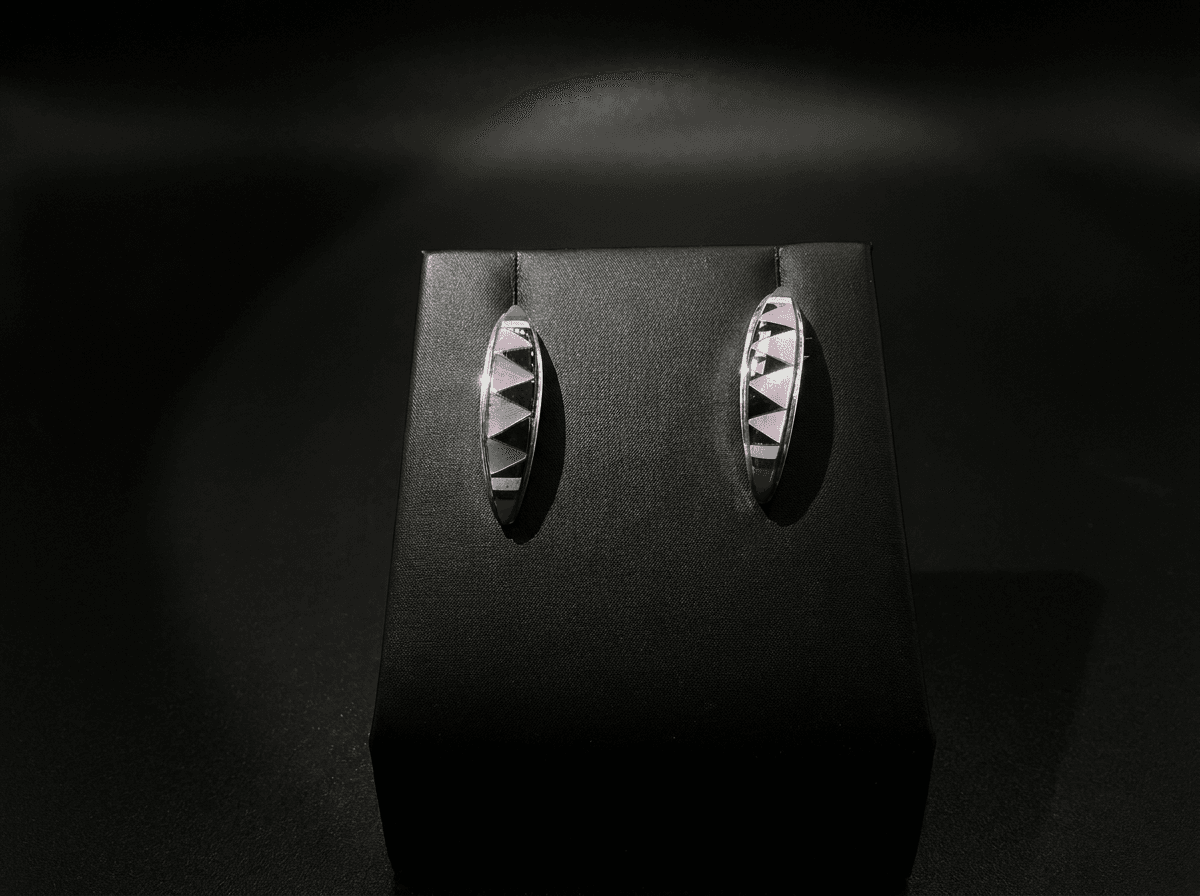
$255.00
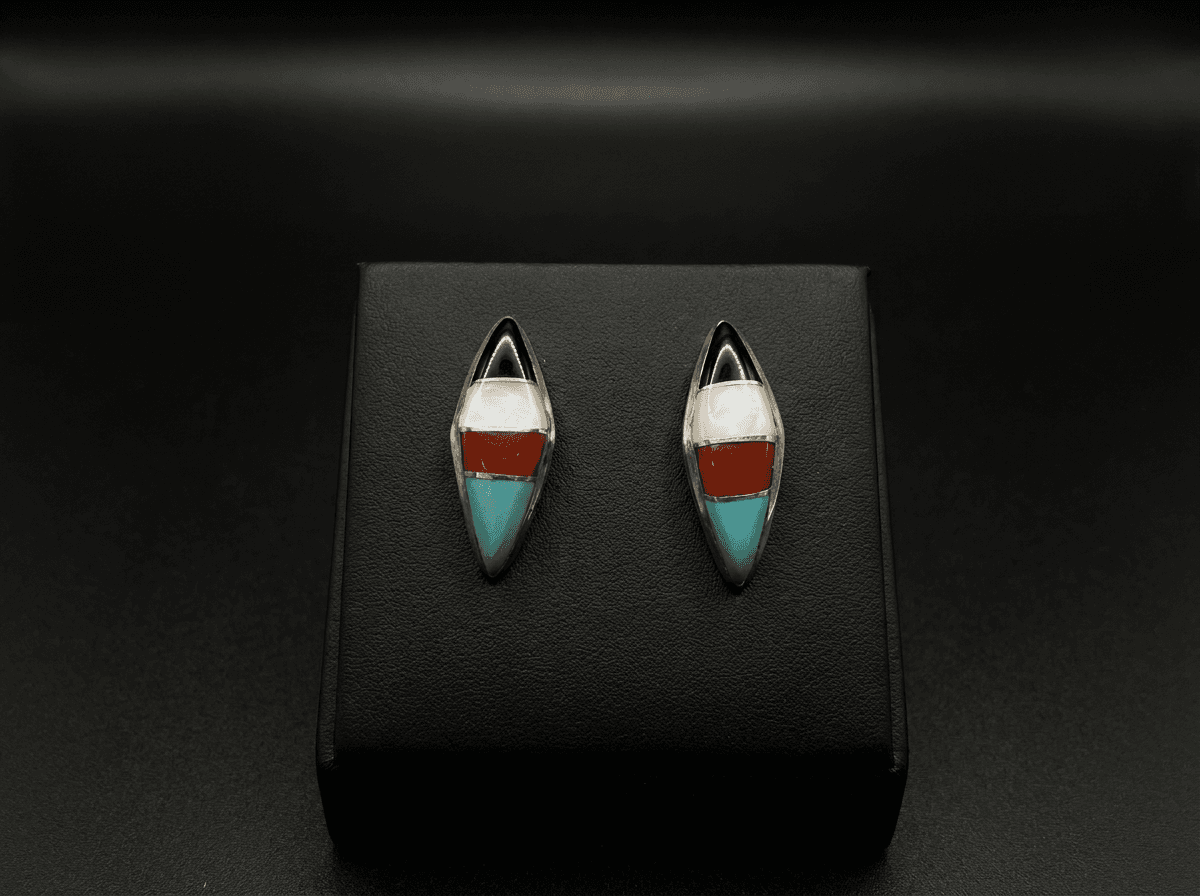
$155.00
$255.00
$245.00