Learn about Golden Hills Turquoise in Native American–made and Southwestern-style jewelry: its history, geology, and care.
This collection includes Native American–made and Southwestern-style pieces; each piece's own page states its origin where it is known.
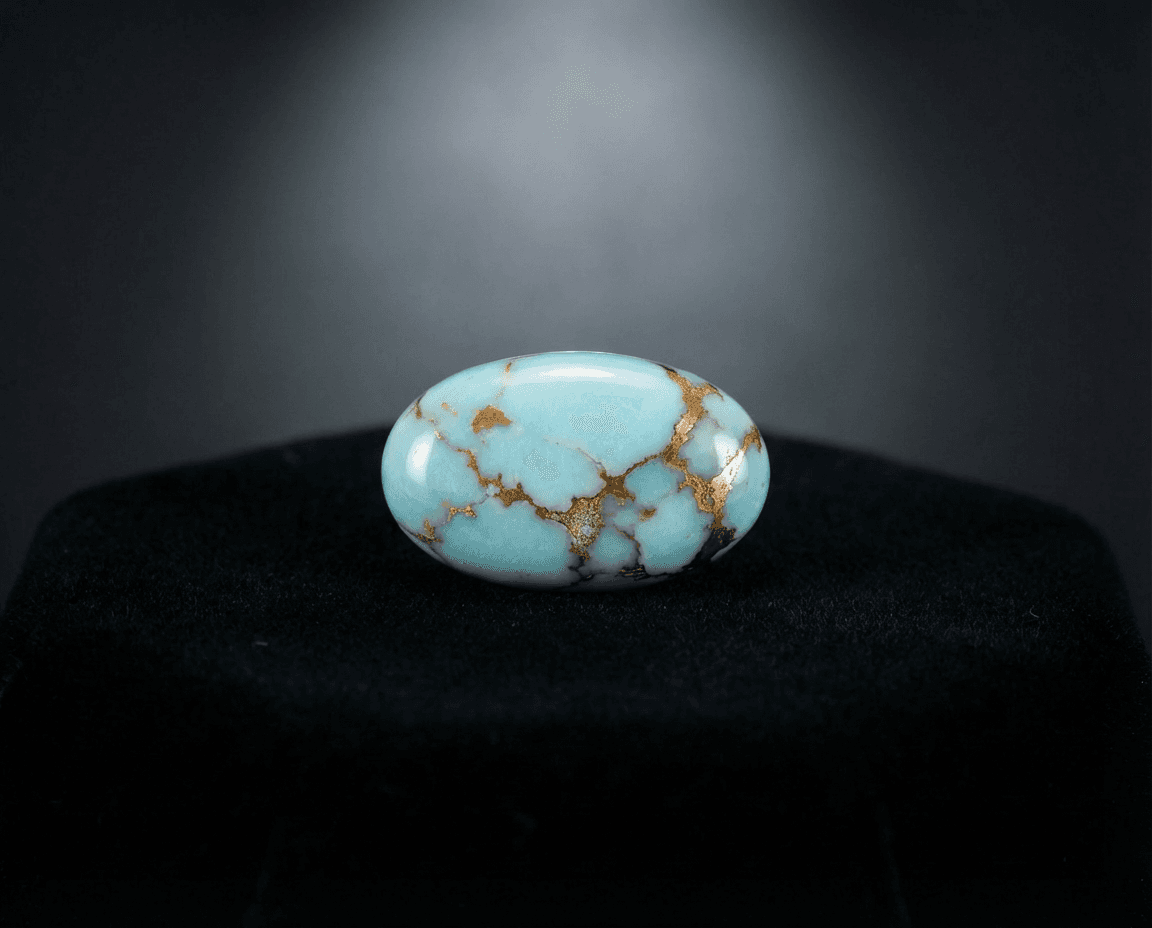
HistoryGolden Hills turquoise is sourced from Central Asia rather than the American Southwest, yet it has been readily adopted by Southwestern silversmiths for its uncommon light-blue body and fine lavender web. That choice reflects a long tradition of Native artists selecting the finest available stone, wherever it is found — the same impulse that brought Persian turquoise into older pieces.
Its gentle color makes it a striking choice for both contemporary and traditional inlay and cluster work, and because the deposit is limited, fine Golden Hills is treated as a premium material.
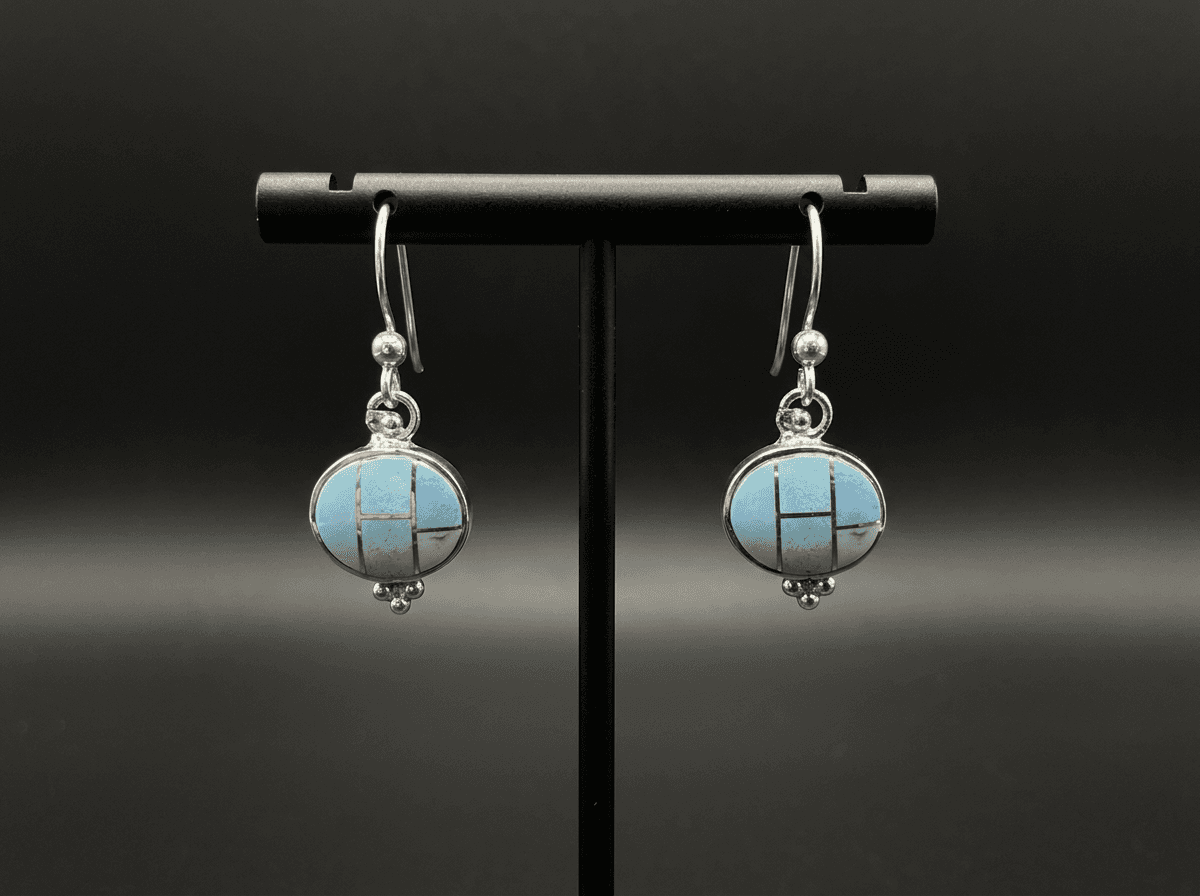
Golden Hills' soft blue and lavender matrix are favored in fine inlay and delicate cluster pieces, where its quiet color reads as refined and modern. It is often chosen by artists seeking a lighter palette than classic American turquoise — set in dainty needlepoint and petit-point clusters, or cut into calibrated stones for precise, repeating inlay. Its even color makes it especially suited to matched, multi-stone settings.
Golden Hills is a naturally hard turquoise with a characteristic even, powder-blue body and a subtle reddish-purple matrix — the lavender web rarely seen in other deposits. Like all turquoise it is a hydrated copper-aluminum phosphate formed near the surface in mineral-rich country, but its particular host rock lends the unusual matrix color.
Its natural hardness and consistency make it well suited to precise lapidary work and calibrated stones, and the best material takes a fine polish without stabilization.
Treat Golden Hills as you would all turquoise. Keep it away from water, perfume, lotion, sunscreen, and household chemicals, all of which can darken or discolor the stone over time, put jewelry on last, wipe it clean with a soft, dry cloth, and store each piece separately.
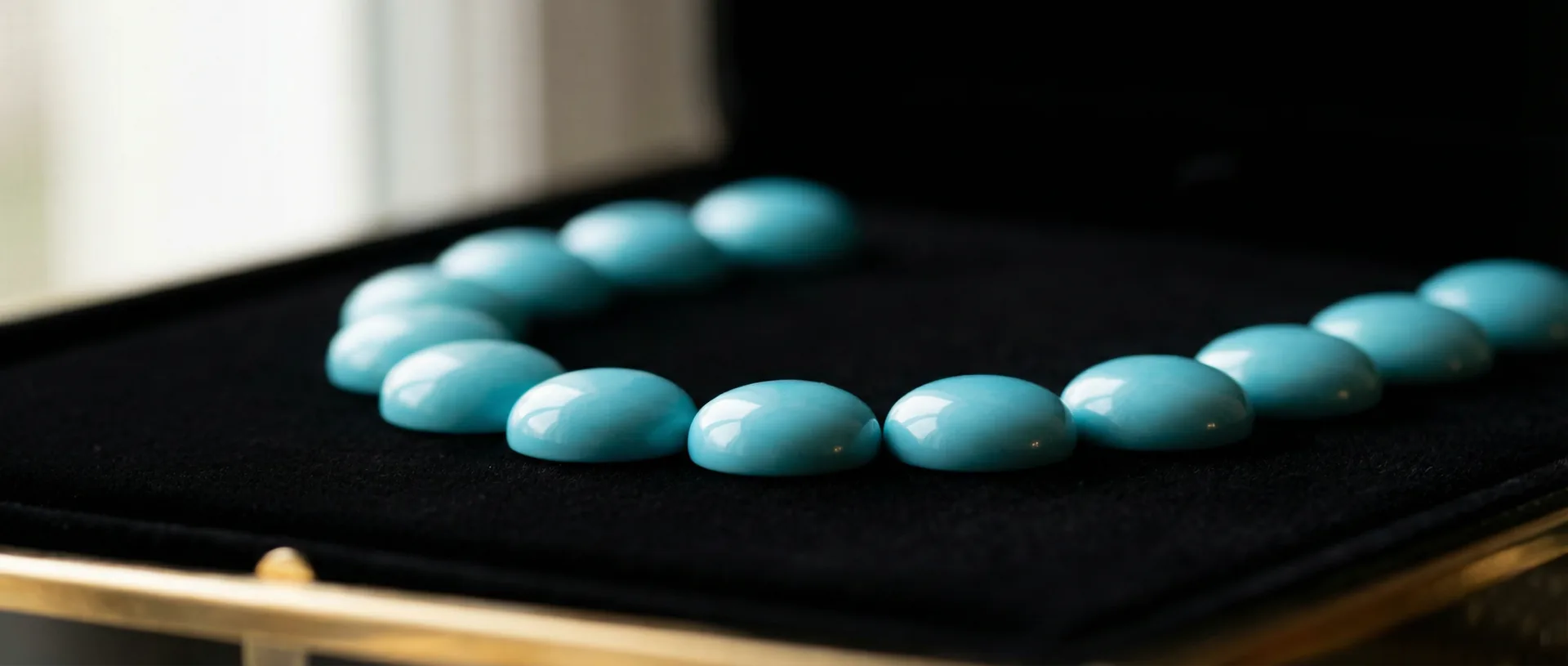
From its discovery in the copper-rich hills near Globe, Arizona in the 1920s to the mine's permanent closure in 2012, Sleeping Beauty turquoise has undergone a transformation from abundant commercial stone to one of the most coveted minerals in the gemological world, with no new material produced since the final extraction.
Read Article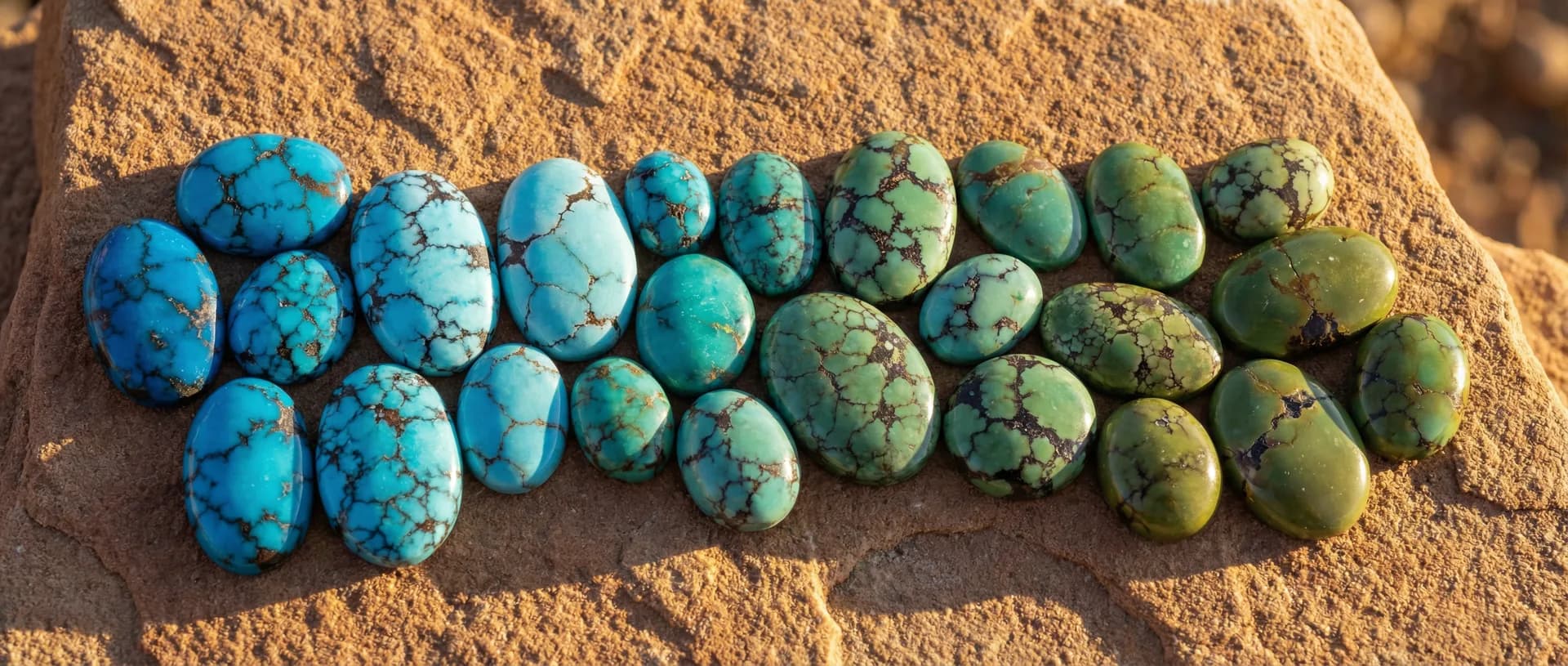
The Kingman mine in Mohave County, Arizona has operated continuously since the late nineteenth century, producing turquoise in a remarkable color range from sky blue to deep blue-green, with its spider-web matrix specimens ranking among the most valued turquoise in the world.
Read ArticleThis collection includes Native American–made and Southwestern-style pieces; each piece's own page states its origin where it is known.
$275.00
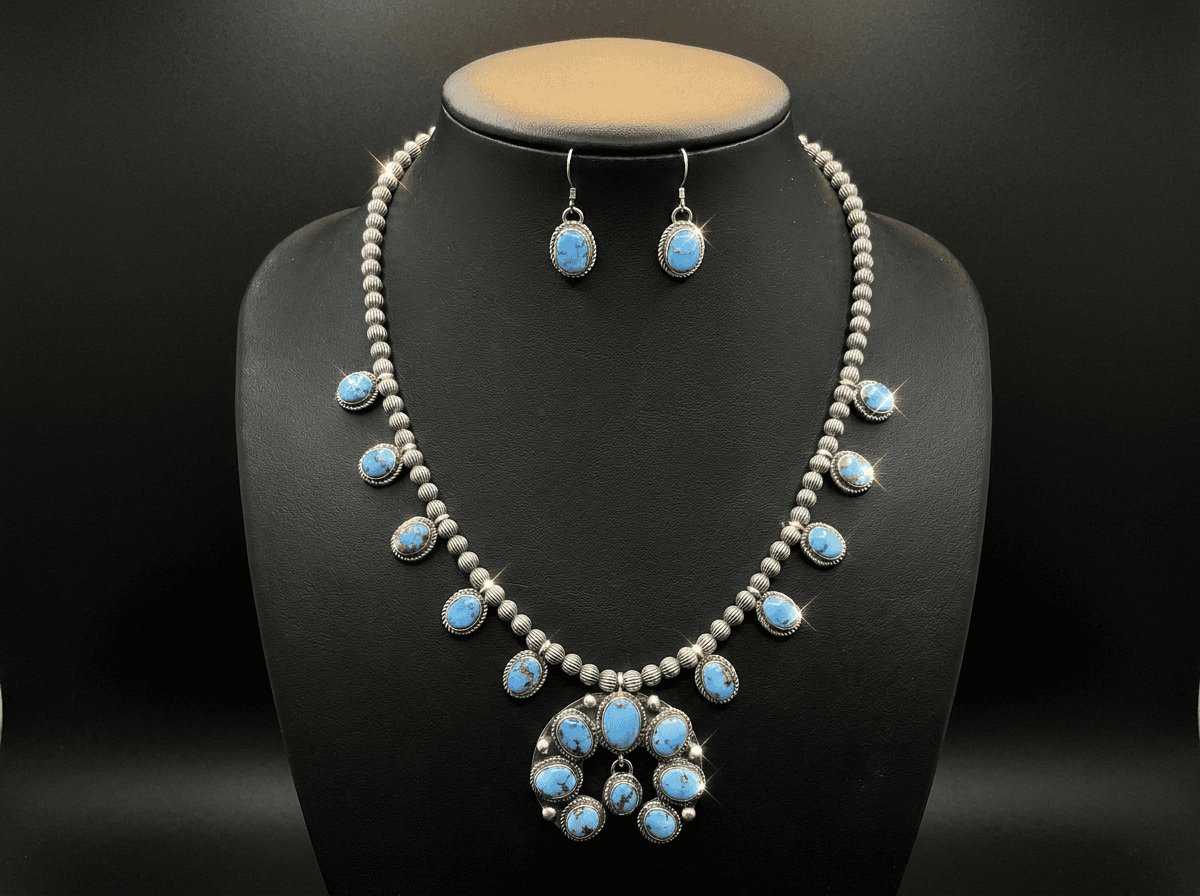
$2,650.00
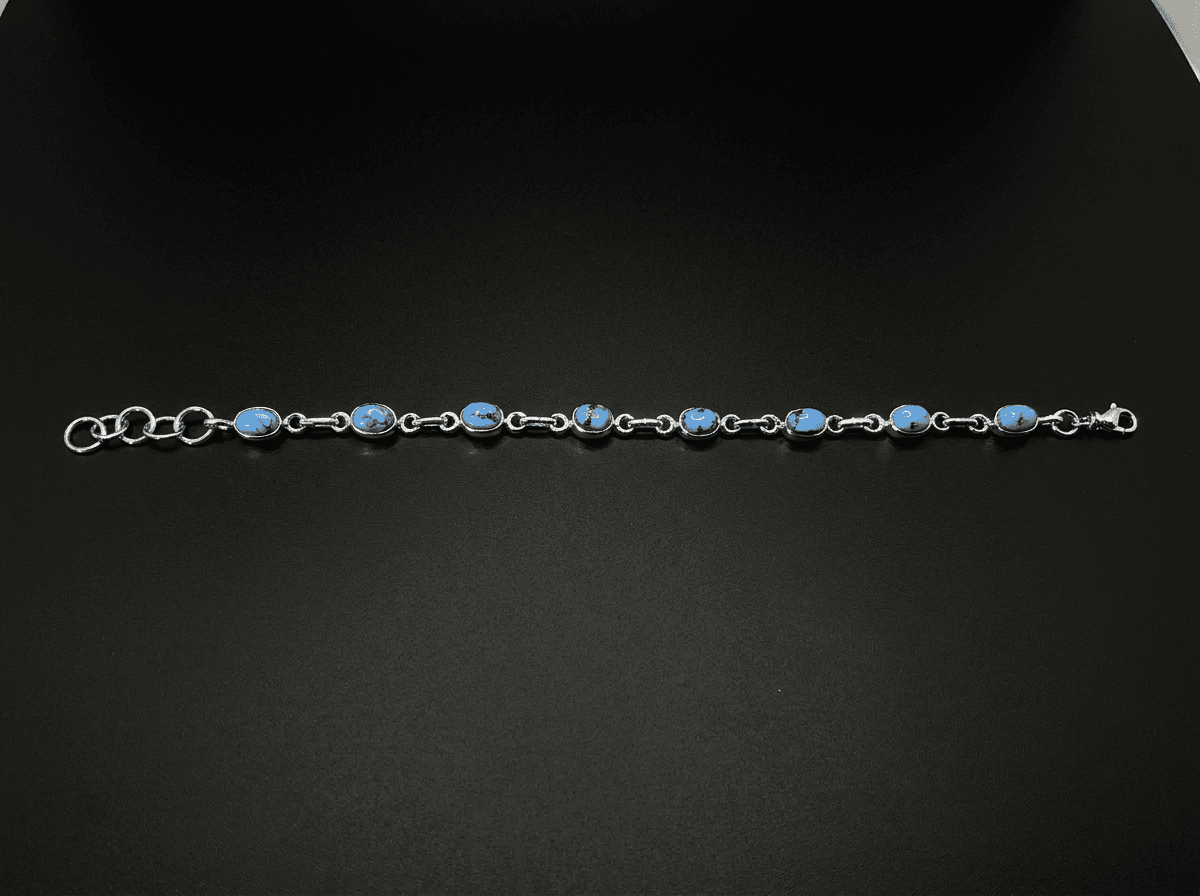
$650.00
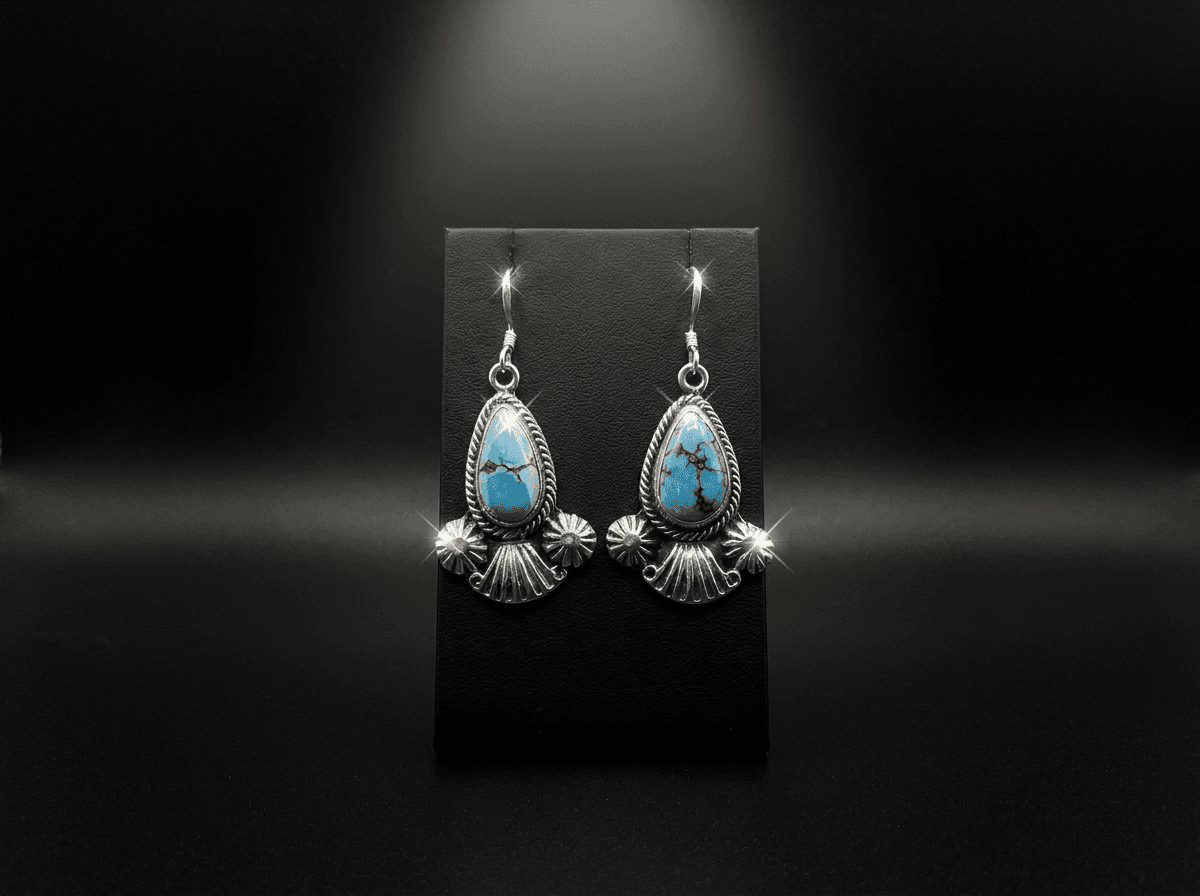
$305.00
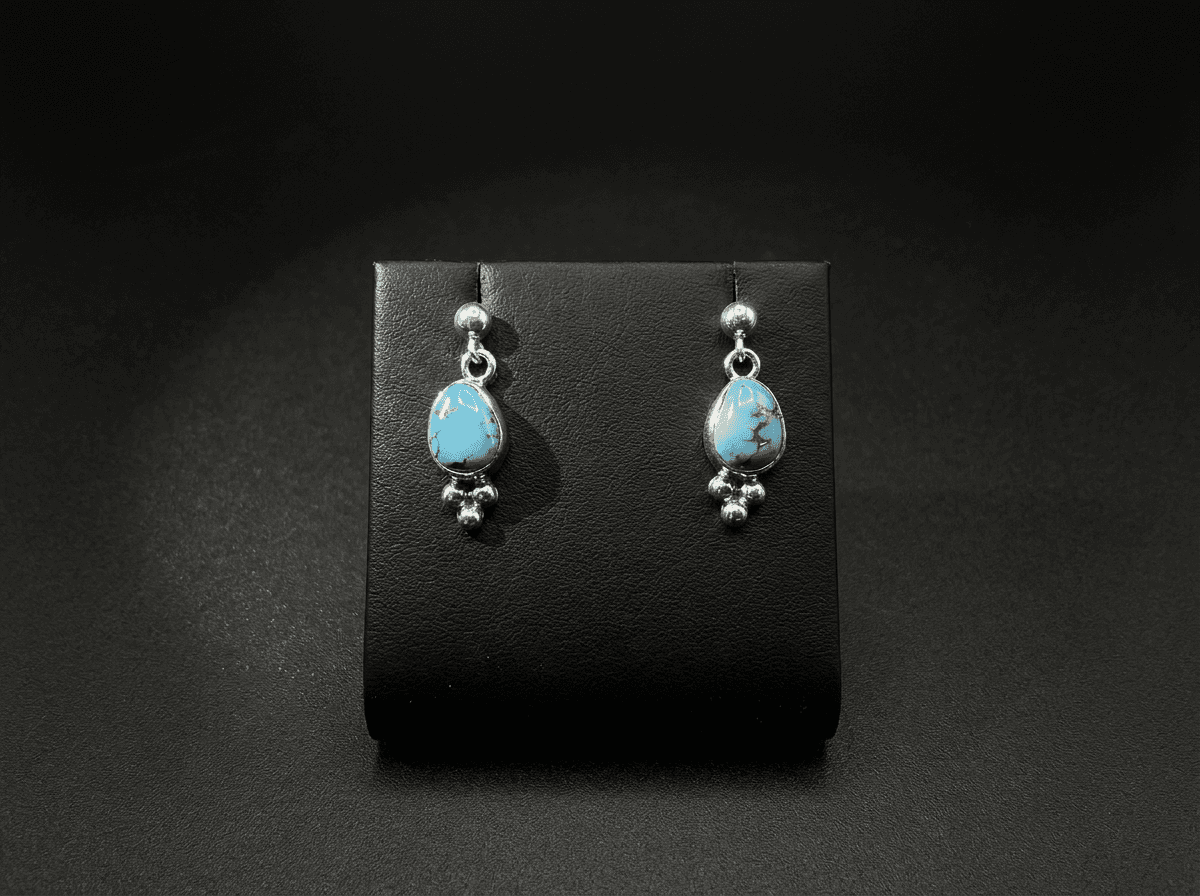
$255.00

$285.00

$315.00

$315.00