Learn about White Buffalo in Native American–made and Southwestern-style jewelry: its history, geology, and care.
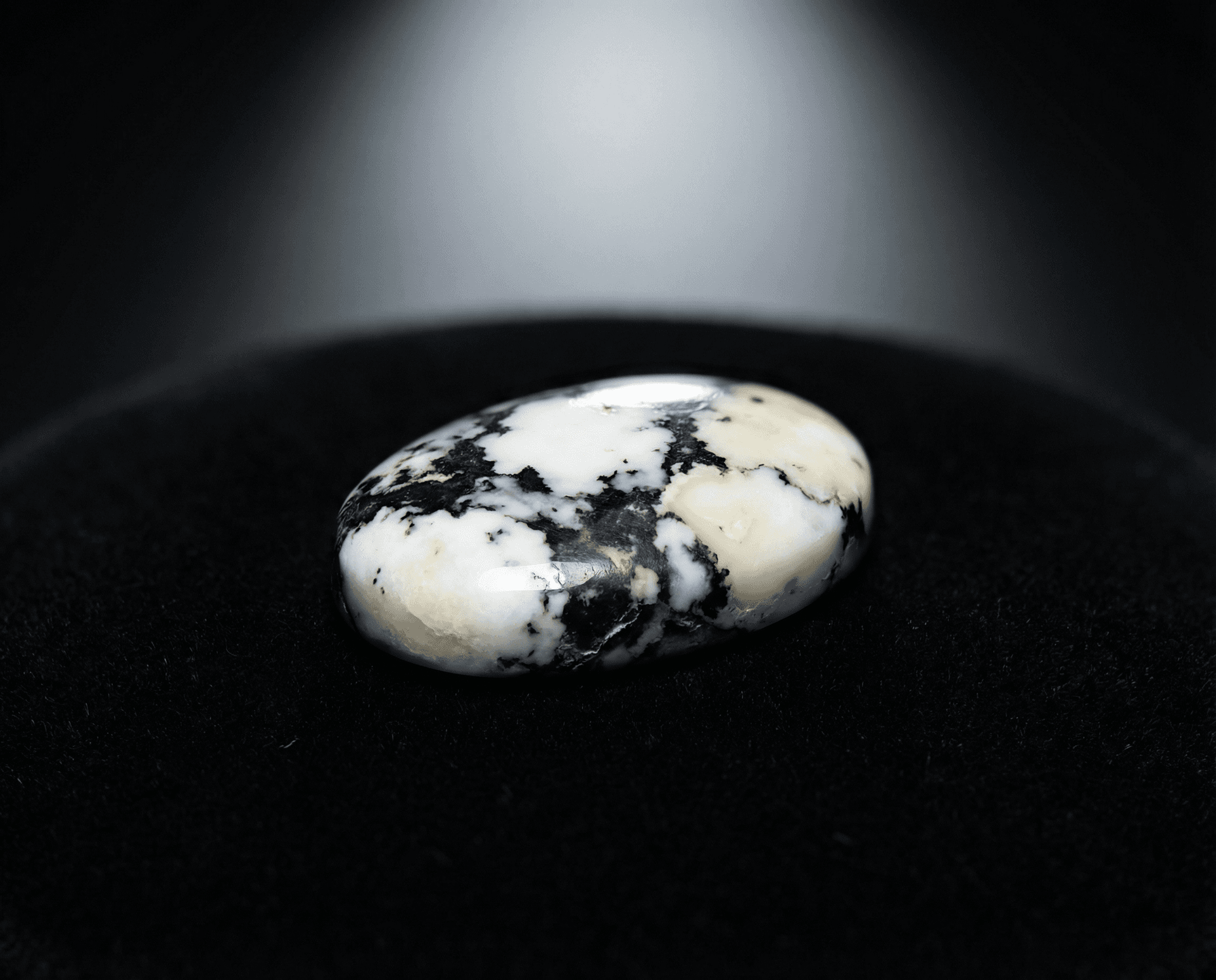
This collection includes Native American–made and Southwestern-style pieces; each piece's own page states its origin where it is known.
HistoryWhite Buffalo comes from a family-operated mine in the Tonopah area of central Nevada, worked by the Otteson family, who also gave it its name. Its crisp white-and-black contrast offered Southwestern jewelers a bold alternative to blue turquoise, and it quickly became popular in contemporary designs.
The name evokes the sacred white buffalo of Plains traditions, lending the stone added resonance for many wearers, even though the material itself is a Nevada find of recent popularity.
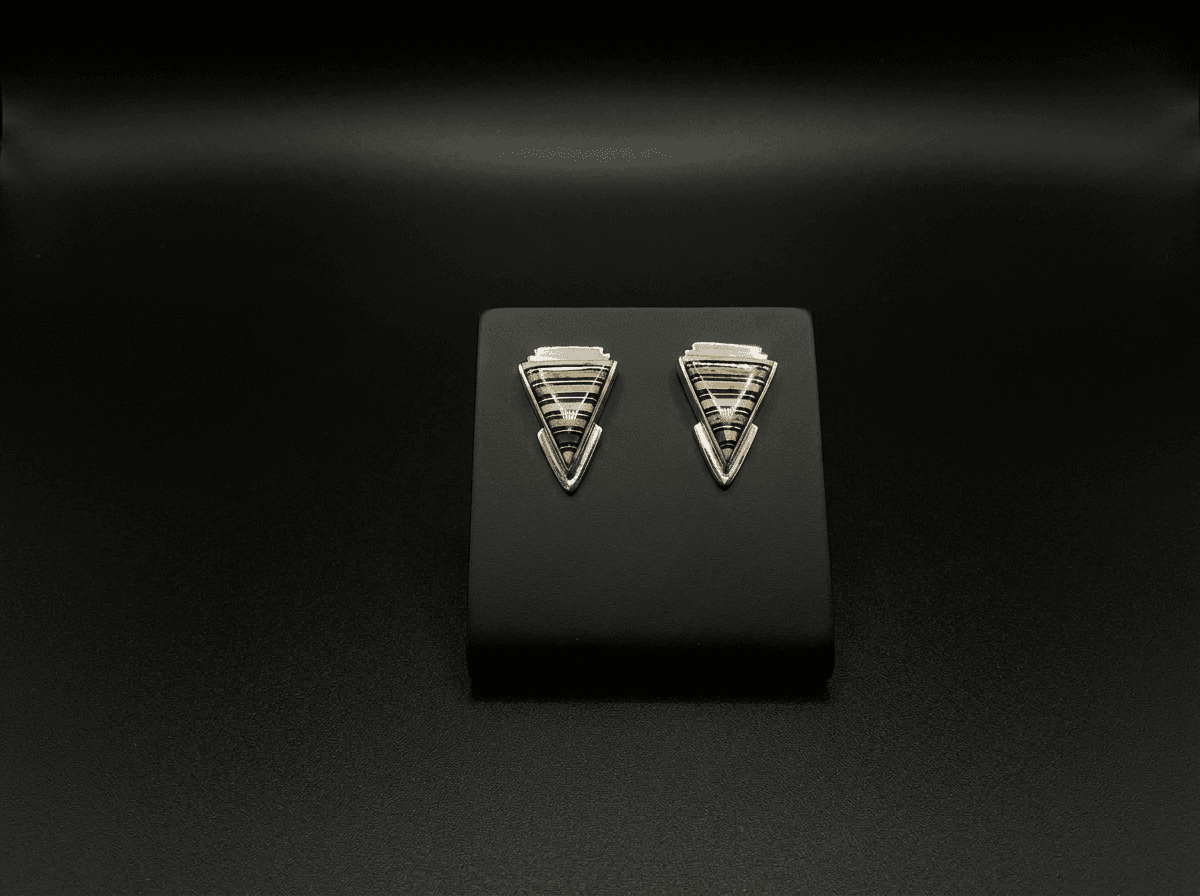
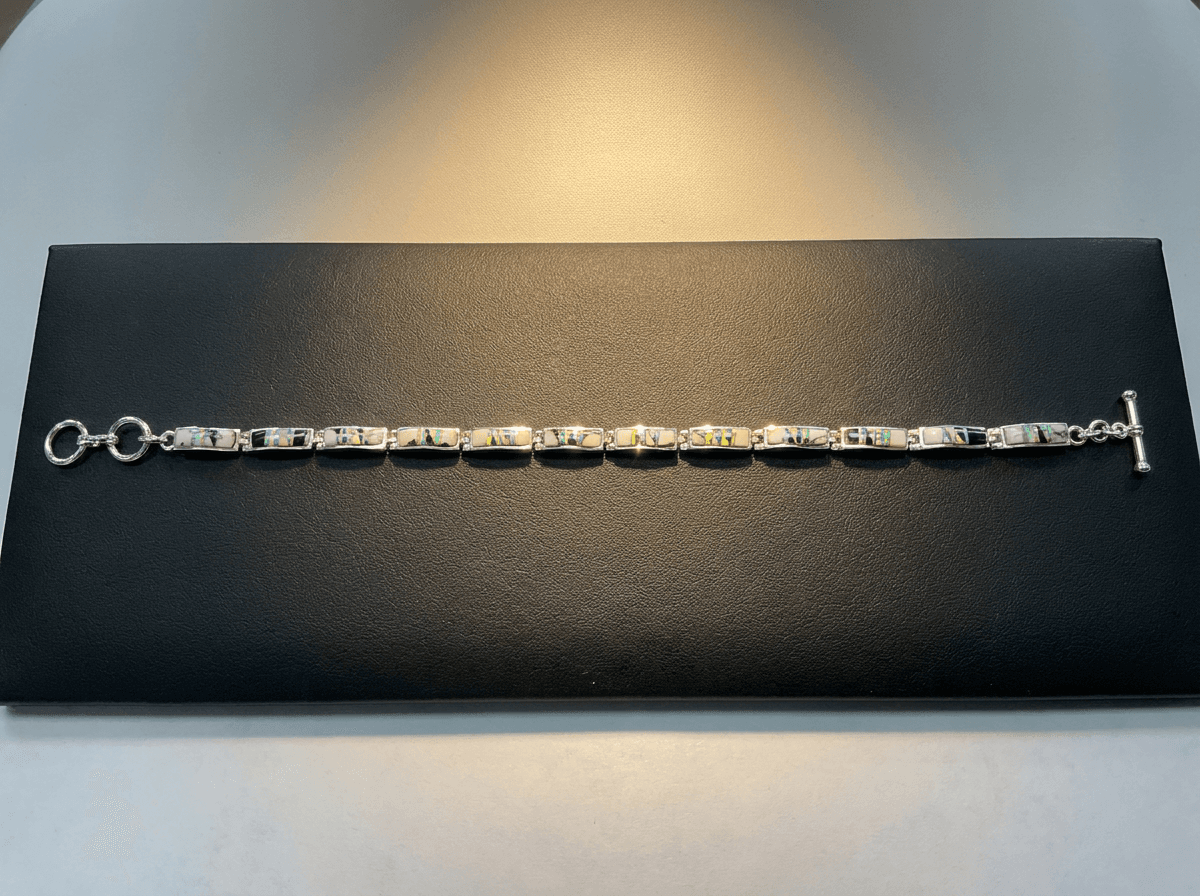
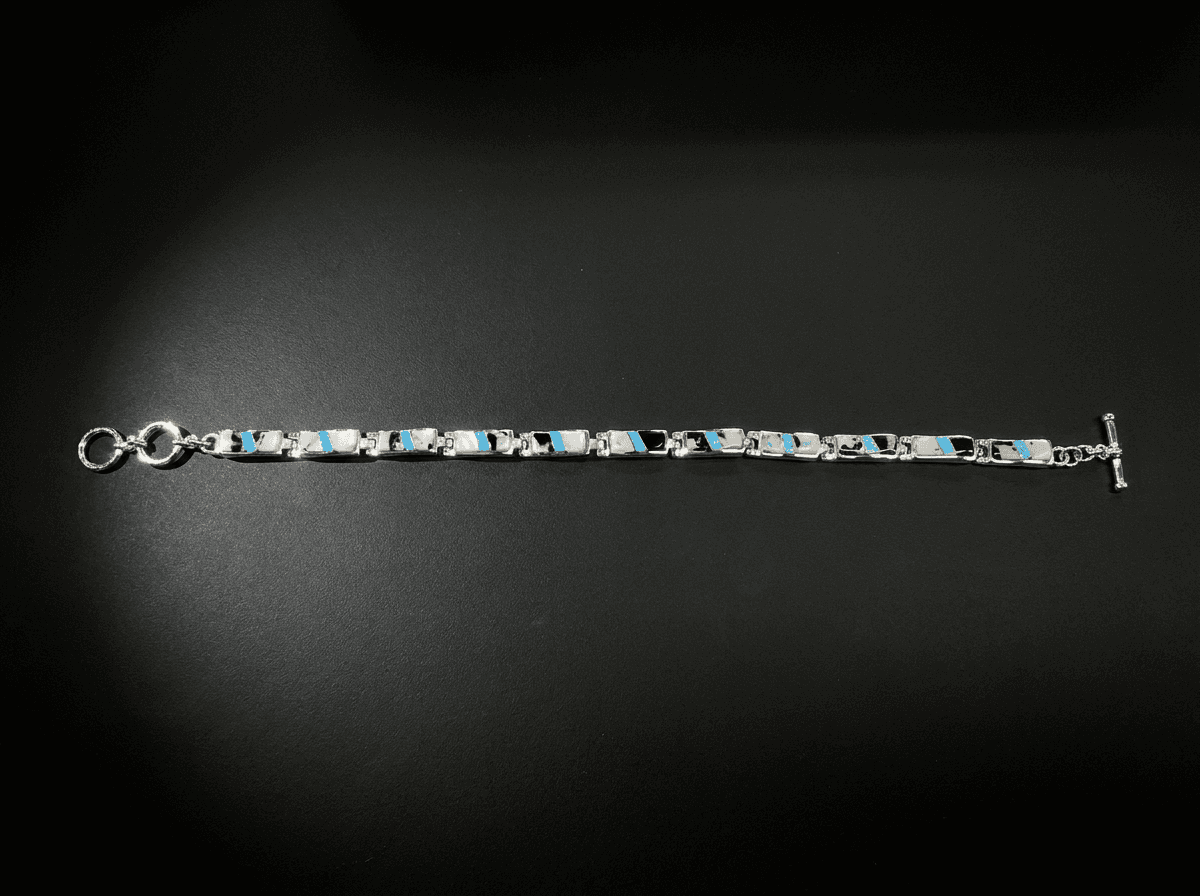
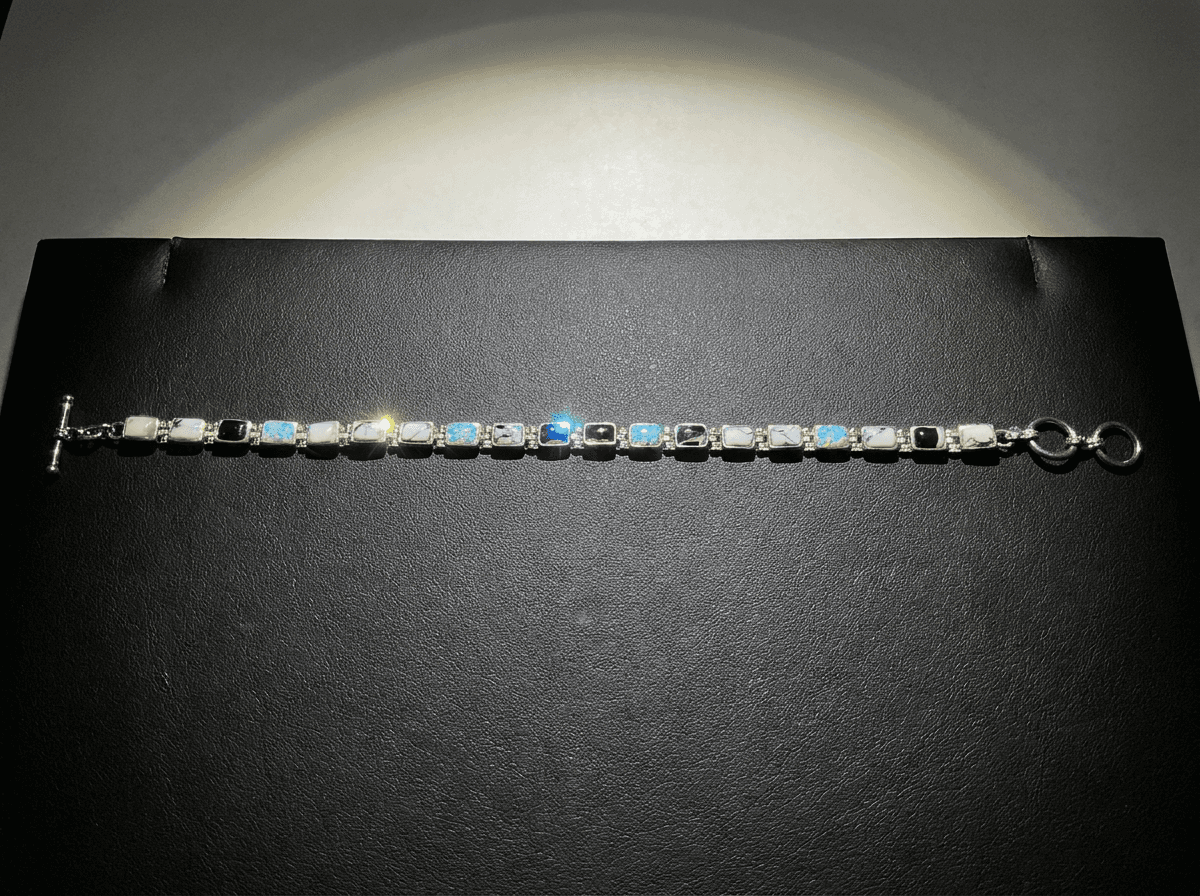
White Buffalo's graphic black-on-white pattern suits modern Navajo and Zuni work, from heavy cuffs to channel inlay, where it pairs cleanly with both bright and oxidized silver. Its neutral palette makes it versatile across traditional and contemporary styles.
Despite the trade name, White Buffalo contains little to no copper and is not true turquoise; it is a hard, white host stone veined with black chert or iron-rich matrix. That hardness lets it take a high polish, and the most prized pieces show clean, well-defined black webbing on a bright white field.
White Buffalo is harder than turquoise but still benefits from gentle care. Keep it away from harsh chemicals and abrasives, wipe it with a soft cloth, and store it separately to protect both the silver setting and the stone's polish.
This collection includes Native American–made and Southwestern-style pieces; each piece's own page states its origin where it is known.
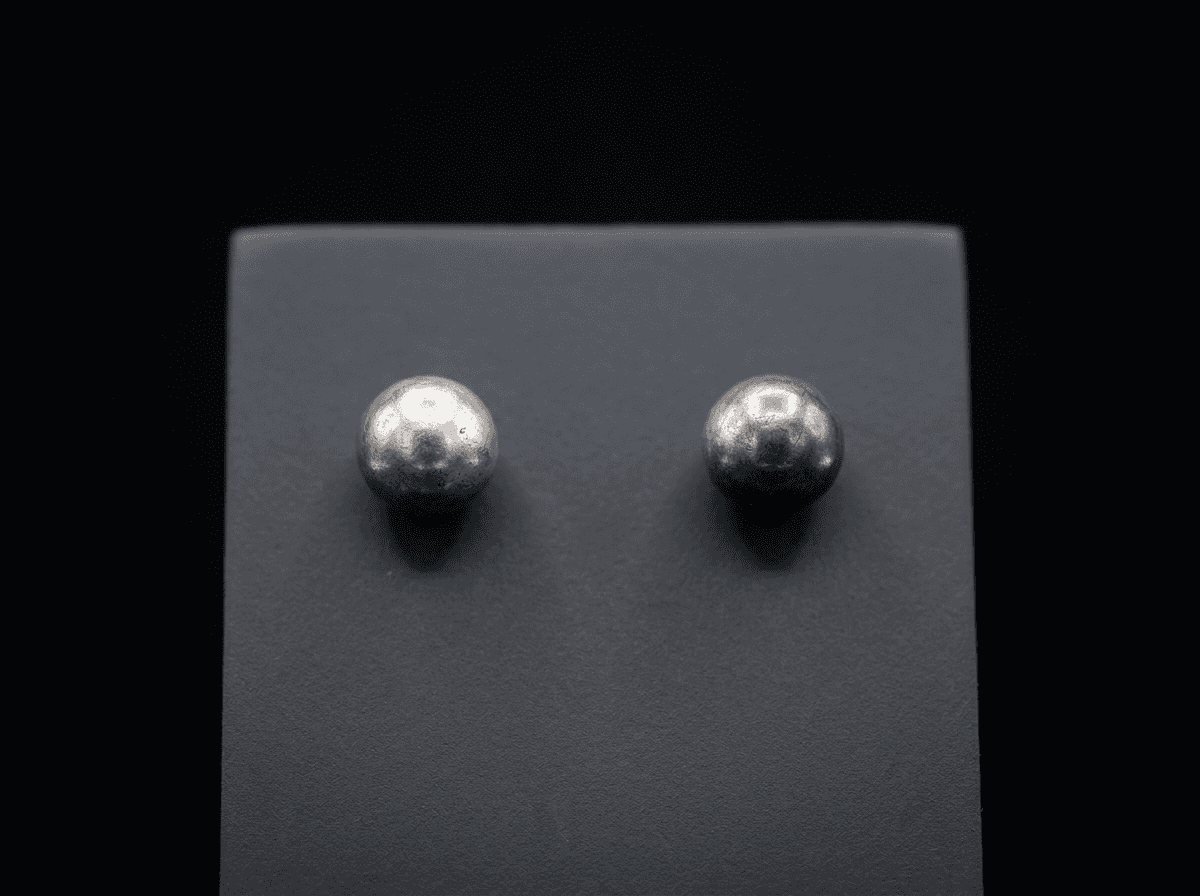
$99.00
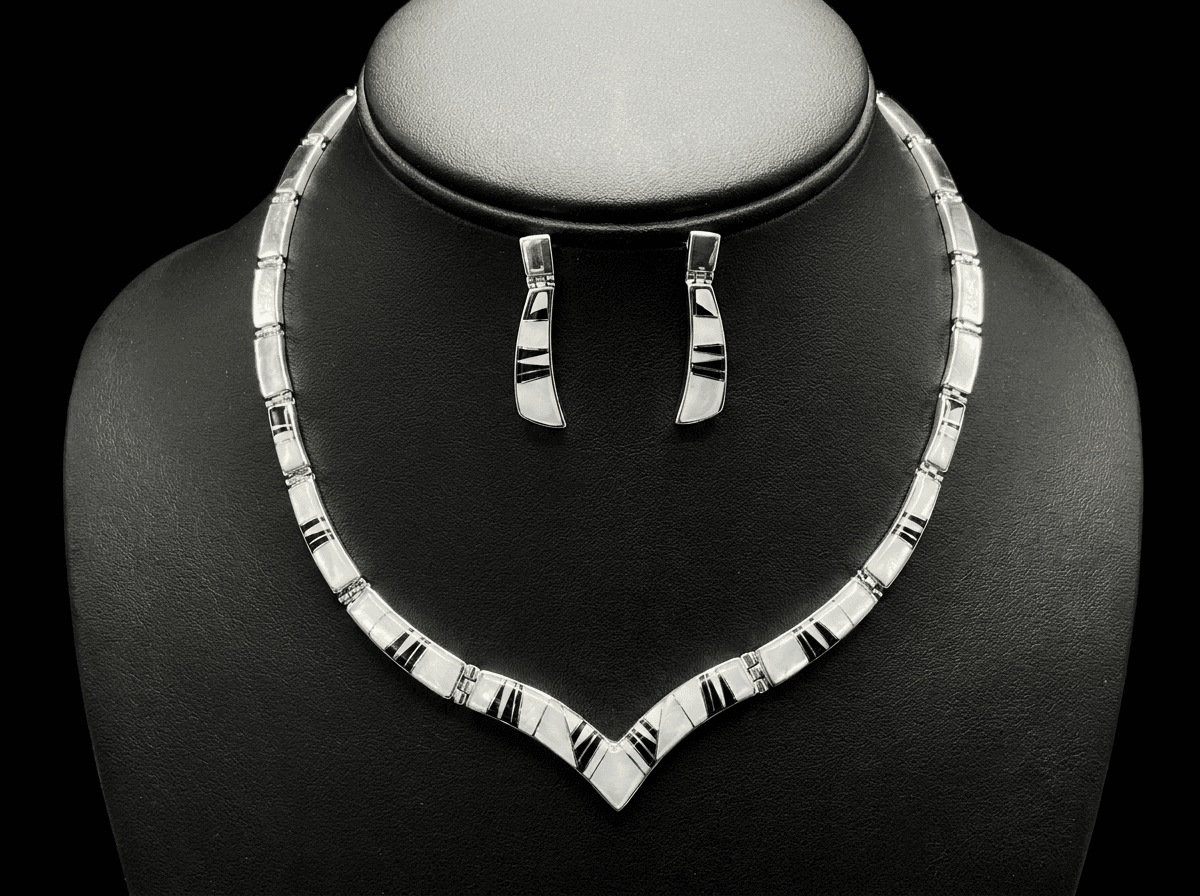
$3,500.00
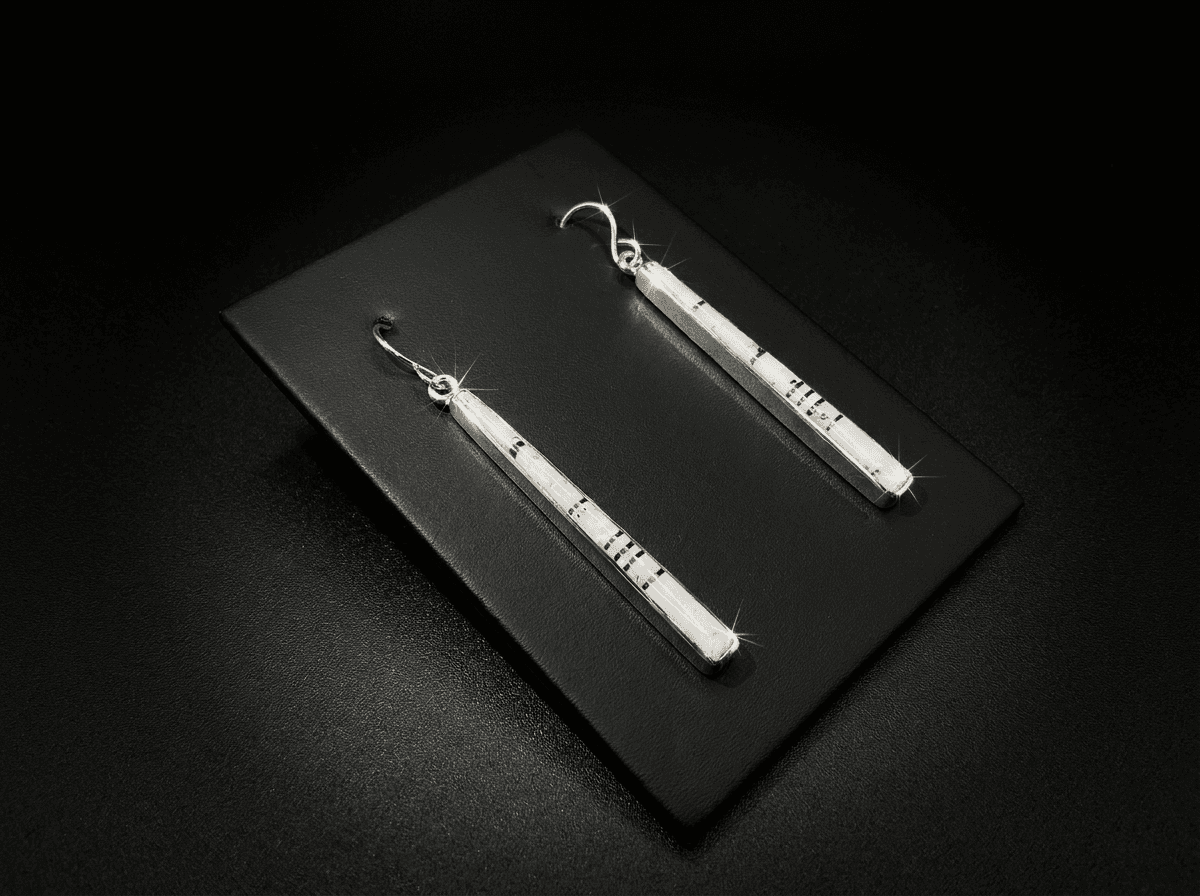
$455.00
$225.00
$459.00
$499.00
$389.00

$355.00