Morenci turquoise from southeastern Arizona is known for its bright, high-blue color and an unusual matrix of iron pyrite, which gives the stone a glittering, silvery web rather than the black or brown veining of other mines. The original source is closed, so Morenci is now scarce and collectible.
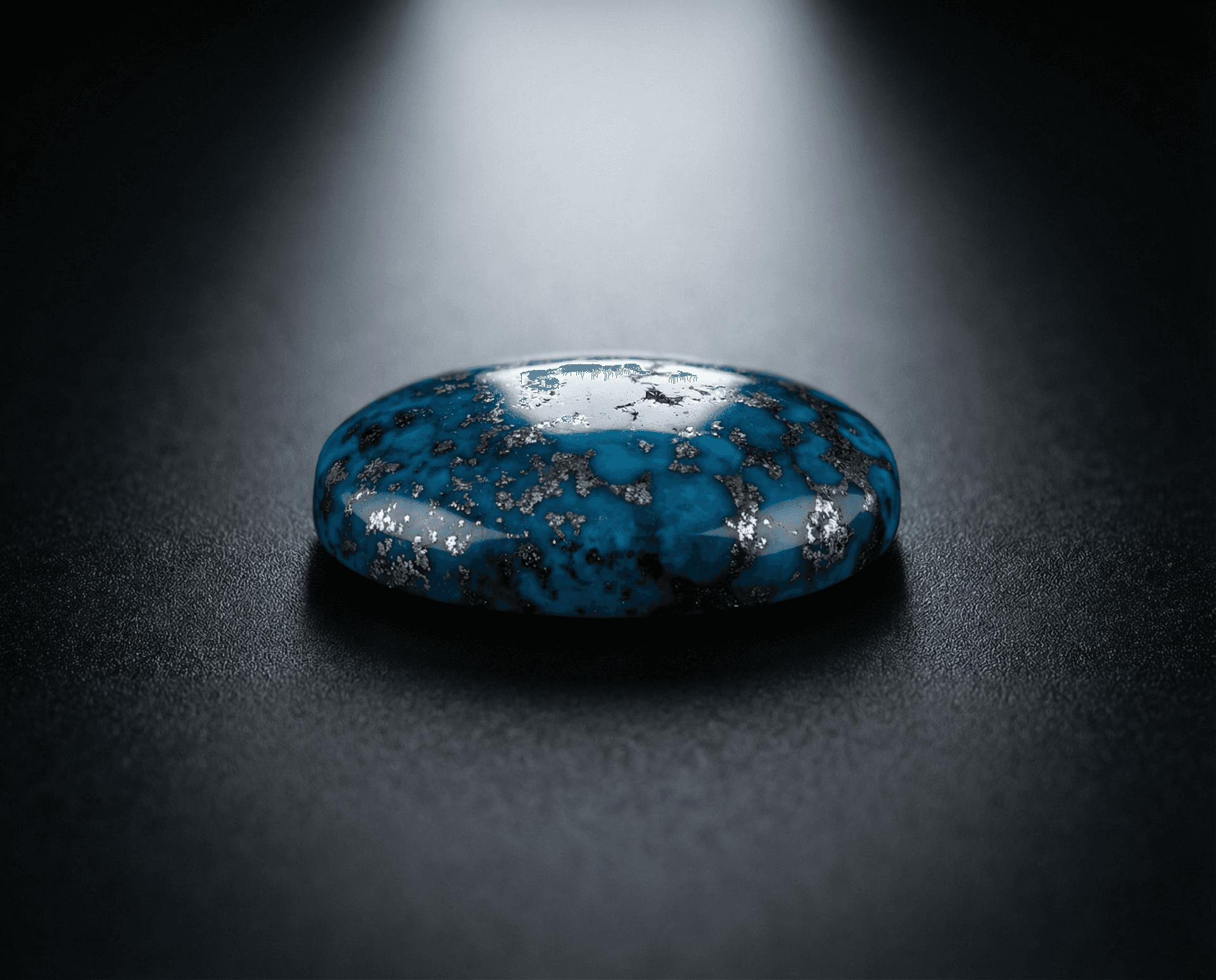
This collection includes Native American–made and Southwestern-style pieces; each piece's own page states its origin where it is known.
HistoryMorenci turquoise was recovered as a by-product of one of Arizona's great copper operations, near the town of Morenci in Greenlee County. Through the middle of the twentieth century it was widely used by Navajo and Zuni silversmiths, who prized its vivid blue and distinctive sparkle.
As the copper mine expanded, the turquoise source was lost, and authentic Morenci became a stone collectors actively seek in vintage pieces.
Morenci's clear blue and pyrite flash made it a favorite for cluster work and inlay, where its brightness stands out against silver. It appears throughout mid-century Navajo and Zuni jewelry now valued as old pawn.
It carries the protective significance shared by all Southwestern turquoise.
Morenci's signature is a clean, high-blue stone shot through with pyrite — natural "fool's gold" — that forms a sparkling, silver-toned matrix unlike any other mine. Because much Morenci was found in thin seams, cabochons were often backed for strength.
Even color and bright pyrite webbing mark the most desirable material.
Protect Morenci turquoise from water, perfume, lotion, sunscreen, and chemicals, remove it before swimming or bathing, and store it separately. Wipe clean with a soft, dry cloth.
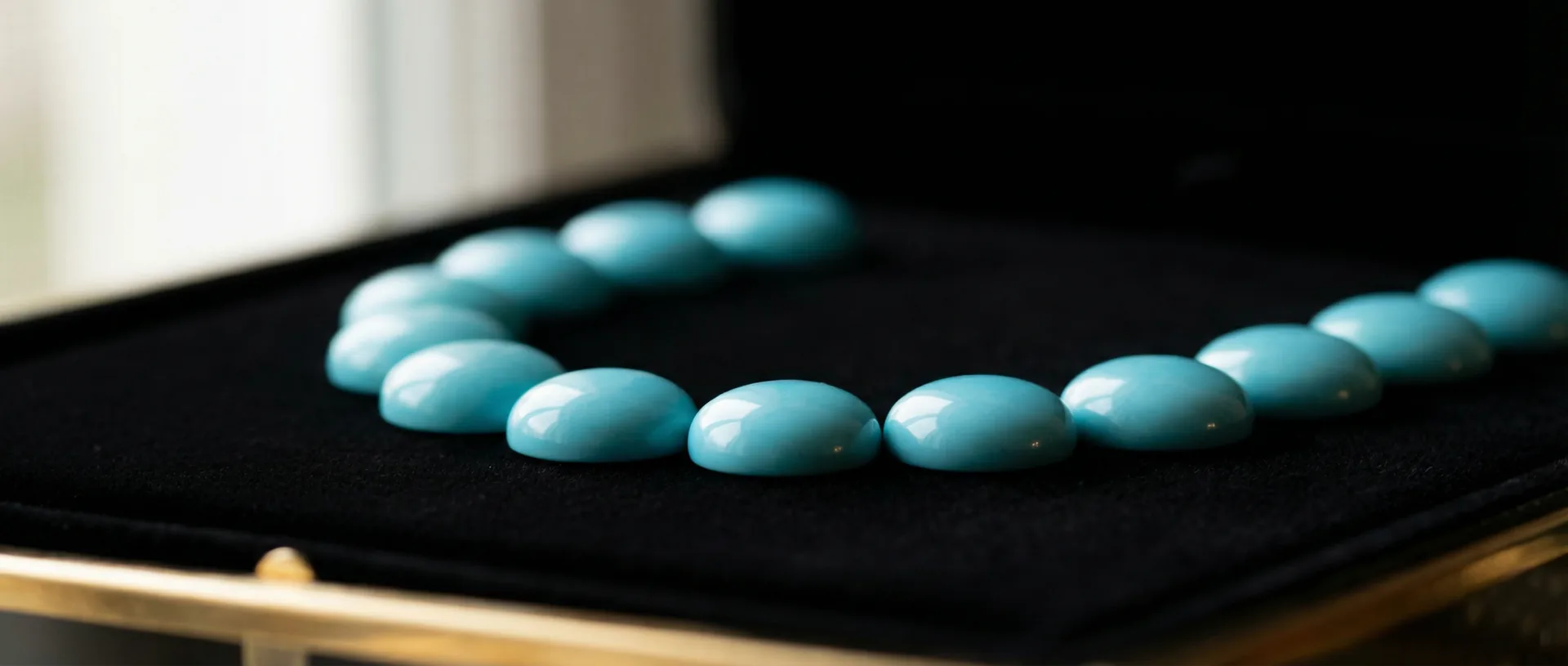
From its discovery in the copper-rich hills near Globe, Arizona in the 1920s to the mine's permanent closure in 2012, Sleeping Beauty turquoise has undergone a transformation from abundant commercial stone to one of the most coveted minerals in the gemological world, with no new material produced since the final extraction.
Read Article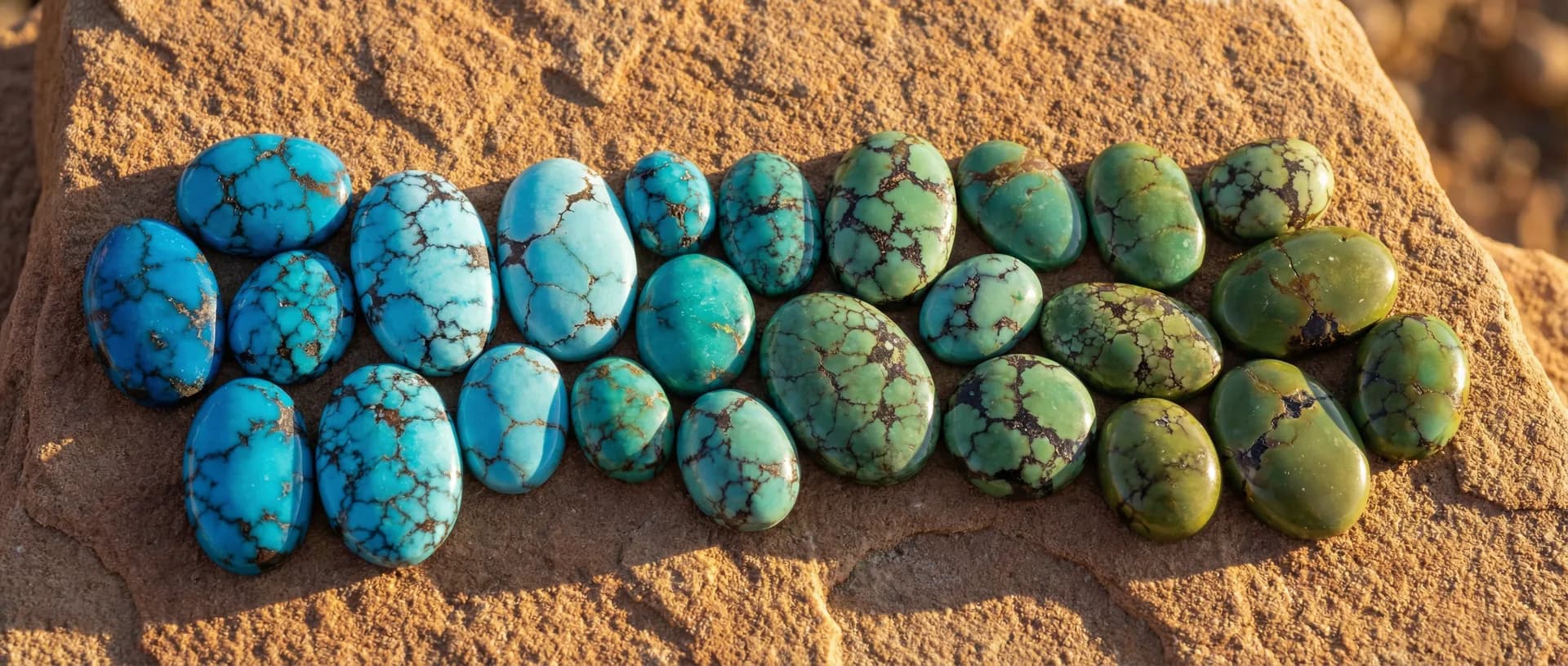
The Kingman mine in Mohave County, Arizona has operated continuously since the late nineteenth century, producing turquoise in a remarkable color range from sky blue to deep blue-green, with its spider-web matrix specimens ranking among the most valued turquoise in the world.
Read ArticleThis collection includes Native American–made and Southwestern-style pieces; each piece's own page states its origin where it is known.
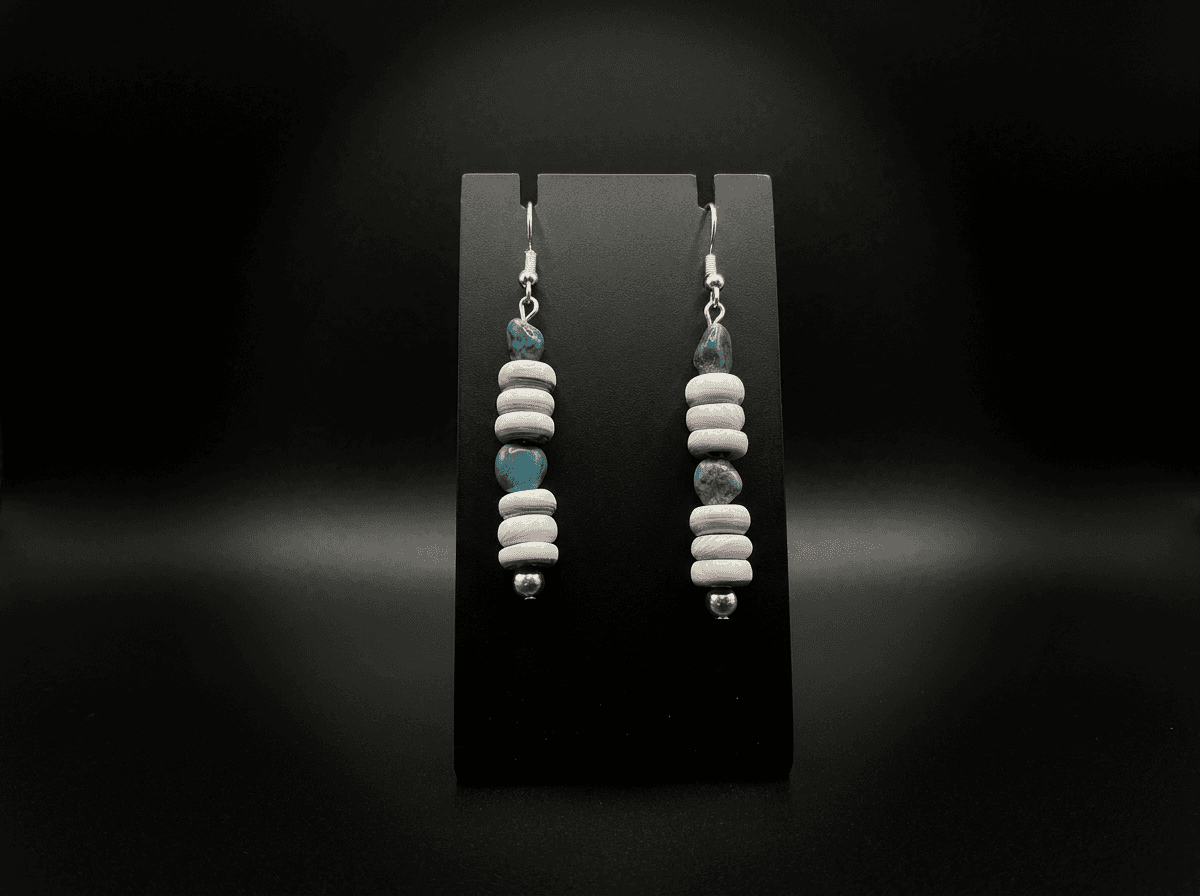
$185.00

$255.00

$265.00

$265.00

$255.00

$265.00

$2,235.00